Corals & Invertebrates: Reef Tank Care Guides

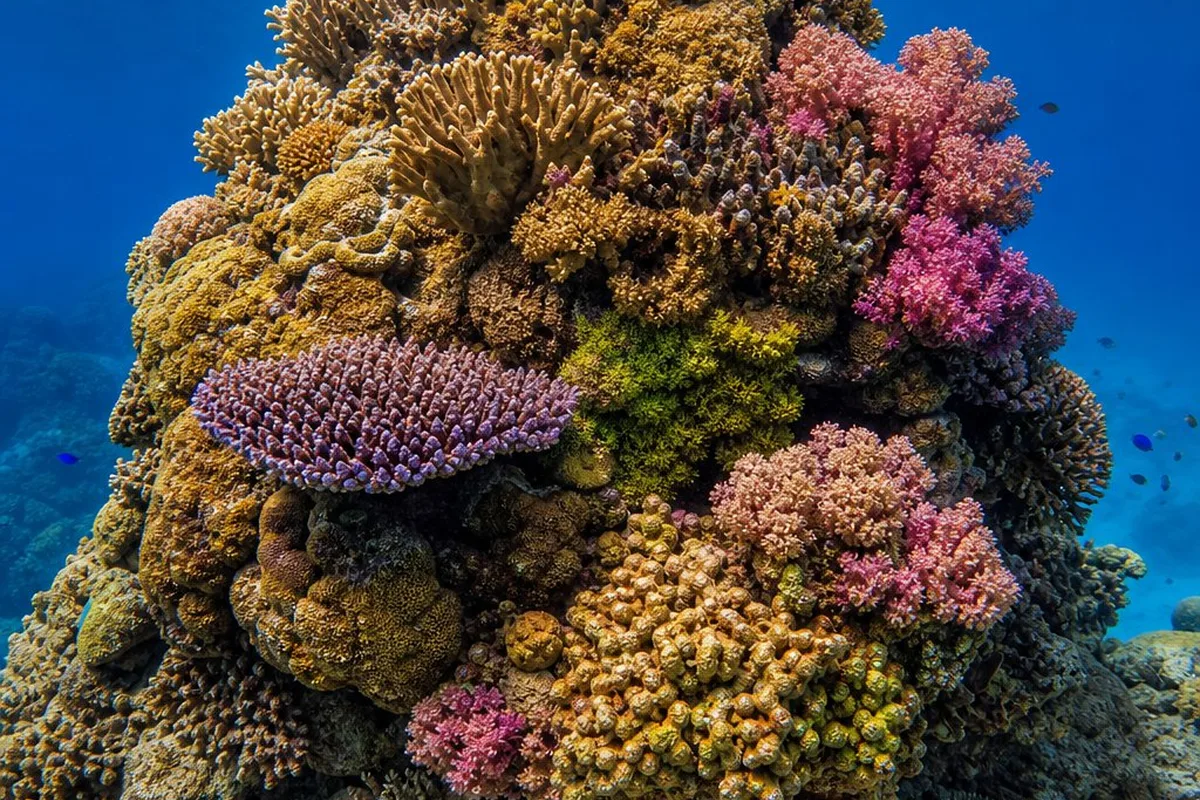
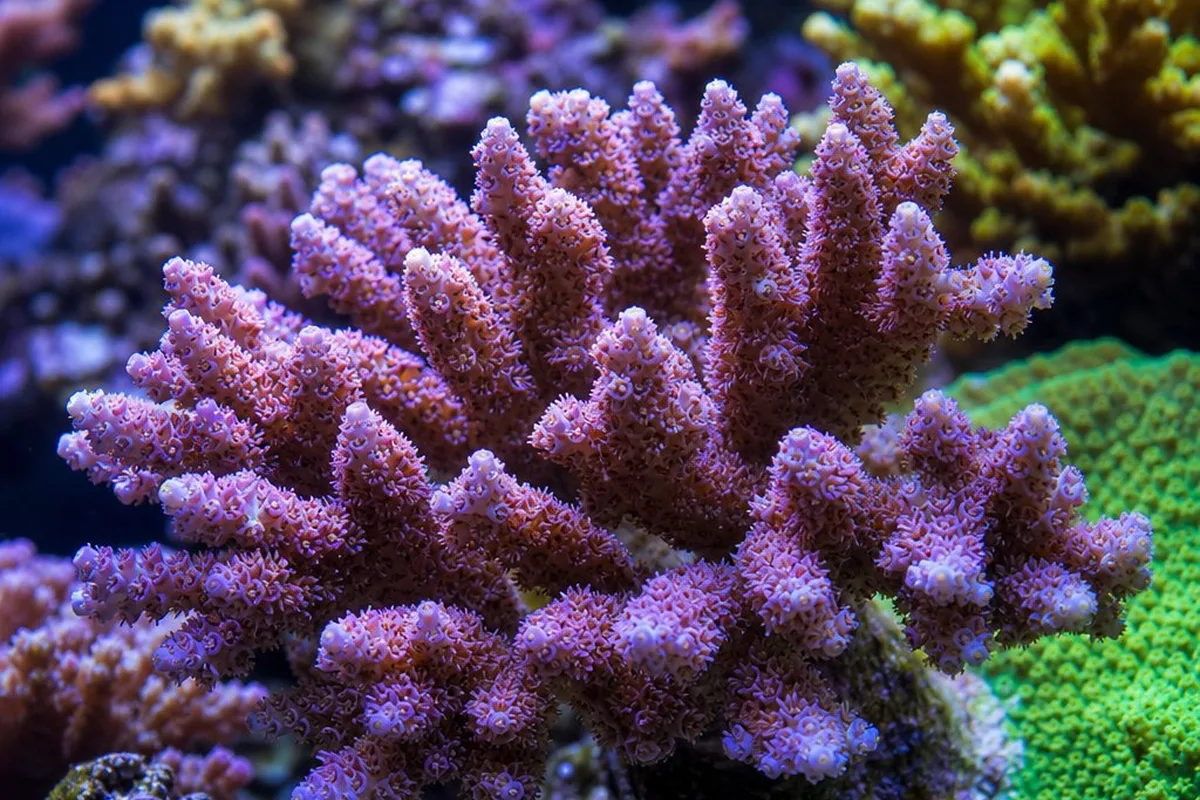
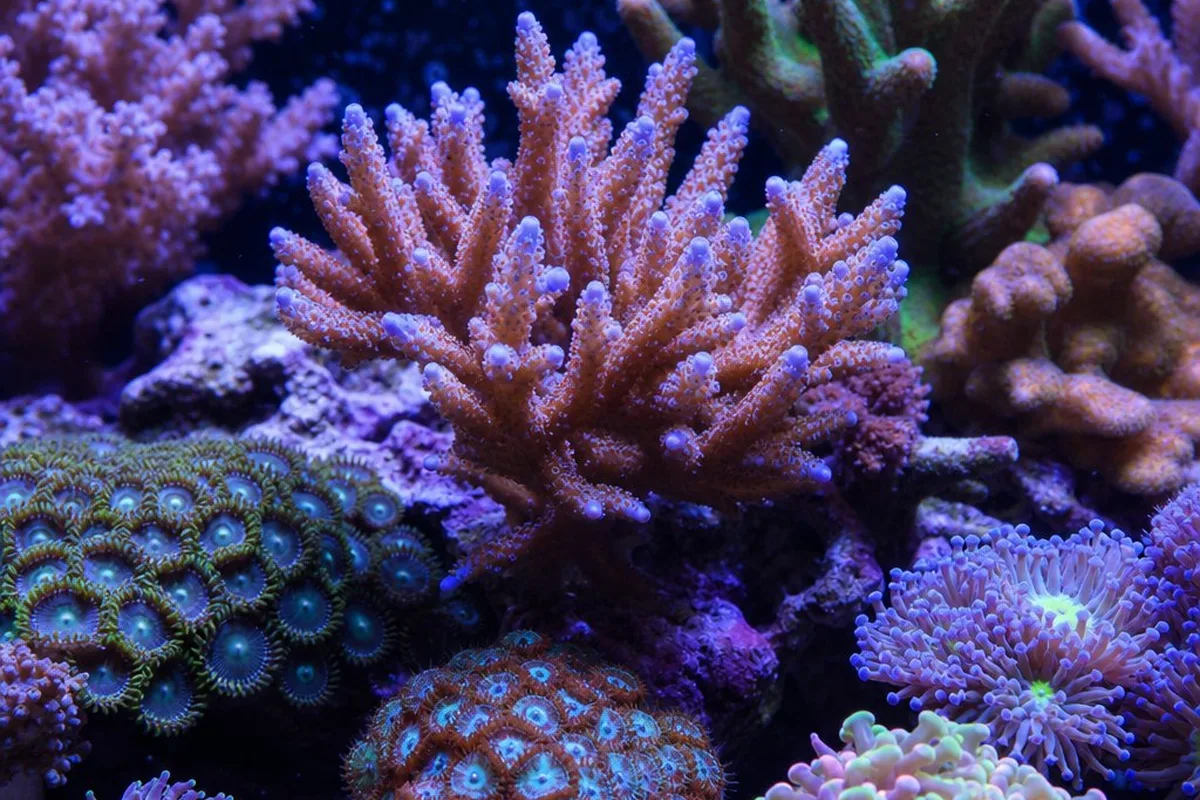
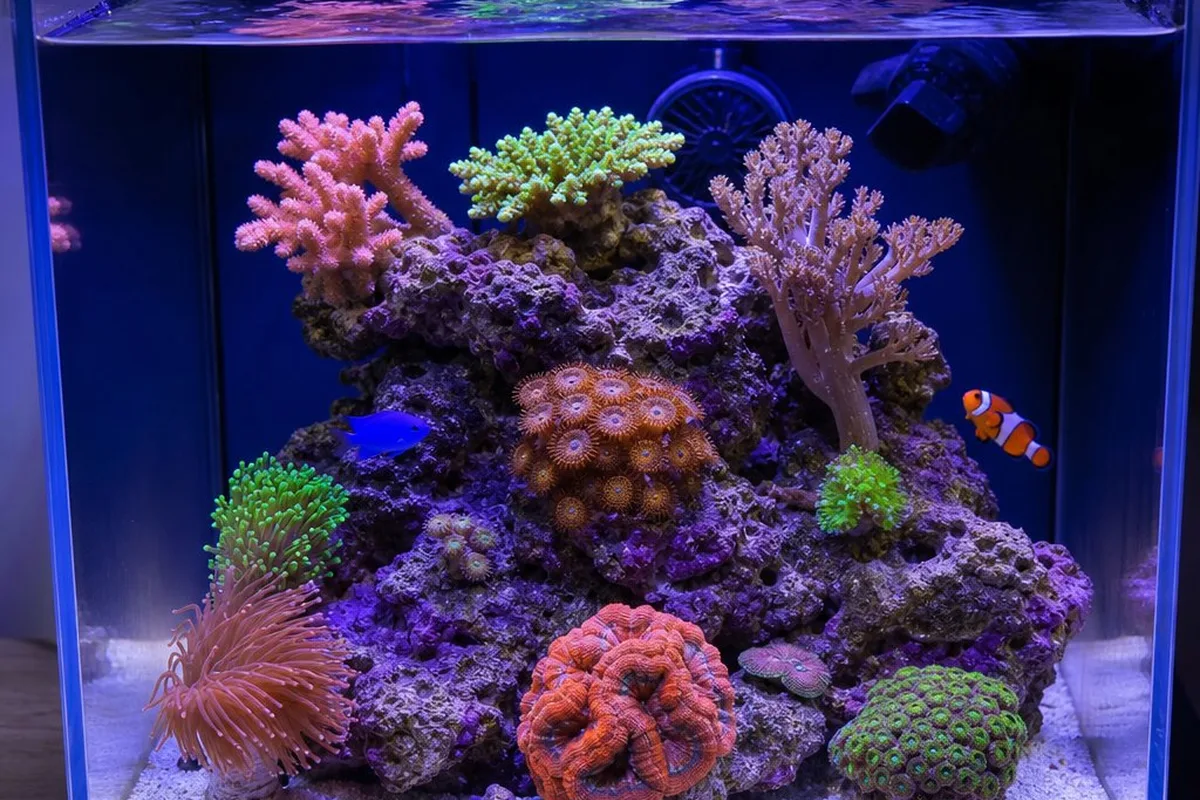
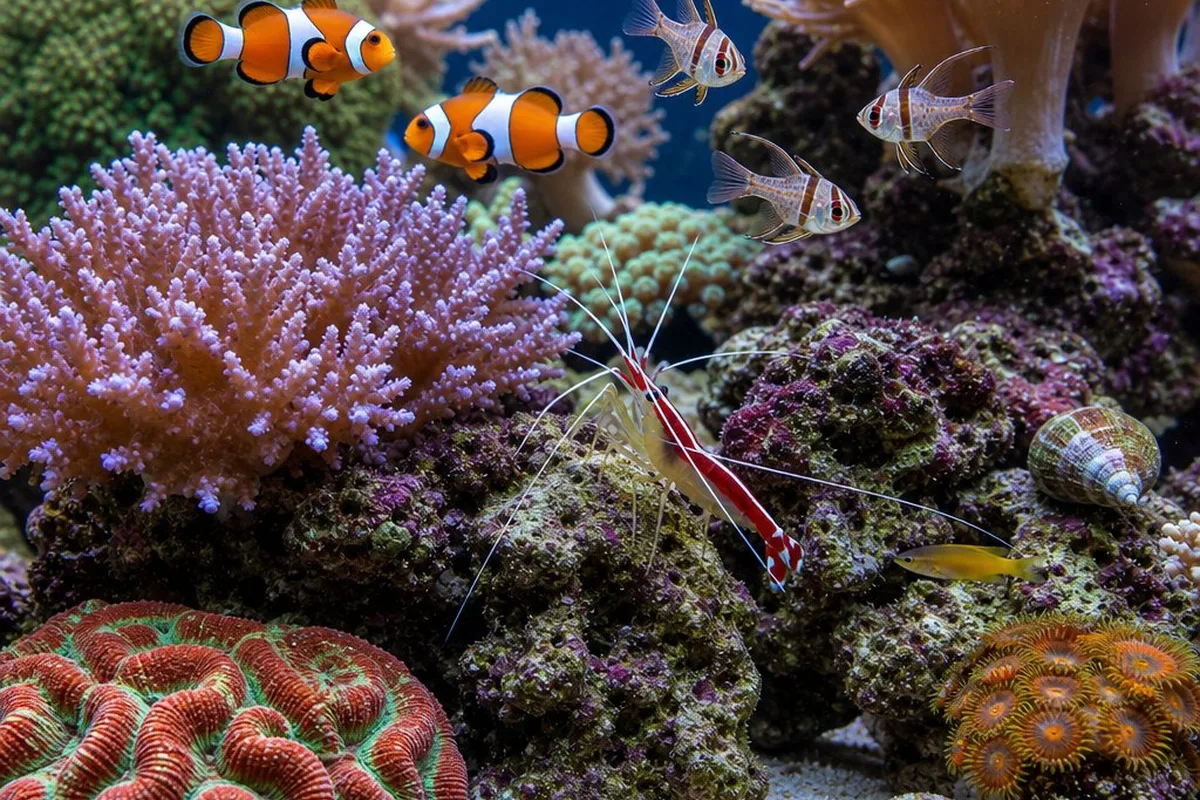
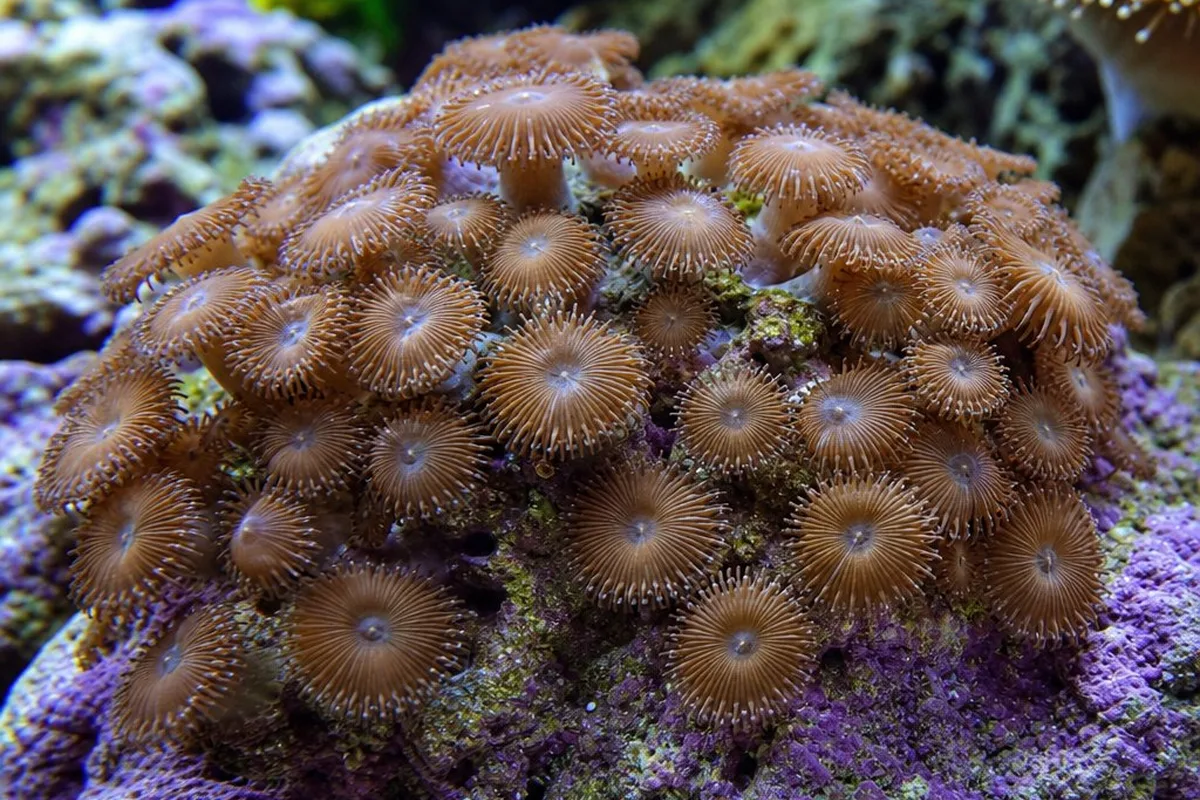
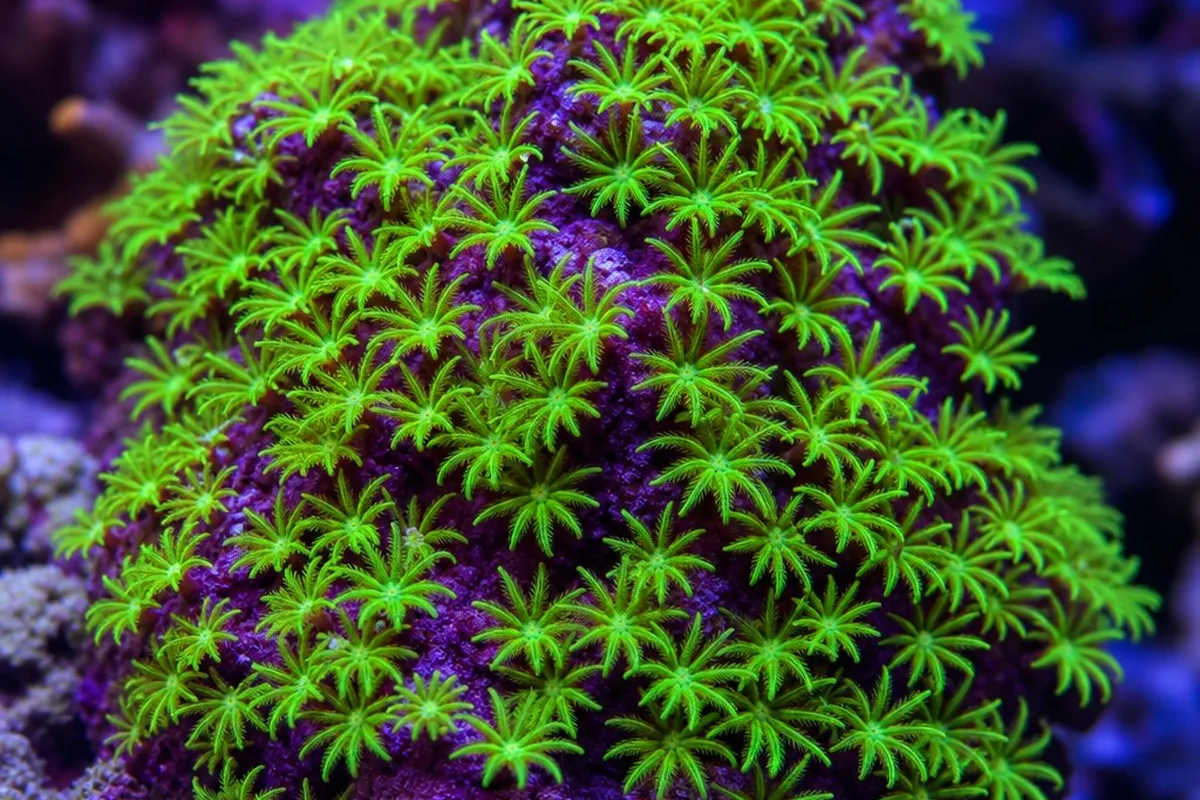
A reef tank is as much about its invertebrates as its fish — cleanup crew species, corals, anemones, and the occasional hitchhiker that arrives on live rock. This section covers what's actually reef-safe, how to tell a beneficial hitchhiker from a problem, and practical care for the corals and invertebrates that make up a reef tank's ecosystem.

Reef Tanks Run on More Than Fish

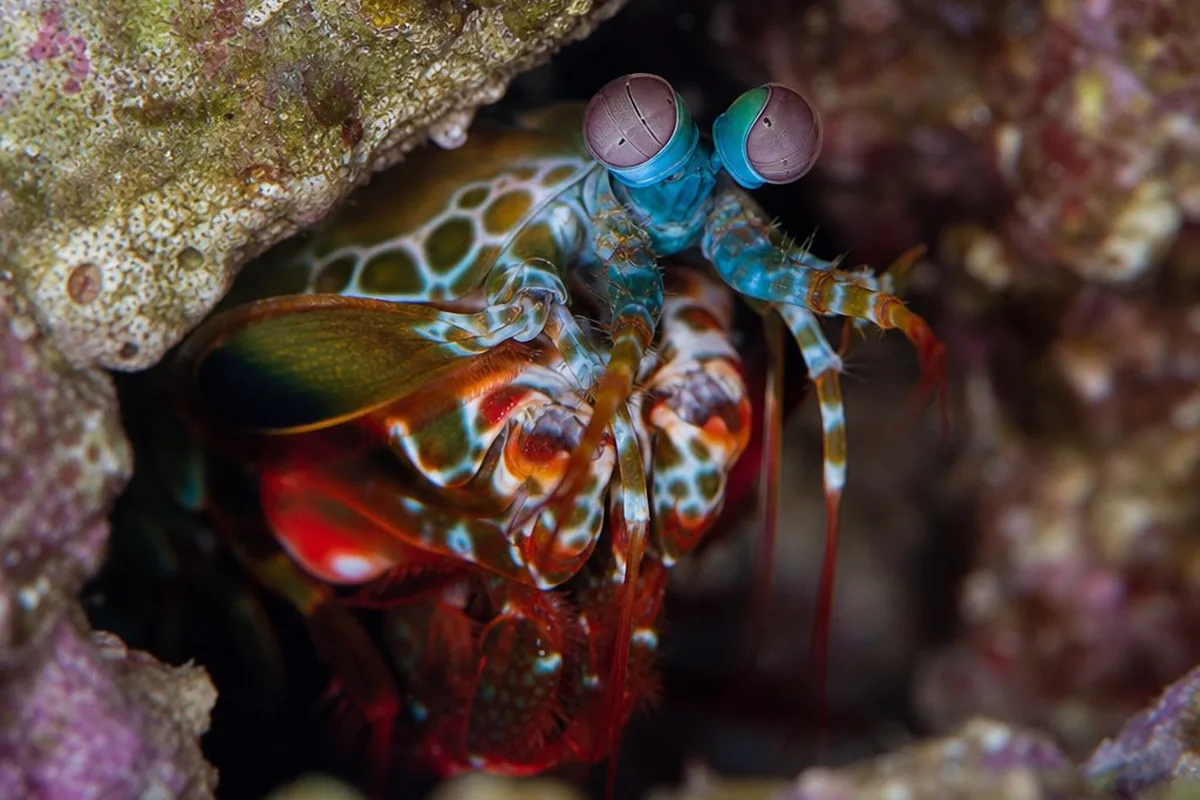
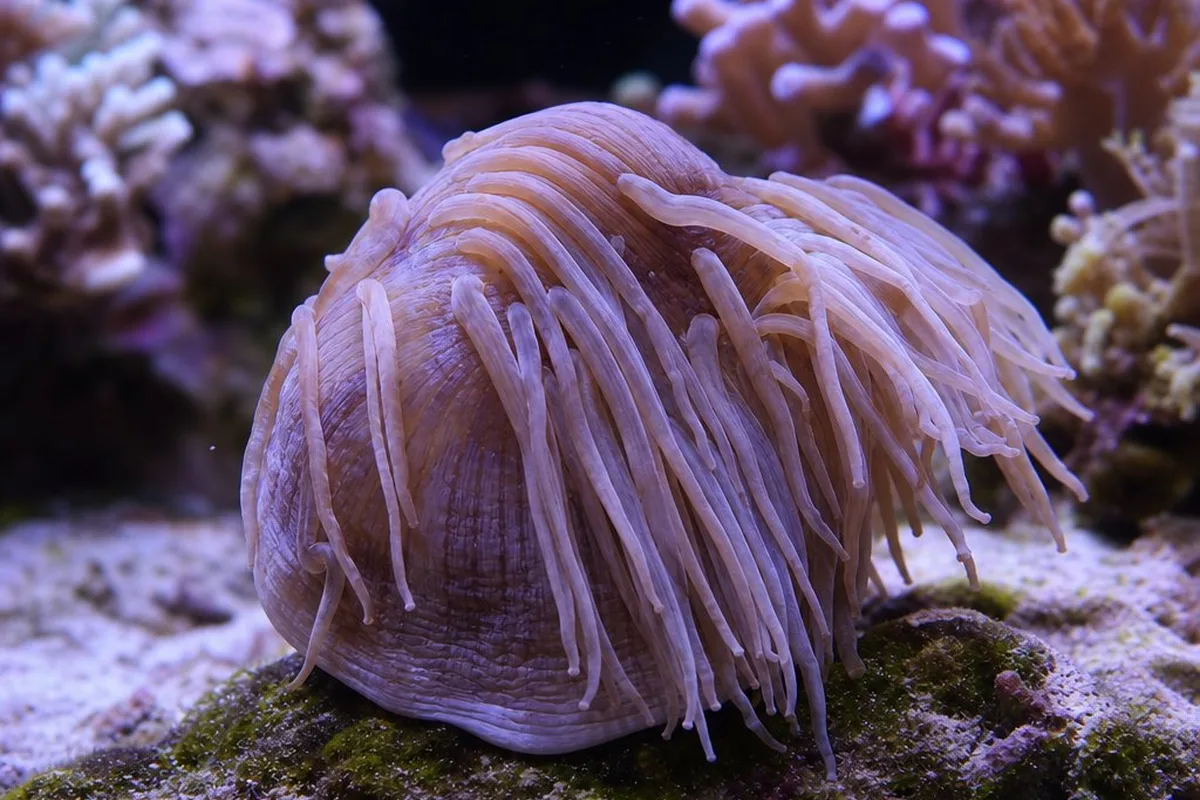
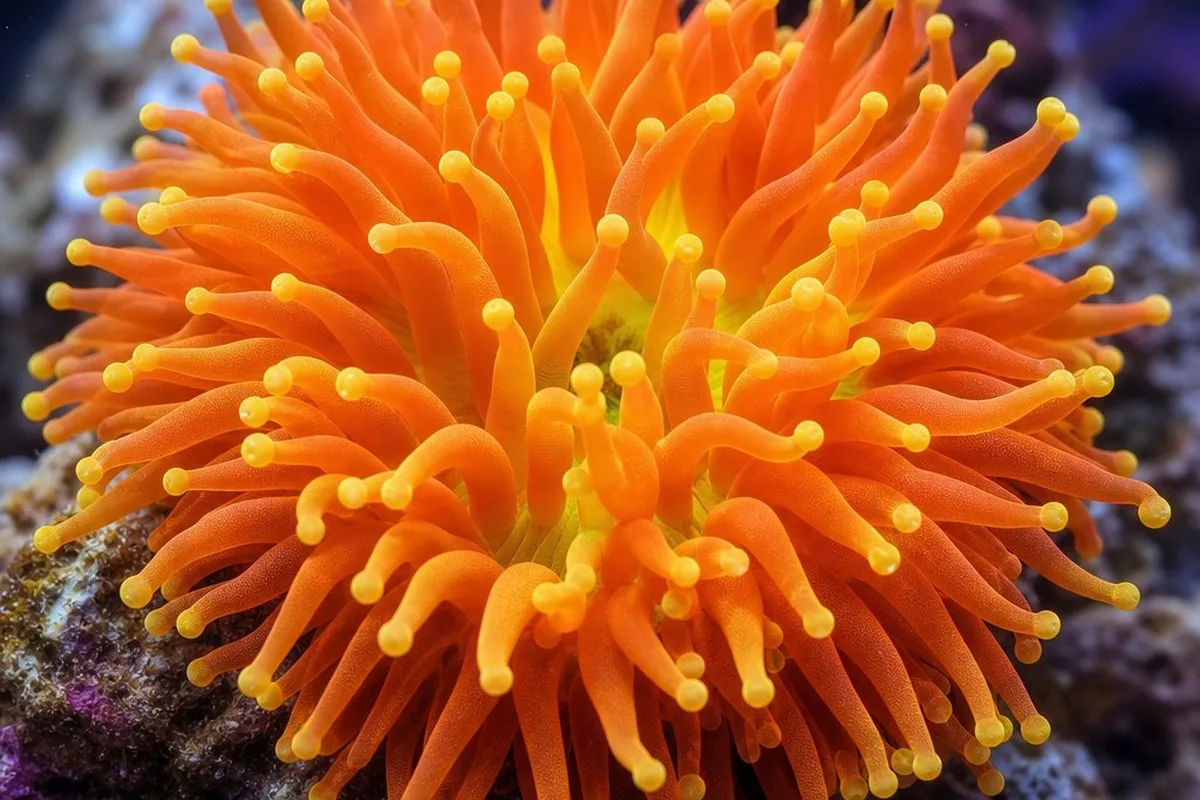
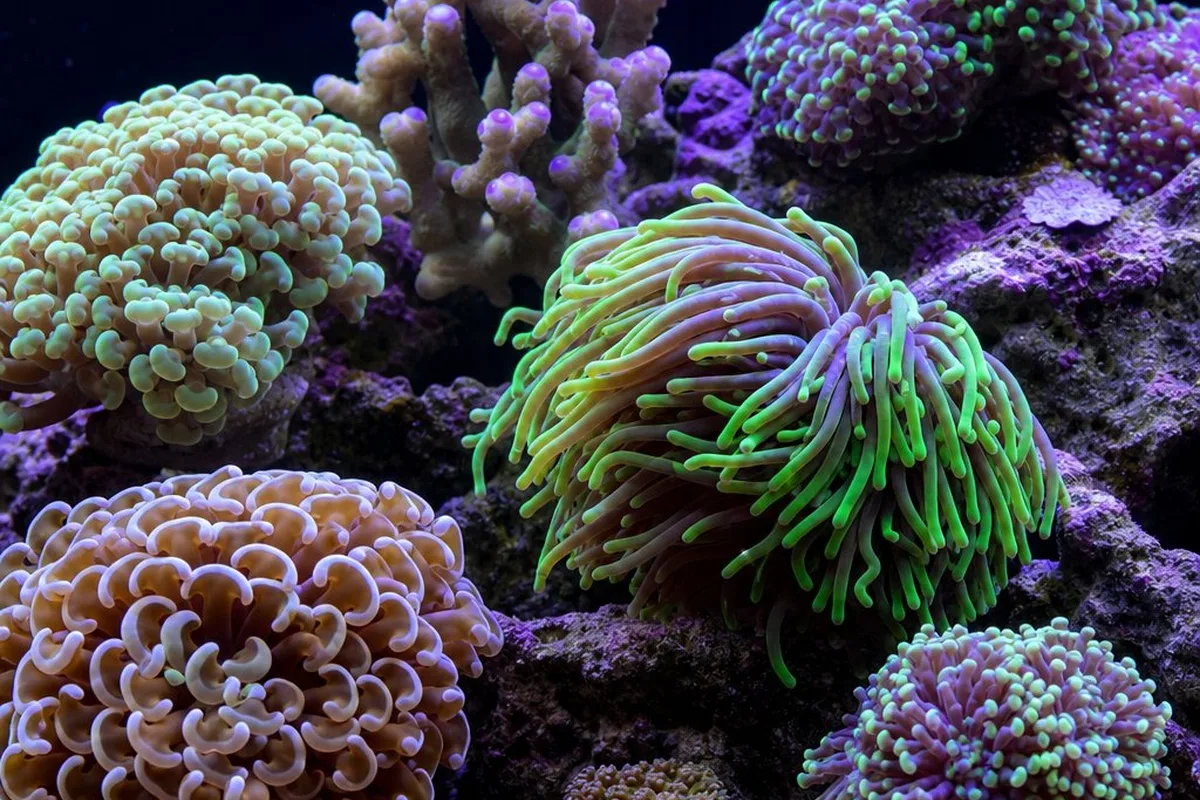
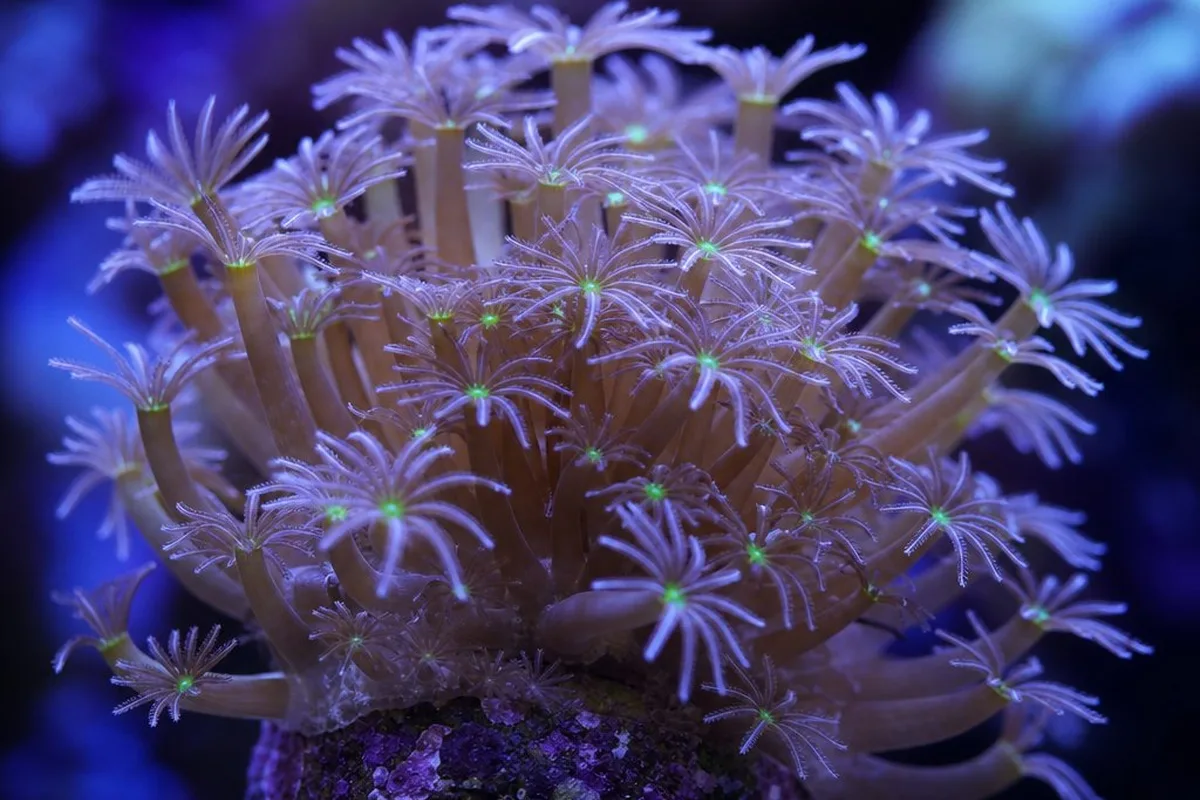
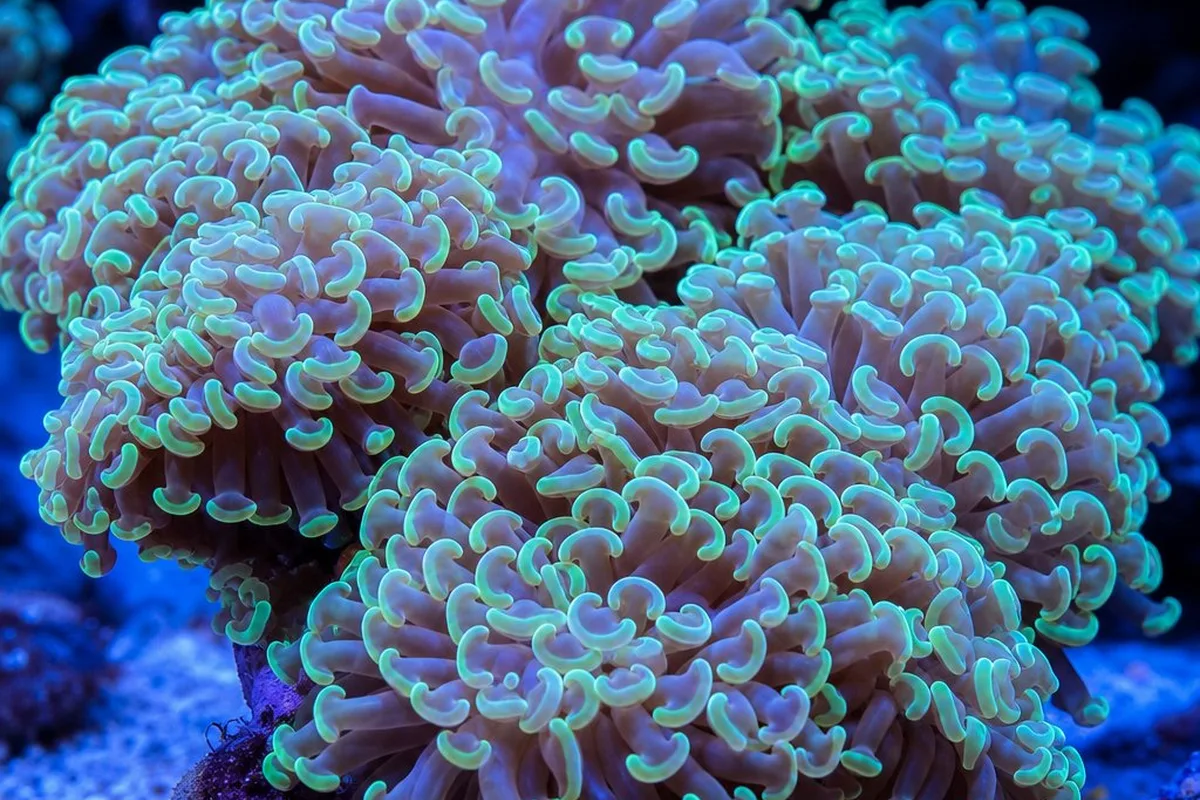
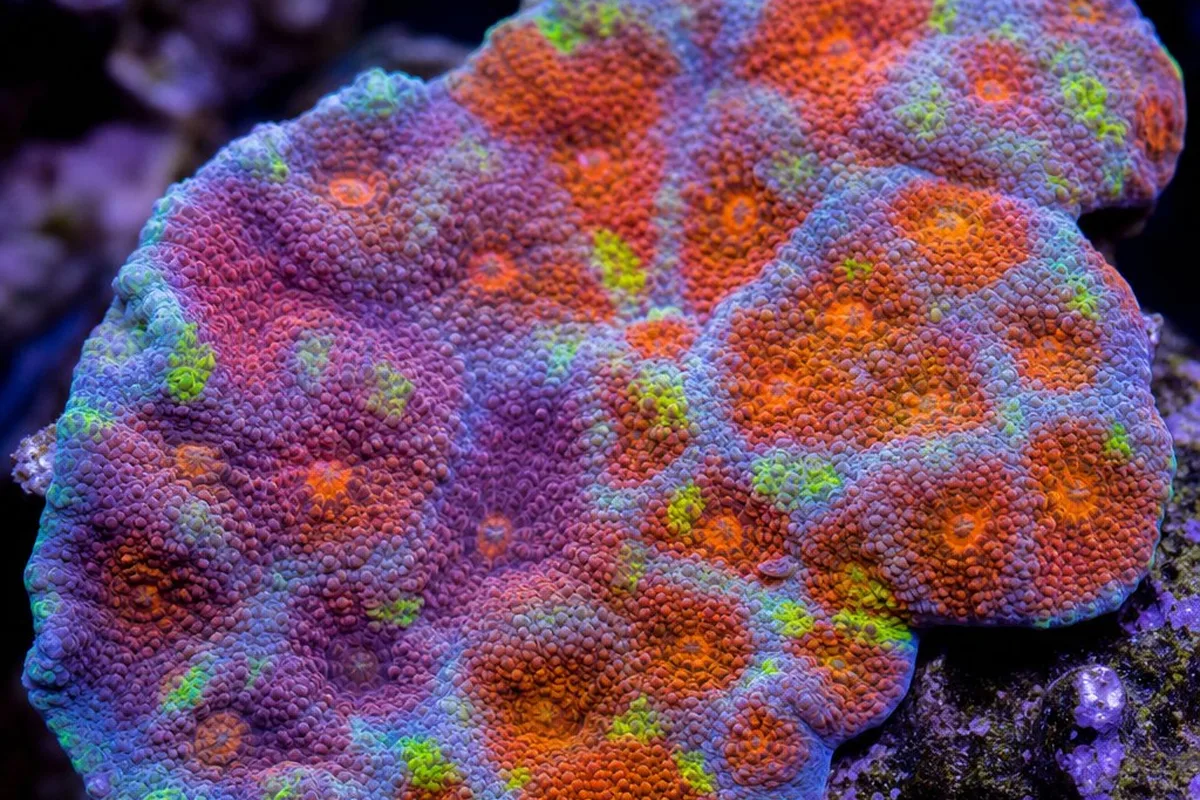
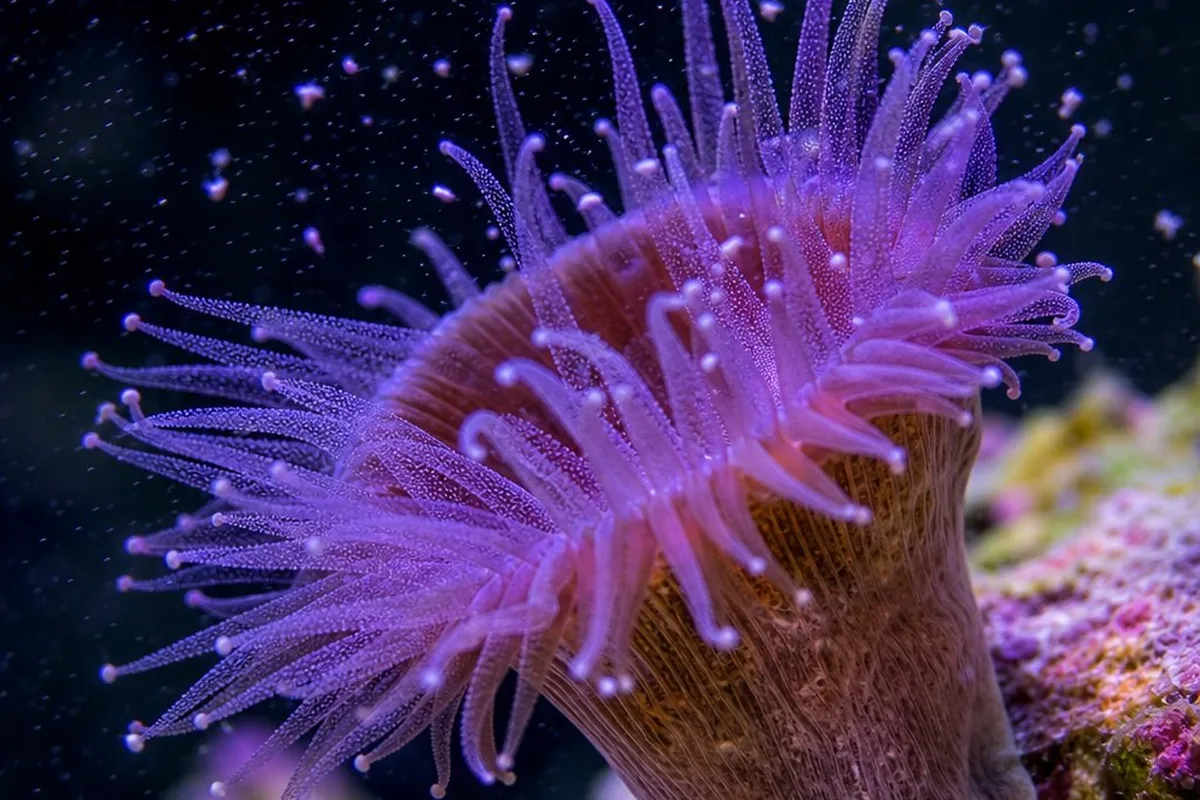
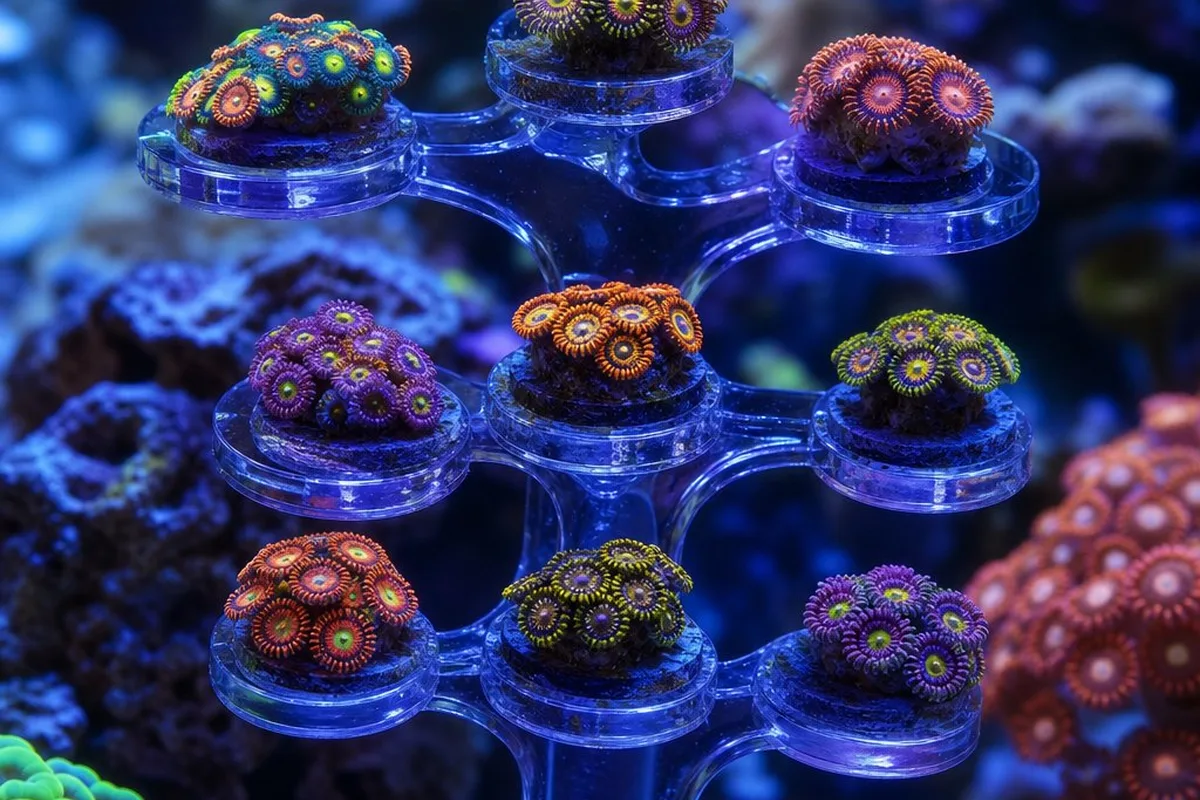
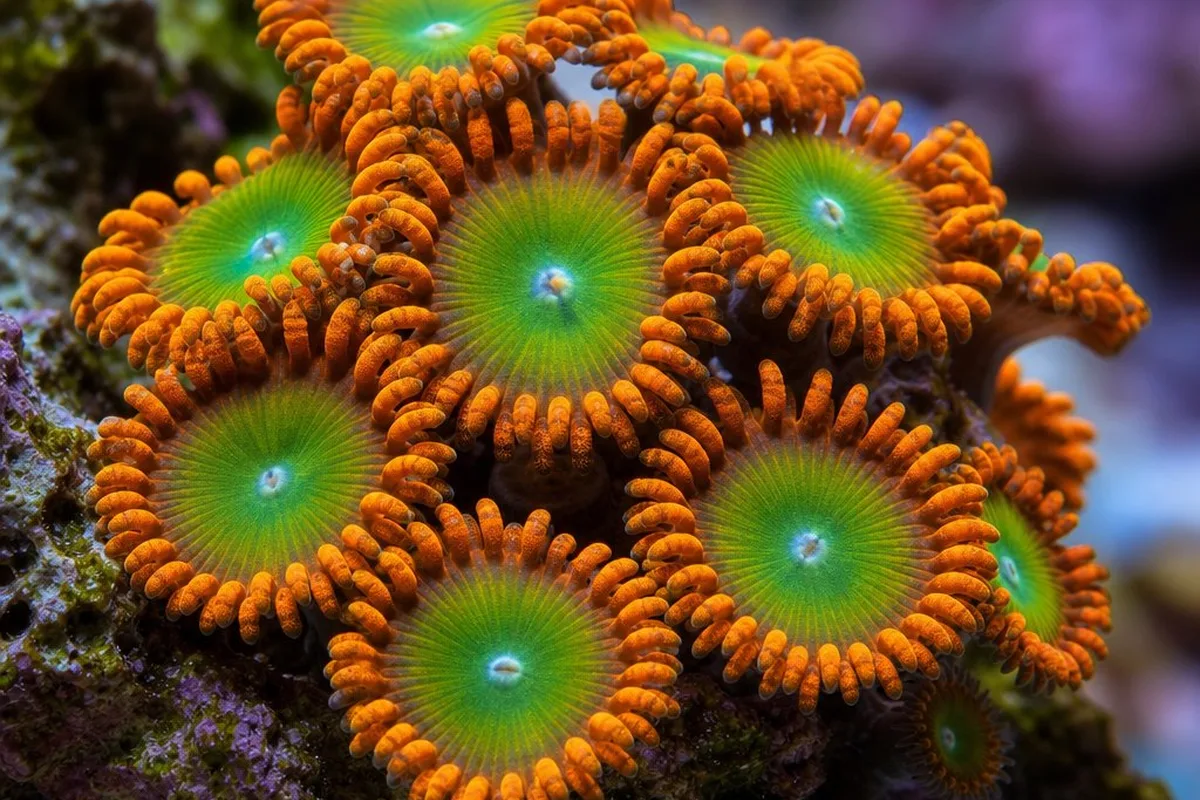
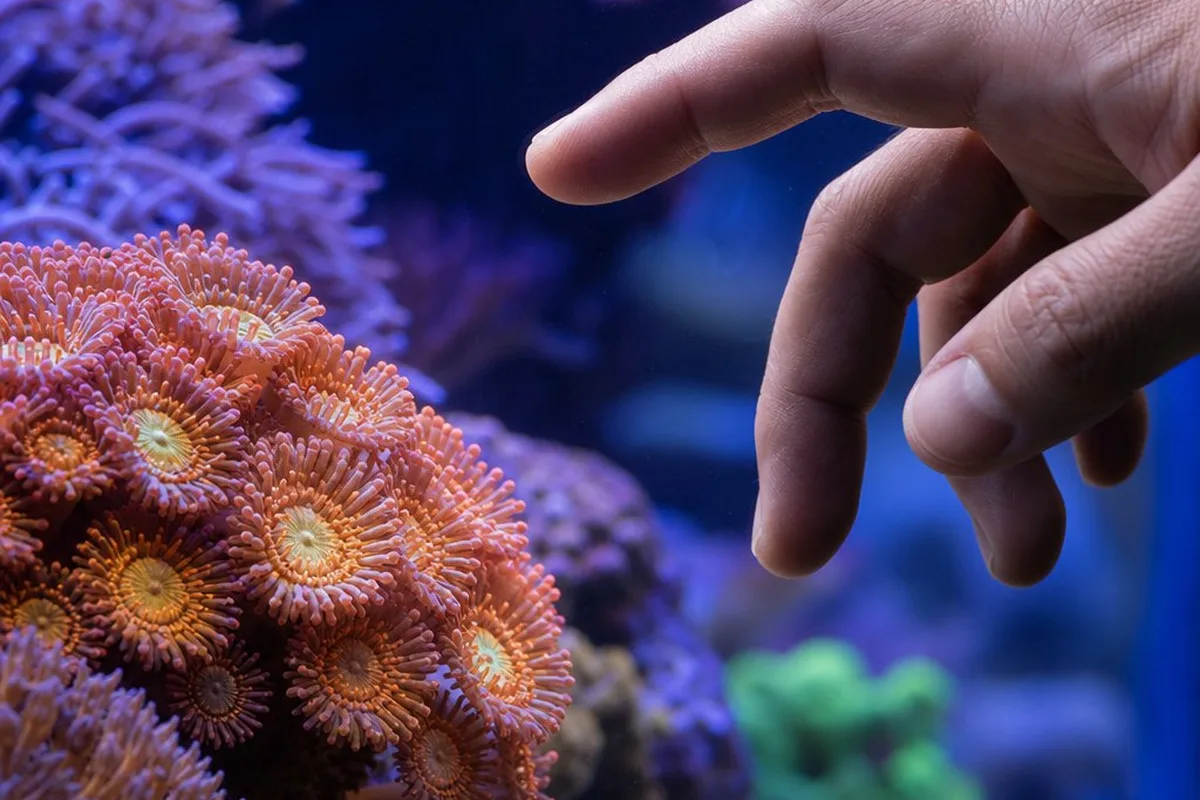
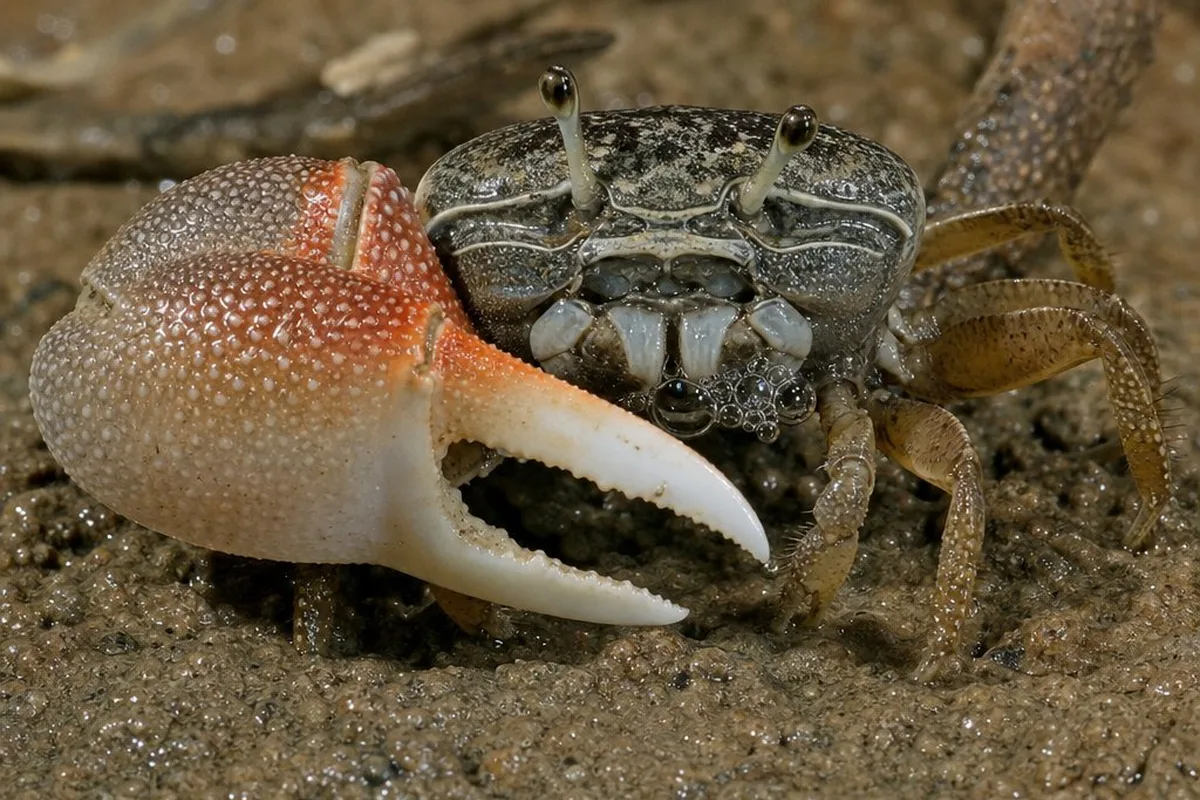
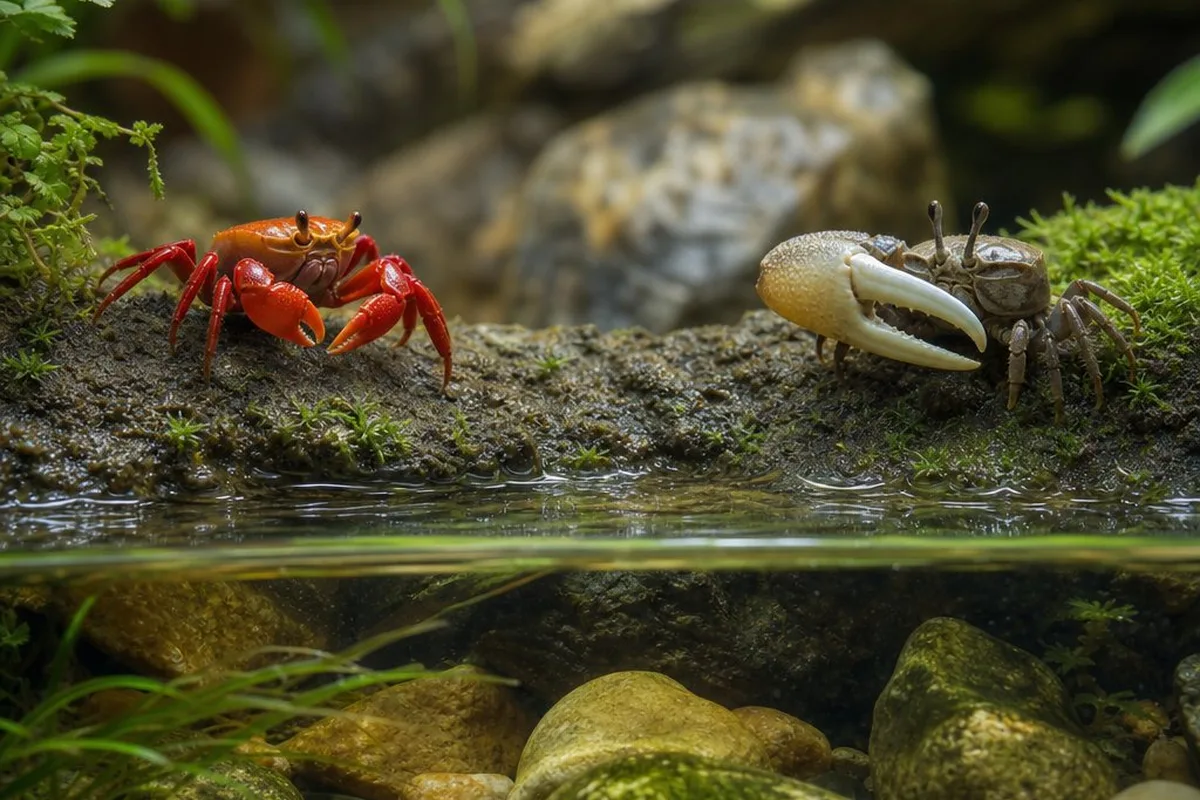
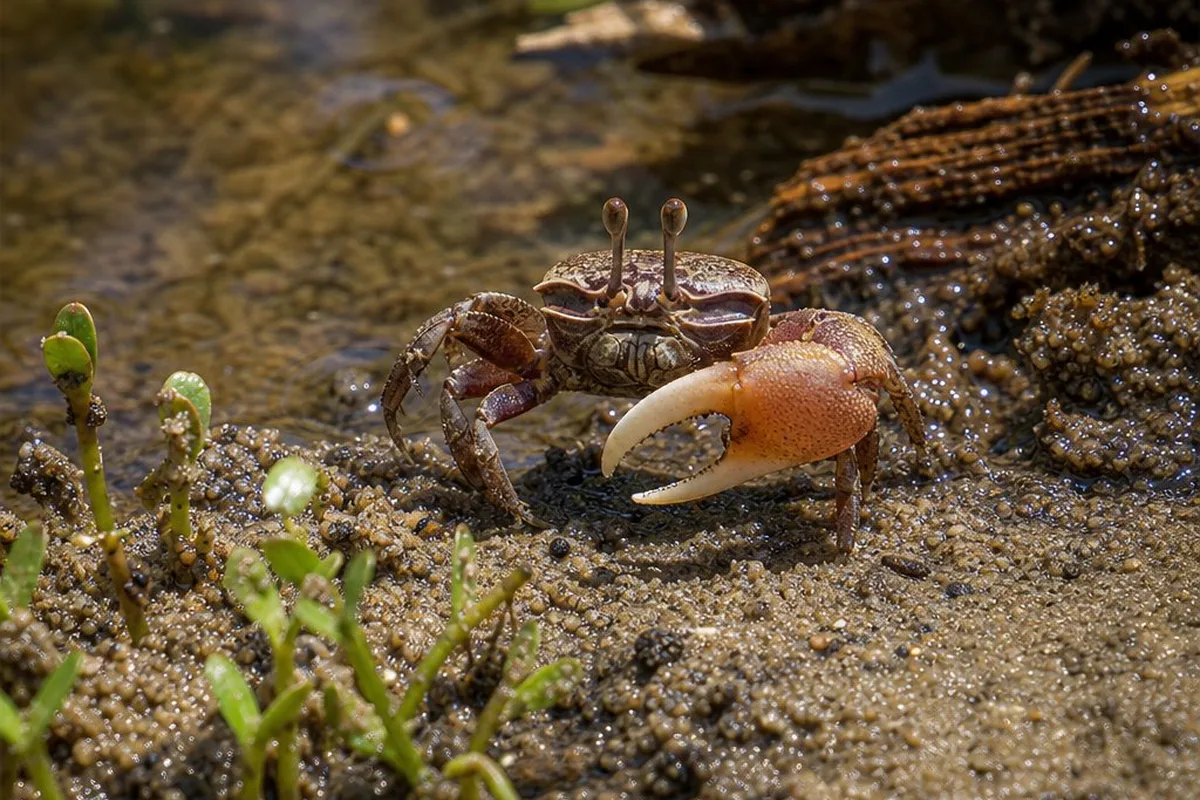
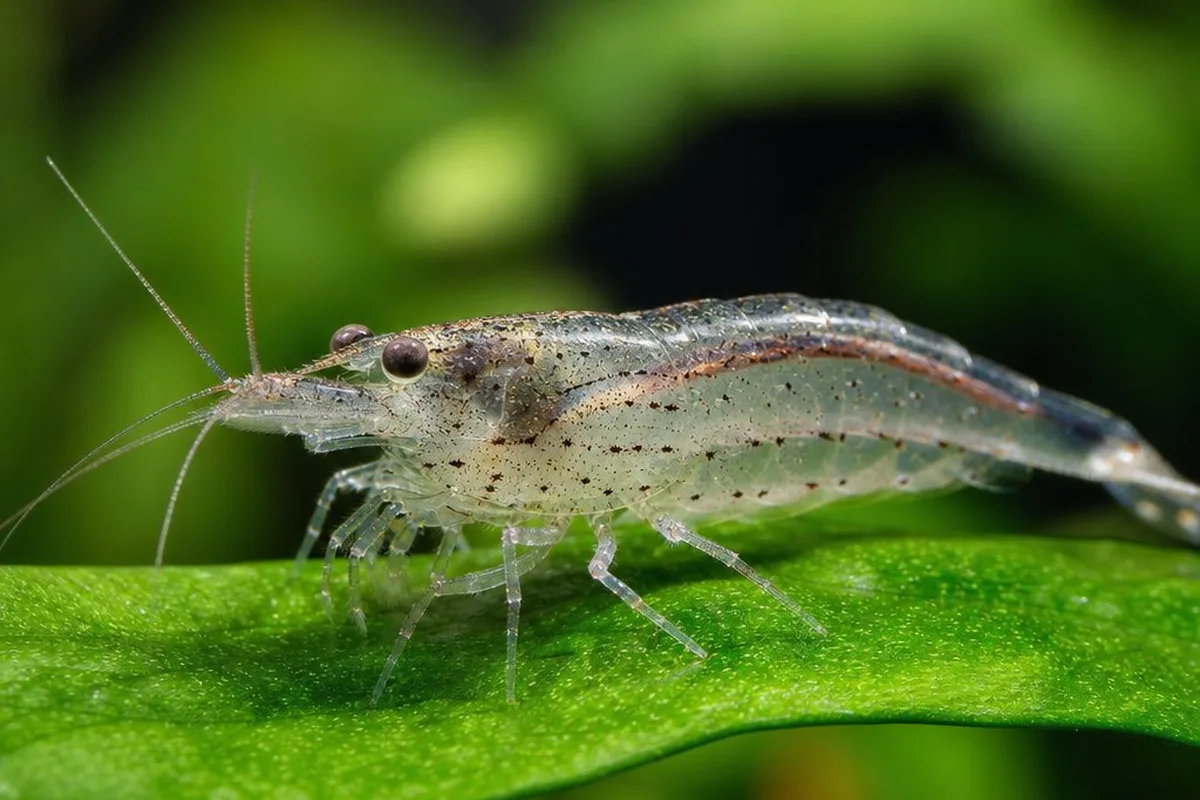
Corals, cleanup crew invertebrates, and the occasional uninvited hitchhiker are a normal part of reef tank life — and most of the time, that's a good thing. A tank with a healthy population of amphipods, copepods, and other small invertebrates is generally a sign of a mature, stable system, not a problem to solve. The challenge is usually identification: telling apart the hitchhikers that are helping (cleanup crew, fish food) from the ones that can cause real problems (aiptasia, certain predatory crabs, mantis shrimp).

What This Section Covers

These guides focus on the practical questions that come up once live rock, sand, and coral frags start arriving in a tank — what's actually reef-safe, what to do about pests without overreacting to every new arrival, and how to choose cleanup crew species that fit your tank rather than create new problems.

Guides

Frequently Asked Questions

What's the difference between a 'pest' and a 'cleanup crew' species in a reef tank?

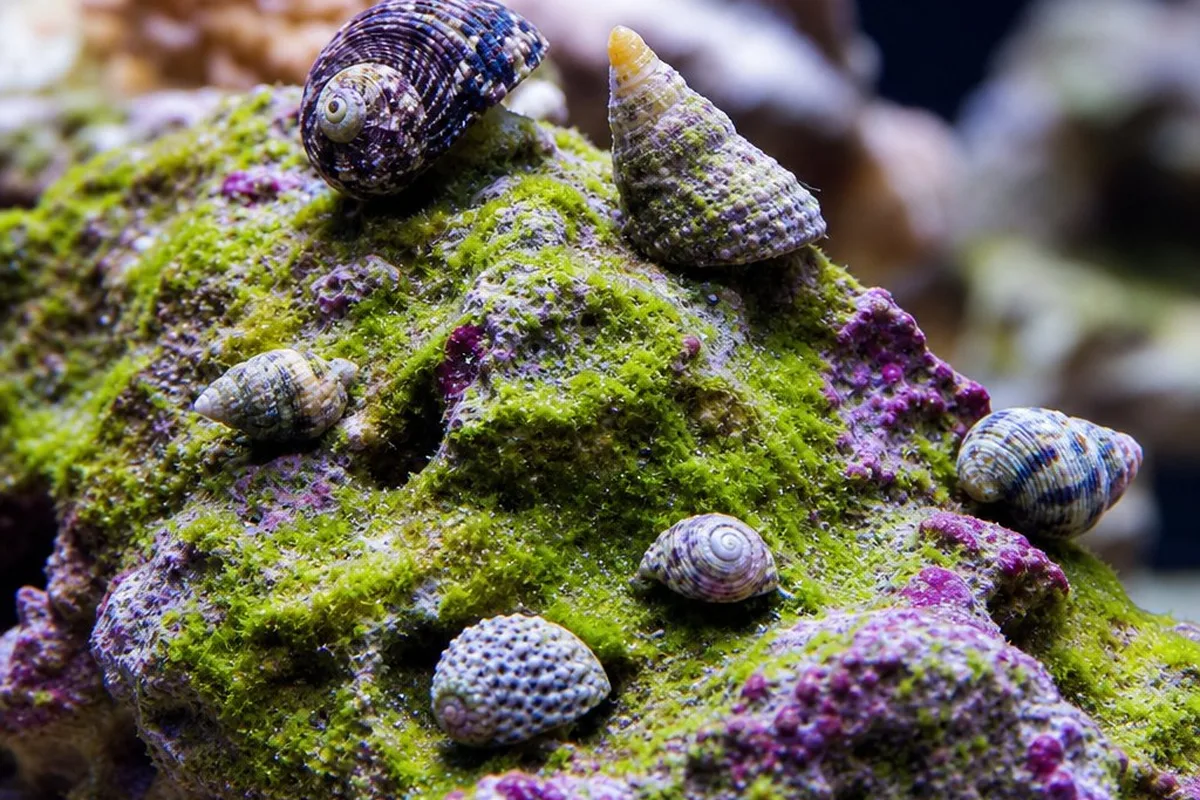
It's less about the species itself and more about what it eats and how it behaves at scale. Many animals that arrive as hitchhikers on live rock — amphipods, copepods, certain worms — are the same general category of small invertebrate that's deliberately purchased as 'cleanup crew' (amphipods and pods, in particular, are often beneficial rather than problematic). The animals that get a 'pest' label are usually ones that eat things you don't want eaten — aiptasia anemones that sting corals and fish, or hermit crab species that outgrow their reef-safe reputation and start preying on snails and coral polyps. The same tank can have both beneficial and problematic hitchhikers at once, which is why identification matters more than a blanket reaction to 'something new showing up.'
Do I need to quarantine or dip new corals and invertebrates before adding them to my tank?

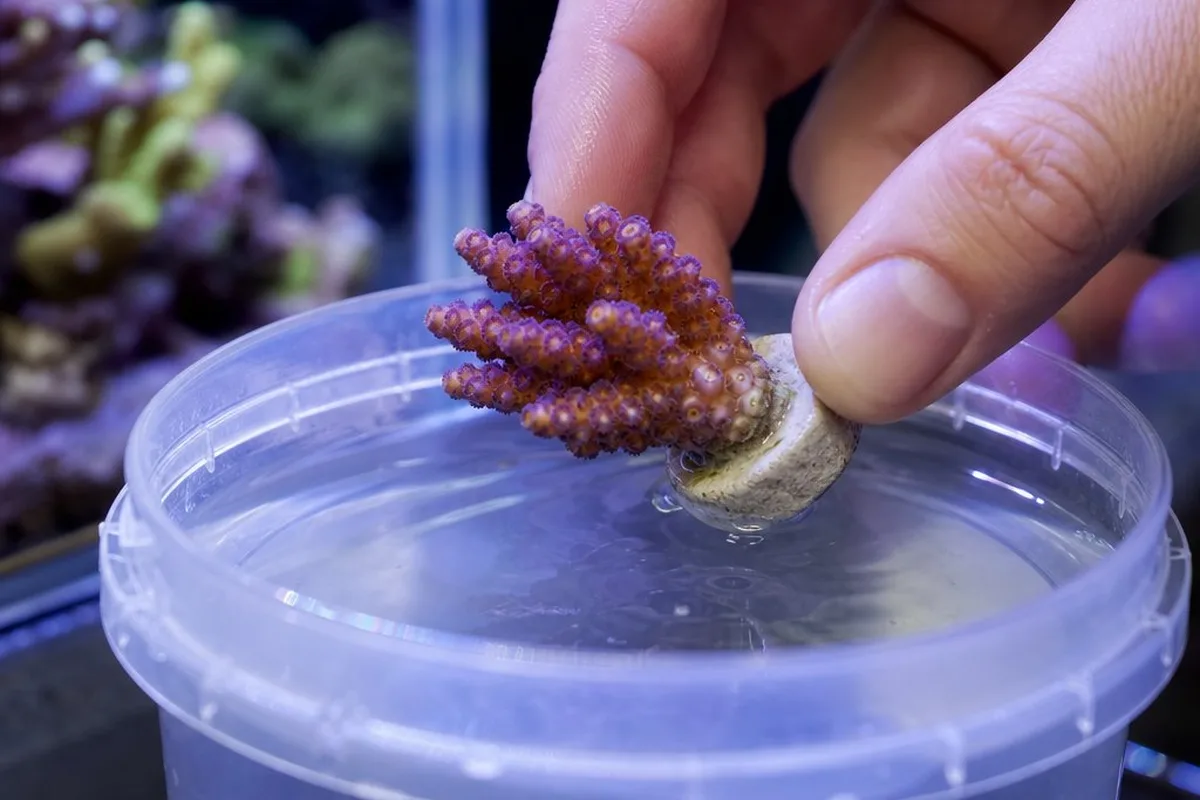
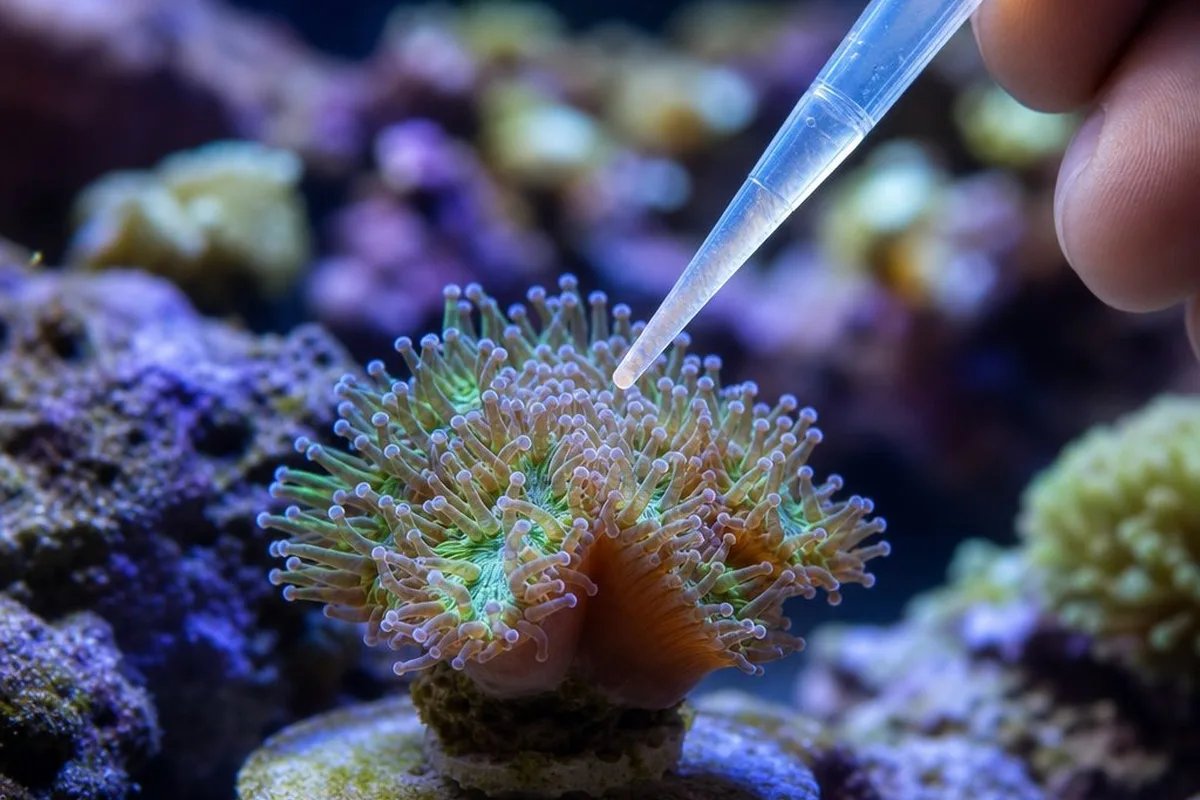
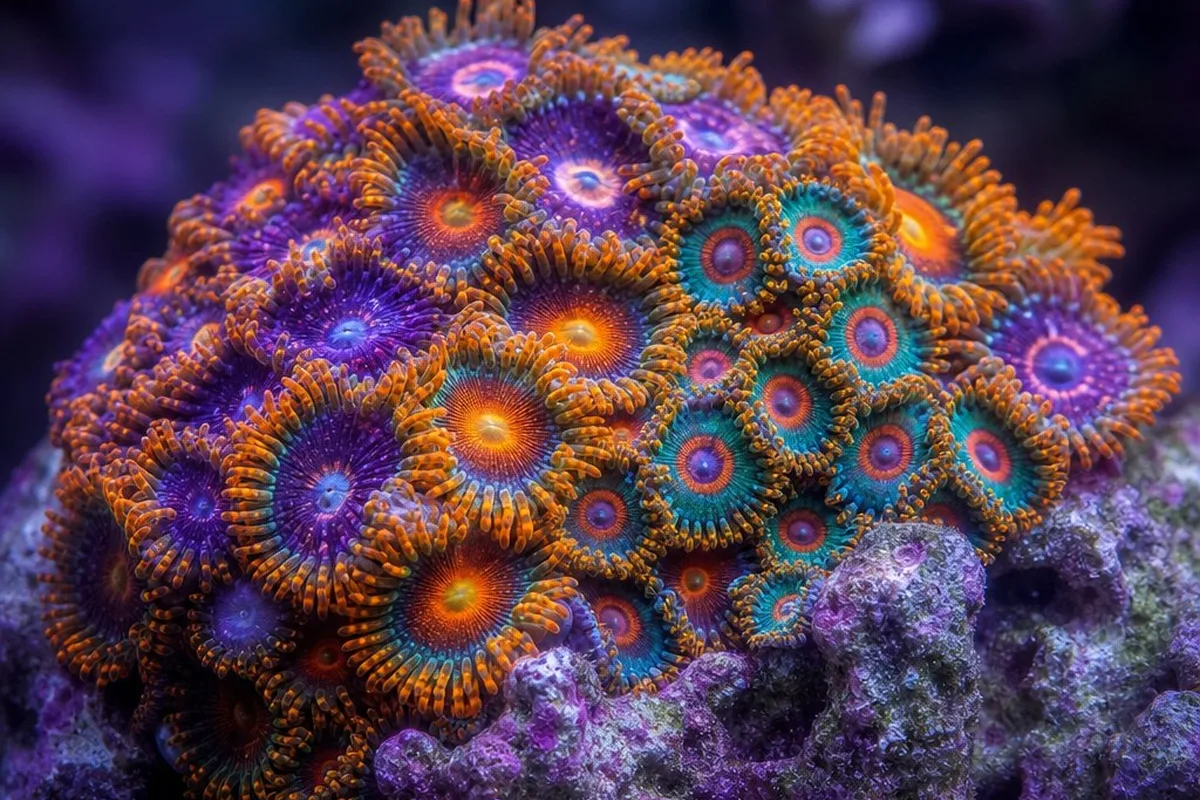
Coral dipping is a widely recommended step for new coral frags specifically, mainly to address hitchhiking pests (like aiptasia) that can arrive attached to a frag's base rock or skeleton — covered in more detail in our coral dip and aiptasia guide. For cleanup crew invertebrates (snails, crabs, shrimp), a full quarantine tank is less commonly used than for fish, partly because many inverts don't tolerate quarantine medications well, but a visual inspection for hitchhikers before adding anything to the main tank is a reasonable minimum step regardless of species.