Bam Bam Zoanthid Care: What This Color Morph Needs

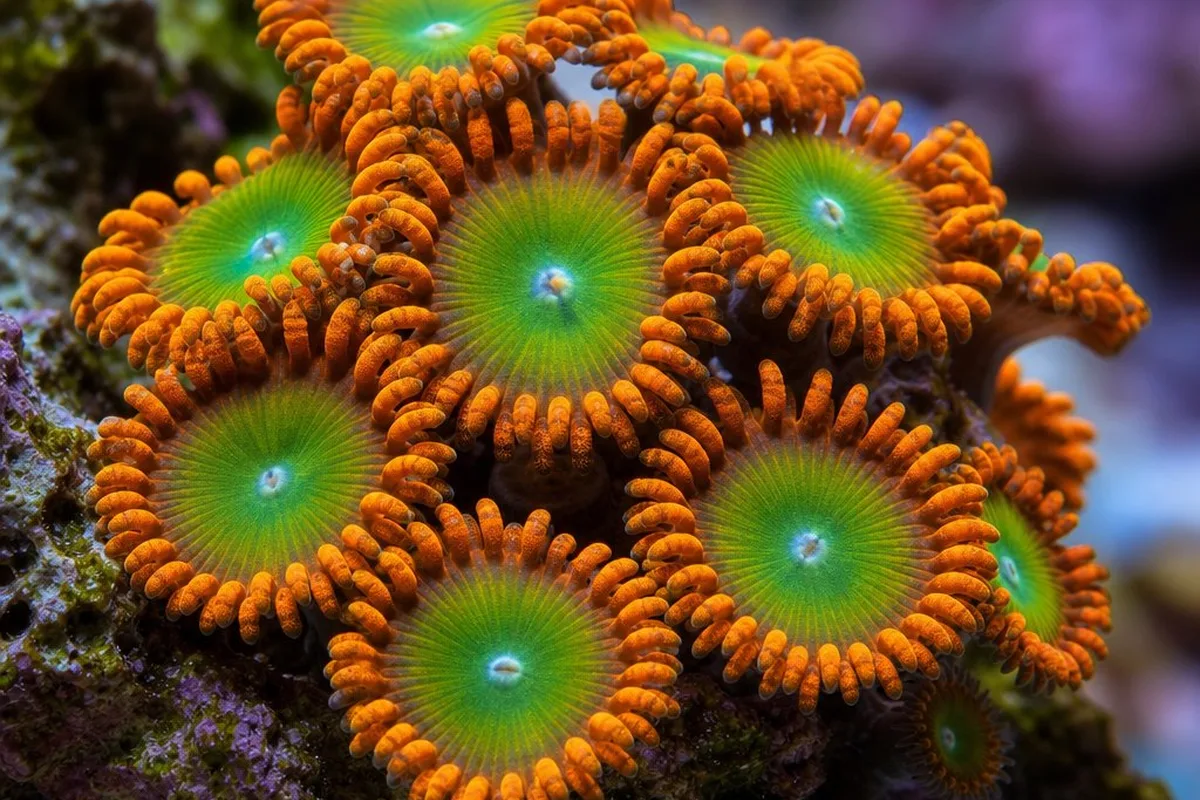
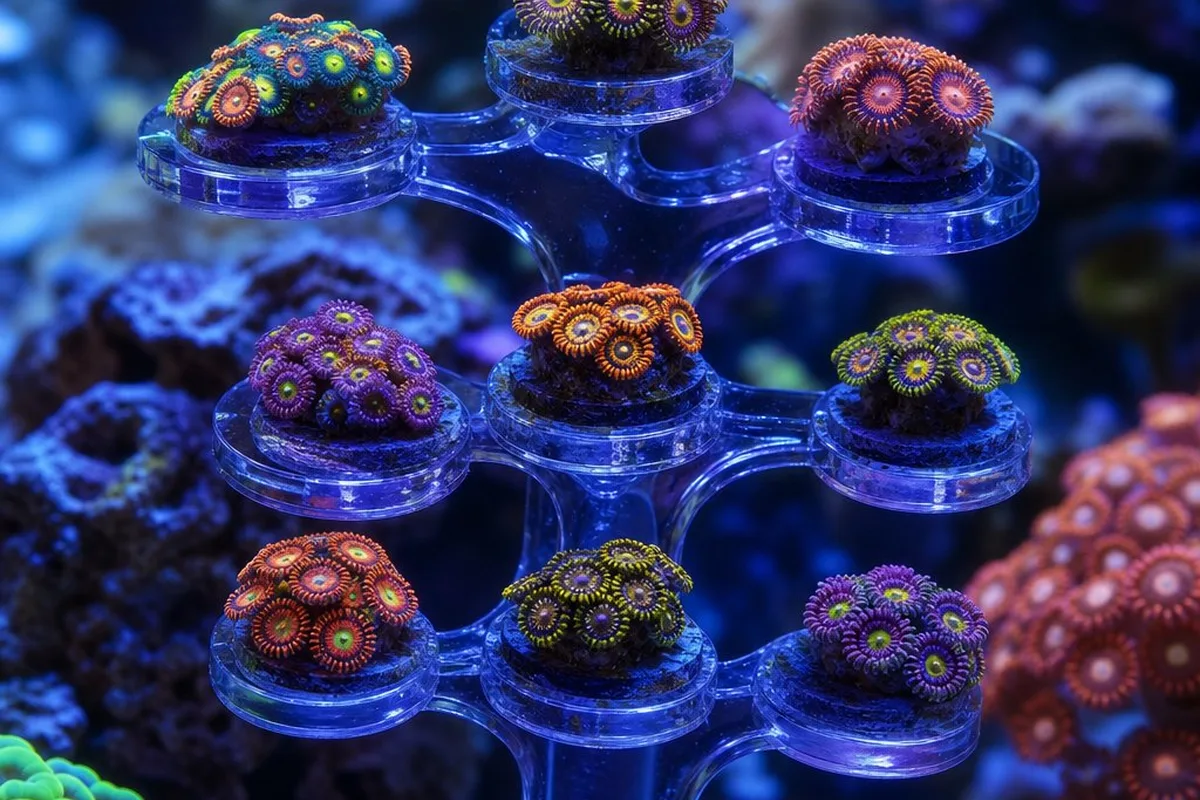
A cluster of Bam Bam zoanthid polyps, showing their characteristic vivid orange and green coloration

Quick Facts

What 'Bam Bam' Refers To
A trade/hobby name for a specific zoanthid color morph, typically described with vivid orange body coloration and green or contrasting oral disc detail
Underlying Animal
A zoanthid (colonial polyp soft coral) — the trade name describes the color morph, not a different species or care category
Lighting
Moderate lighting is typical for most zoanthid morphs; very intense lighting can sometimes affect coloration
Flow
Low-to-moderate flow is generally preferred — strong direct flow can prevent polyps from extending fully
Growth Habit
Zoanthids spread as a colony of connected polyps across a surface, similar in spirit to encrusting corals
Coloration Stability
Coloration can shift somewhat with lighting, water chemistry, and overall health — similar to color variation discussed for other corals
Palytoxin Caution
Zoanthids (genus Zoanthus and related Palythoa) can contain palytoxin — handle with care, avoid skin contact with cut tissue or aerosolized water
Propagation
Zoanthid colonies are generally straightforward to frag compared to many LPS corals

Reef hobby trade names tend toward the colorful — "Bam Bam" is a fitting one for a zoanthid known for a particularly vivid orange-and-green look, even if the name itself doesn't tell you anything about how to take care of it.

Short Answer

"Bam Bam" is a trade/hobby name for a specific zoanthid color morph — typically a vivid orange body with green or contrasting oral disc detail — not a distinct species or a special care category. The underlying animal is a zoanthid, a colonial polyp soft coral, and its care needs follow general zoanthid husbandry: moderate lighting, low-to-moderate flow, and placement on stable rockwork with room to spread. Coloration can shift somewhat with lighting and health, similar to color variation in other corals. One thing worth knowing regardless of trade name: zoanthids can contain palytoxin, so basic handling precautions (gloves when fragging, care around splashes) are reasonable.

A Color Morph Name, Not a Species

As covered in our overview of what coral is, the hobby frequently uses trade names for color morphs rather than formal species names — our guide to BTA anemone color morphs covers a similar naming pattern in a different group (anemones), and Colorado Sunburst is another example of a descriptive trade name for a color variation. "Bam Bam" fits this same pattern: it describes a particular orange-and-green coloration in a zoanthid, but the underlying biology — and care requirements — are governed by the fact that it's a zoanthid, not by the name itself.

General Zoanthid Care Applies

There's nothing about the "Bam Bam" name that changes the basic care profile for zoanthids:

  • Moderate lighting — very intense lighting can sometimes cause coloration to fade or shift, a relationship similar to what's discussed in our chalice coral guide
  • Low-to-moderate flow — strong direct flow can prevent polyps from extending fully, affecting both appearance and feeding
  • Stable placement with room to spread — zoanthid colonies grow by spreading across a surface, similar in spirit to the zoanthid tree discussion of giving frags their own space

As with most new coral additions, gradual acclimation to a tank's specific lighting and flow — rather than immediately placing a new frag under intense light — is a reasonable default.

Why Coloration Can Shift

Zoanthid coloration, like coloration in many corals, is influenced by lighting, water chemistry, and overall health — the same general relationship covered in our chalice coral guide and in the zooxanthellae-related color changes discussed for anemones. A Bam Bam zoanthid might look more vivid in one tank and more muted in another depending on lighting conditions and acclimation. Gradual fading after a lighting change or relocation is often just acclimation — but persistent paling combined with reduced polyp extension is worth investigating using the same general approach covered in our guide on corals not opening: check recent changes to water parameters, lighting, and flow.

A Note on Handling: Palytoxin

Zoanthids (the genus Zoanthus, and related Palythoa species) can contain a toxin called palytoxin, and this is true regardless of color morph or trade name. The commonly recommended precautions are straightforward: avoid direct skin contact with cut or damaged zoanthid tissue (relevant when fragging a colony, as discussed generally in our hammer coral fragging guide) and be mindful of aerosolized tank water during maintenance that involves zoanthids, since exposure has been associated in rare cases with symptoms from skin contact or inhalation. This isn't a reason to avoid keeping zoanthids — they're widely and safely kept in home aquariums — but wearing gloves when fragging and general care around splashes are sensible habits.

Quick Reference

  • "Bam Bam" is a trade name for a zoanthid color morph — vivid orange body with green/contrasting oral disc — not a separate species
  • Care follows general zoanthid husbandry: moderate lighting, low-to-moderate flow
  • Place on stable rockwork with room for the colony to spread over time
  • Coloration can shift with lighting and health, similar to other corals
  • Gradual fading after acclimation is common; persistent paling with reduced extension warrants a closer look
  • Zoanthids can contain palytoxin — wear gloves when fragging and be mindful of splashes
  • Zoanthids are generally easy to frag and widely kept safely with basic precautions
Frequently Asked Questions

Is 'Bam Bam' a specific zoanthid species, or just a color name?

It's a trade/hobby name for a specific color morph, not a distinct species. As covered in our overview of what coral is and in our discussion of BTA anemone color morphs (a similar naming pattern in a different group), the hobby frequently uses descriptive or memorable trade names for color variations within a species or closely related group — 'Bam Bam' describes a particular combination of body and oral disc coloration in a zoanthid, typically a vivid orange body with green or contrasting detail on the oral disc. The underlying animal is a zoanthid (a colonial polyp soft coral), and its care needs are governed by that — not by the trade name. Two zoanthid frags sold under different trade names, including 'Bam Bam,' may be the same species with different coloration, or closely related species/morphs — the name is primarily about how it looks, similar to how 'Colorado Sunburst' describes an anemone color morph rather than a separate species.

What care does a Bam Bam zoanthid need, compared to other zoanthids?

Essentially the same as zoanthids generally — there's nothing about the 'Bam Bam' trade name that implies different care requirements from other zoanthid morphs. The general care profile for zoanthids includes moderate lighting (very intense lighting can sometimes cause coloration to fade or shift, similar to the lighting/coloration relationship discussed for chalice corals), low-to-moderate flow (strong direct flow can prevent polyps from extending fully, which both looks less attractive and can affect feeding), and placement on stable rockwork where the colony has room to spread, similar to the spacing considerations in our zoanthid tree guide. As with most corals, gradual acclimation to a new tank's lighting and flow — rather than placing a new frag directly under intense light — is generally a good practice.

Why might a Bam Bam zoanthid's color fade or change over time?

Coloration in zoanthids, as in many corals, is influenced by lighting, water chemistry, and overall health — similar to the coloration discussion in our chalice coral guide and the zooxanthellae-related color changes discussed for anemones. A Bam Bam zoanthid that looks vivid orange in one tank might appear more muted in another, depending on lighting intensity/spectrum and the coral's acclimation to those conditions. Gradual fading after a change in lighting or a relocation within the tank is often an acclimation response rather than a sign of a serious problem, though persistent paling alongside reduced polyp extension would be worth investigating using the same general troubleshooting approach as for other corals showing reduced extension — checking water parameters, lighting changes, and recent disturbances.

Is there anything to be careful about when handling zoanthids like Bam Bam?

Yes — zoanthids (Zoanthus and related Palythoa species) can contain a toxin called palytoxin, and this is worth being aware of regardless of which color morph or trade name is involved. The main precautions commonly recommended are avoiding direct skin contact with cut or damaged zoanthid tissue (for example, when fragging a colony, as discussed generally in our hammer coral fragging guide for a different genus) and being cautious about aerosolized tank water when working with zoanthids, since palytoxin exposure has been associated in rare cases with symptoms from skin contact or inhalation. This isn't a reason to avoid zoanthids — they're widely and safely kept — but wearing gloves when handling or fragging zoanthids, and being mindful during maintenance that splashes tank water, are reasonable precautions that don't require any special effort beyond basic awareness.

Sources & Further Reading

  1. Zoanthid & Soft Coral Care — Reef2Reef
  2. Zoanthid Coloration and Care — Reef Builders
Hektor Jorgo

About the Author: Hektor Jorgo

Co-Founder & Marine Biologist

Hektor is a co-founder of Sea Life Planet and has kept reef and freshwater aquariums for over 15 years. He holds a background in marine biology and focuses on species care accuracy, water chemistry, and tank husbandry.