By Hektor Jorgo
Fiddler crabs and mudskippers are two of the most recognizable mudflat residents — and if you've kept either, the other has probably crossed your mind as a potential tank mate, since on paper, their habitats and setup needs line up unusually well.
Short Answer
Fiddler crabs and mudskippers are often considered compatible in a suitably sized paludarium, largely because they share similar native habitats and similar setup requirements — both need access to water and emergent land/mud areas, and both are commonly found in brackish mudflat and estuarine environments. That habitat overlap is a genuinely strong starting point. But compatibility in a specific tank still depends on adequate space for both species, matching salinity needs, and individual temperament — the same factors that matter for any mixed-species setup, regardless of how well the species' general habitat preferences line up on paper.
Why the Habitat Overlap Is a Good Sign
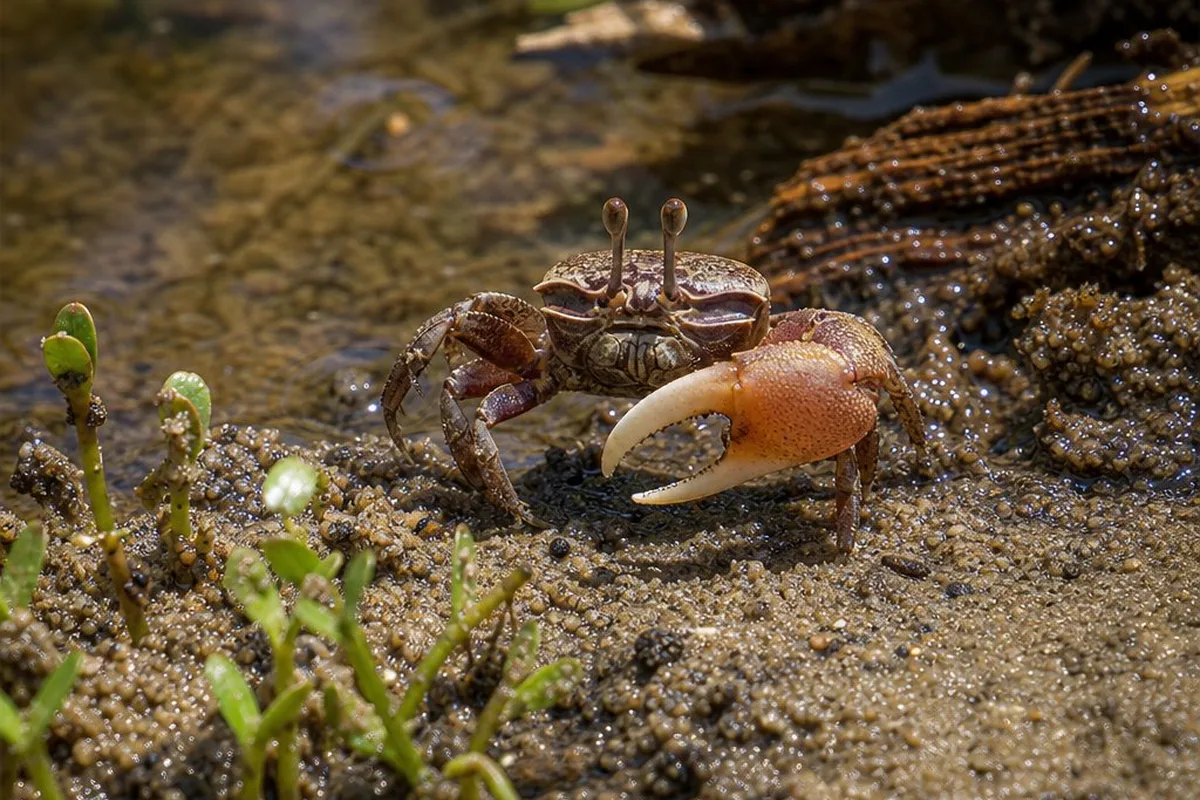
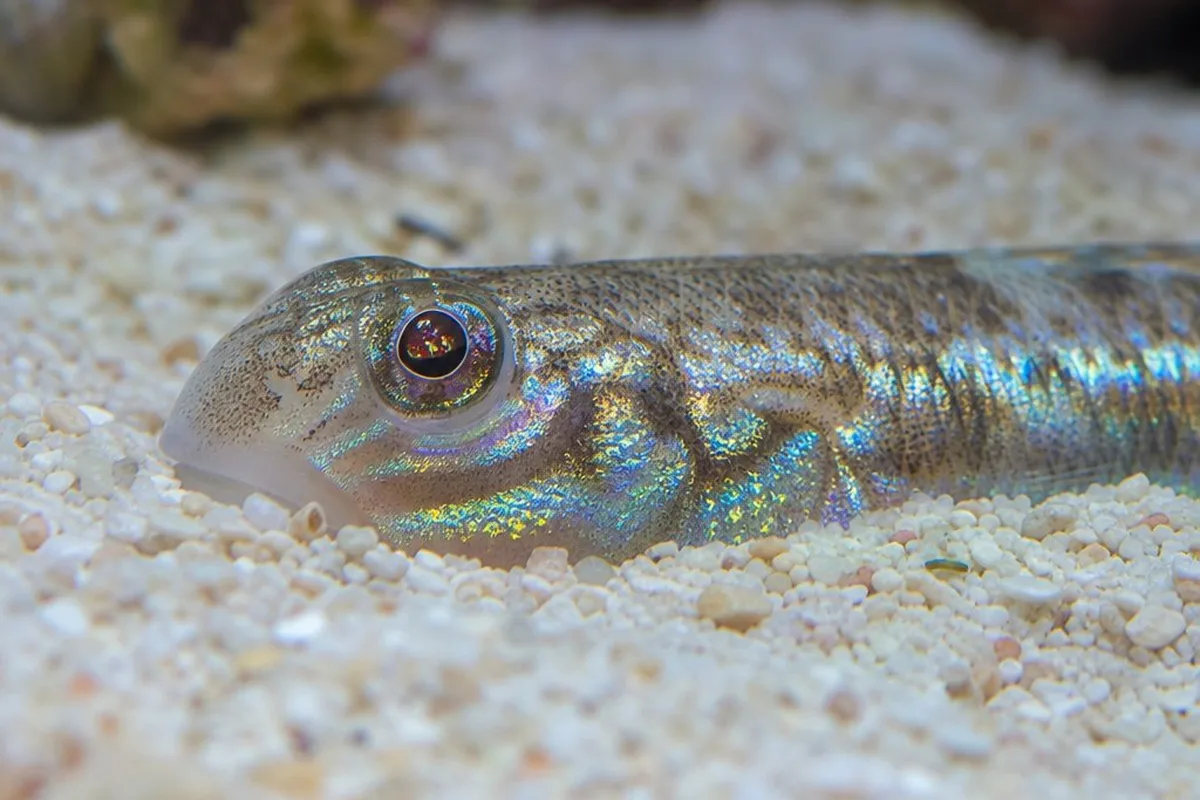
Fiddler crabs and mudskippers occupy genuinely similar ecological niches in the wild — both are found on mudflats and in estuarine areas where land and water meet, both tolerate or require brackish conditions, and both rely on access to emergent land as much as water. This is a meaningfully different starting point than, say, trying to combine two species whose native habitats don't overlap at all and hoping a compromise setup works for both.
In practice, this means a paludarium built with fiddler crabs in mind — the kind of setup covered in our freshwater crabs for aquariums guide — is already pointed in a reasonable direction for mudskippers too, rather than requiring a fundamentally different design. Our brackish water paludarium guide covers this land-and-water style of setup in more depth, including how to plan the land-to-water ratio when housing multiple species together.
Where It Gets More Complicated: Space and Competition
The habitat overlap doesn't mean "any tank that works for one works equally well for two." A few practical considerations:
- Space requirements compound. A tank sized appropriately for one species' land and water needs may become cramped once a second species with overlapping (but not identical) space needs is added. Sizing up, rather than assuming a single-species setup automatically scales, is the safer assumption.
- Diets differ. Fiddler crabs lean toward omnivorous detritivory — algae, biofilm, plant matter, covered in our fiddler crab diet guide — while mudskippers tend to be more carnivorous. This reduces direct food competition somewhat, but it also means feeding needs to account for both dietary patterns rather than assuming one food source covers everything.
- Territoriality. Fiddler crabs can show territorial behavior toward each other, and while that doesn't automatically predict how an individual will behave toward a mudskipper, it's a reminder that temperament varies and isn't fully predictable from habitat overlap alone.
What to Watch For After Introduction
As with most mixed-species questions in this hobby, the habitat-overlap argument is a reasonable hypothesis, but actual behavior after introduction is what confirms it. Watch for:
- Persistent chasing or aggression between species
- One species monopolizing land/basking areas to the point the other can't access them
- Visible injury, particularly given fiddler crabs' claws
- Either species consistently hiding, stressed, or not feeding
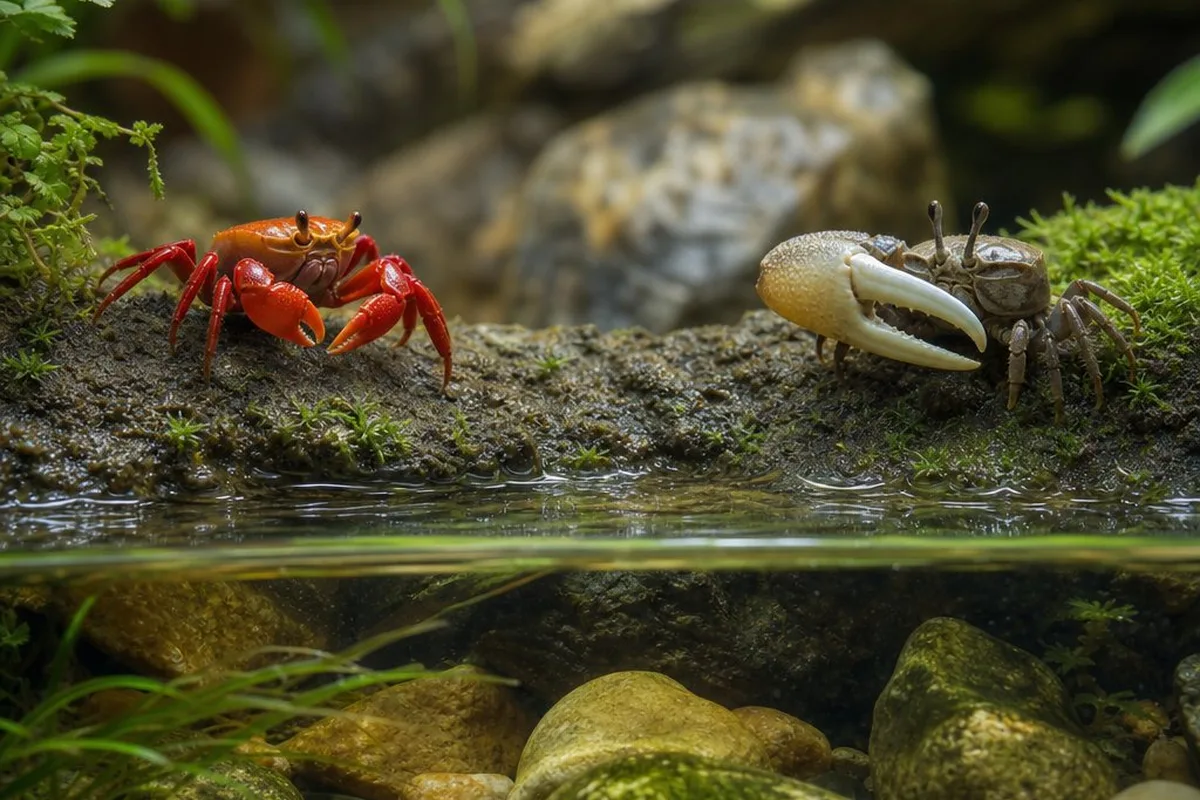
None of these are unique to a fiddler-crab-and-mudskipper combination — they're the general signs worth watching in any mixed paludarium setup, including the fiddler-crab-and-red-claw-crab combination covered in our related compatibility guide.
Quick Reference
- Fiddler crabs and mudskippers share similar mudflat/estuarine native habitats
- Both need paludarium setups with water and emergent land — a strong compatibility starting point
- Space requirements compound when combining species — size up rather than assume a single setup scales
- Mudskippers are more carnivorous than fiddler crabs, reducing but not eliminating food competition
- Fiddler crab territoriality and individual temperament still matter
- Watch for aggression, monopolized land area, injury, or stress after introduction
- Habitat overlap is a good sign, but observed behavior confirms actual compatibility