By Hektor Jorgo
"How long do corals live?" is a reasonable question with an answer that depends heavily on whether you're asking about a wild reef, a specific species, or the frag sitting in your tank right now.
Short Answer
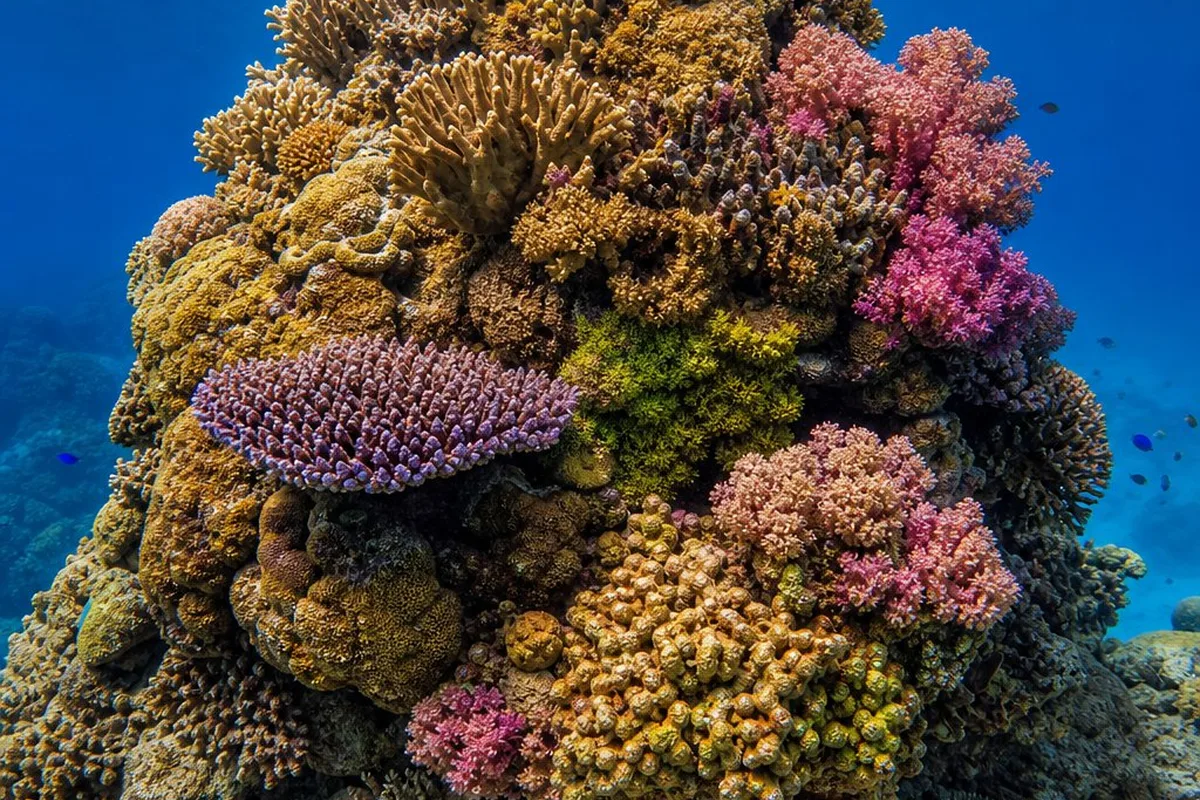
There's no single number — coral lifespan varies enormously by species and by context. Wild colonies of some species are documented at centuries to thousands of years, as covered in our companion guide on whether corals live forever. In a home aquarium, "lifespan" is less like a fixed countdown and more about ongoing growth under reasonably stable conditions — water quality, lighting, flow, feeding, and pest/disease management all play a role, and with those reasonably dialed in, many popular aquarium corals can grow steadily for years to decades.
Why "Lifespan" Is the Wrong Frame for a Colony
As covered in our overview of what coral is and our companion guide on coral longevity, a coral colony grows by continuously producing new polyps, and colonies can be fragmented into genetically identical pieces that continue growing independently. This makes "lifespan" a fundamentally different kind of question for coral than for, say, a fish — there isn't a single body that has to survive intact from birth to death. The more useful framing is what factors support or threaten ongoing growth, rather than a number of years.
That said, the upper range is informative: some wild colonies are documented at centuries to thousands of years old, which says something real about how long the underlying growth process can continue, even if it doesn't translate into a specific expectation for a tank-raised frag.
What Drives Long-Term Success in a Home Aquarium
A few factors come up repeatedly across coral care guides:
- Water quality stability — corals generally respond poorly to large or frequent parameter swings, more so than to any particular "ideal" number
- Appropriate lighting — intensity and spectrum suited to the species, covered for LPS corals in our LPS beginner guide
- Adequate flow — enough to prevent detritus buildup without overwhelming the coral
- Feeding, where relevant — our hammer coral feeding guide covers what this looks like for one common LPS genus
- Proactive pest and disease management — catching issues like the tissue recession discussed in our brain coral skeleton guide early, rather than after they've progressed
None of these guarantee a specific outcome for any individual coral, but tanks that handle all of them reasonably well tend to see steady growth over years, which is the practical aquarium equivalent of "living a long time."
Some Species Are More Forgiving Than Others
There's genuine variation in how reliably different corals do well long-term — though it's better described as hardiness and track record than a fixed lifespan difference:
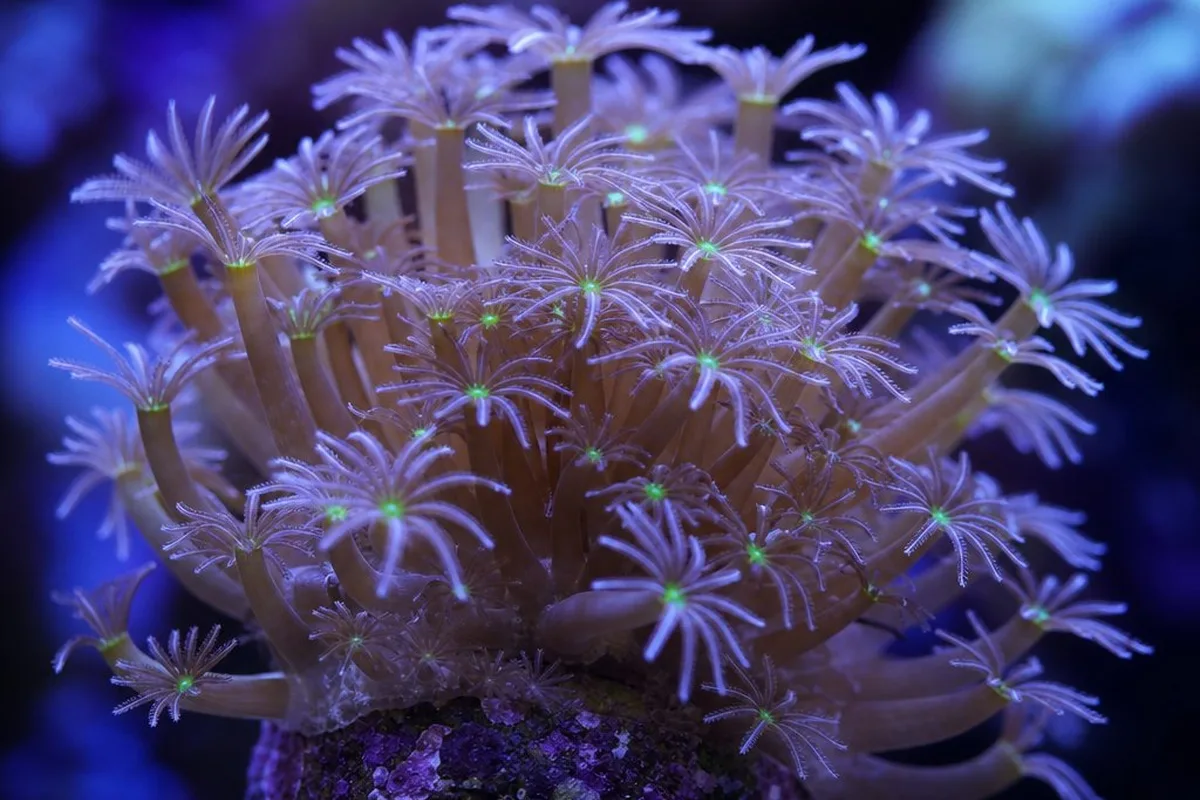
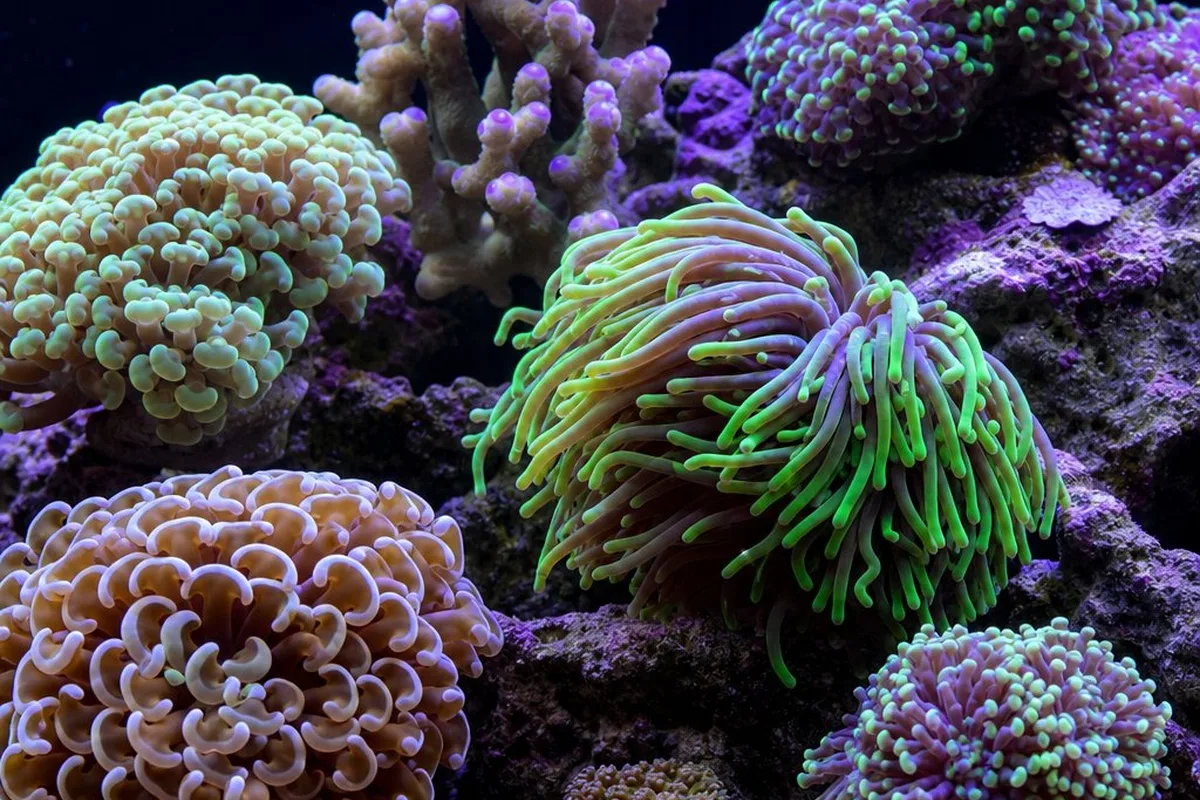
- Many Euphyllia species (hammer, torch corals) and many Favia/brain-type corals have decades of well-documented hobby success across a wide range of setups
- Alveopora, by contrast, has a more mixed reputation — some specimens thrive for years, while others decline despite conditions that seem adequate, for reasons that aren't fully settled
This kind of variation is closer to "how forgiving is this species of typical aquarium conditions and minor mistakes" than to a literal maximum age.
Fragging as Continuity, Not Just Propagation
A coral frag is genetically identical to its parent colony, as discussed in our guides on coral movement and propagation and getting started with frags. If a coral is fragged and the pieces distributed — to other tanks, or even just other spots in the same system — the lineage can continue even if the original colony later runs into trouble. This is sometimes framed as a kind of "insurance," separate from whatever happens to the original colony itself, and it's part of why fragging is so central to how corals persist in the hobby over the long term.
Quick Reference
- There's no single "coral lifespan" — it varies by species and by wild vs. aquarium context
- Wild colonies of some species are documented at centuries to thousands of years old
- In aquariums, water quality stability, lighting, flow, feeding, and pest management drive long-term outcomes
- Many Euphyllia (hammer, torch) and Favia/brain corals have long, well-documented hobby track records
- Alveopora and similar species have a more mixed long-term reputation despite adequate-seeming care
- Fragging lets a coral's genetic lineage continue even if the original colony later declines
- With reasonably stable conditions, many popular corals can grow for years to decades in a tank