By Hektor Jorgo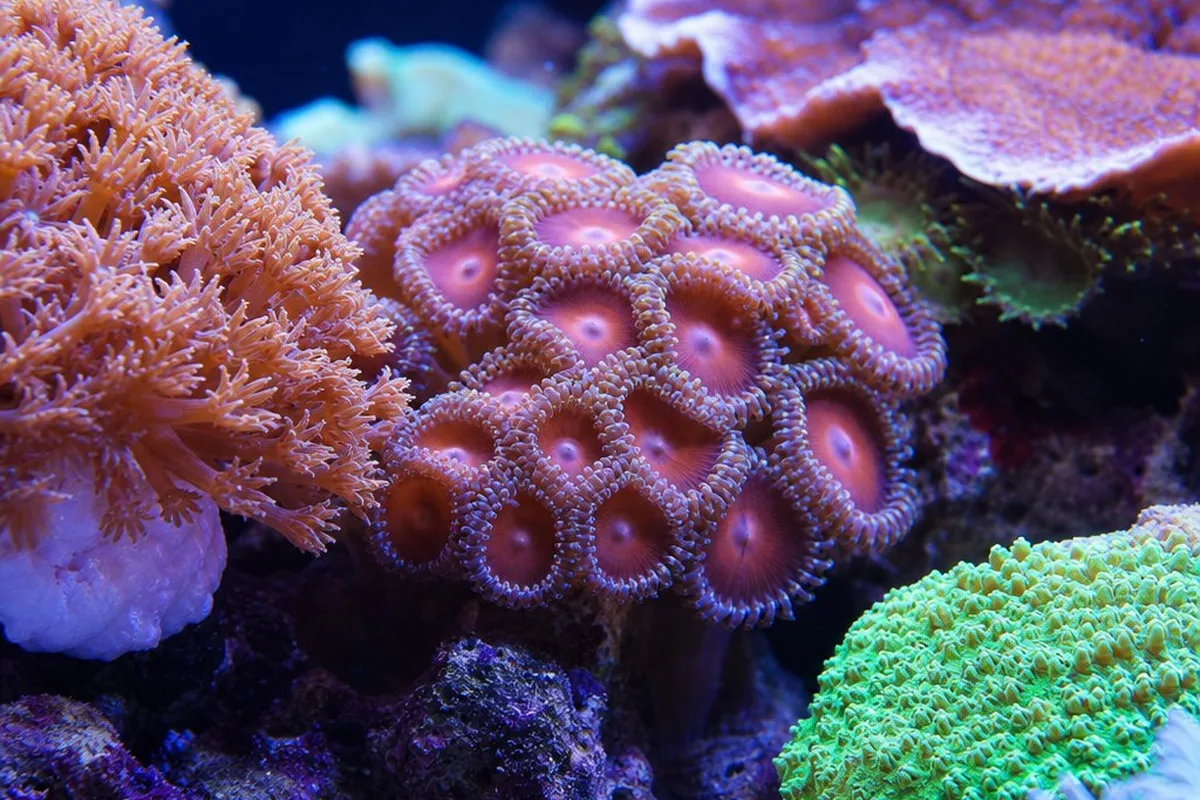
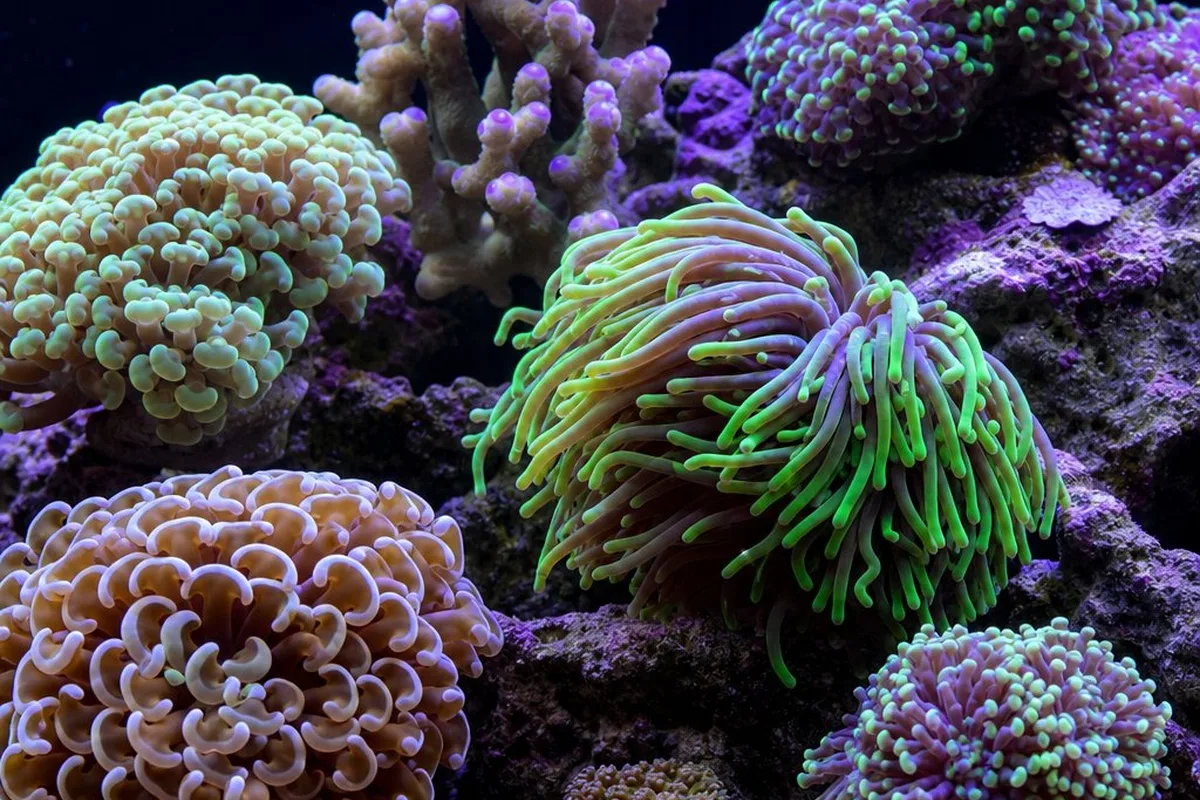
"Is that thing a plant, an animal, or a rock?" is one of the first questions a lot of people have the first time they look closely at a reef tank — and the honest answer is "animal," even when it doesn't look or act like one.
Short Answer
Coral is an animal — specifically, a colony of small, soft-bodied individuals called polyps, related to sea anemones and jellyfish. Many corals build a hard calcium carbonate skeleton (the "rock" part of the popular image), and many also host symbiotic algae called zooxanthellae inside their tissue (the "plant" part of the confusion), which provide a large share of the coral's energy through photosynthesis. Understanding these three pieces — animal, skeleton, and algal partner — explains most of what's confusing about coral at first glance, and sets up nearly everything else covered in our coral and reef tank guides.
Coral Is an Animal, Not a Plant or a Rock
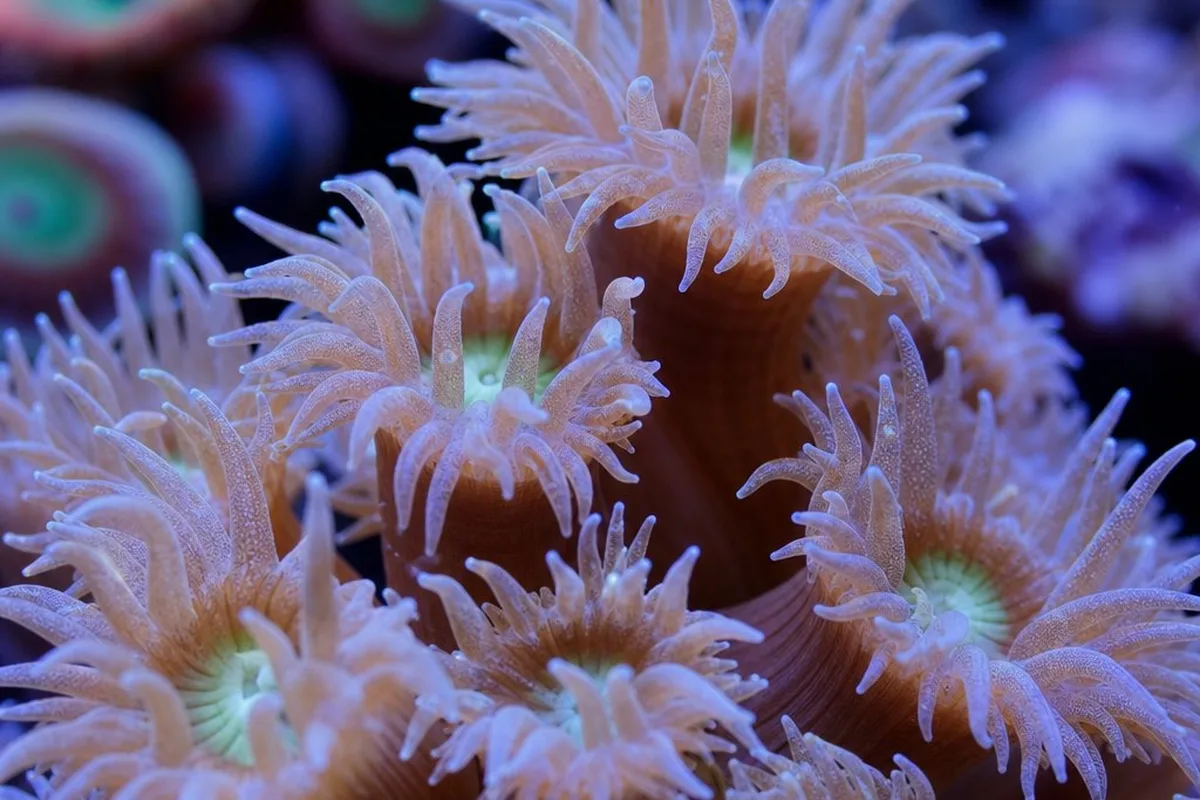
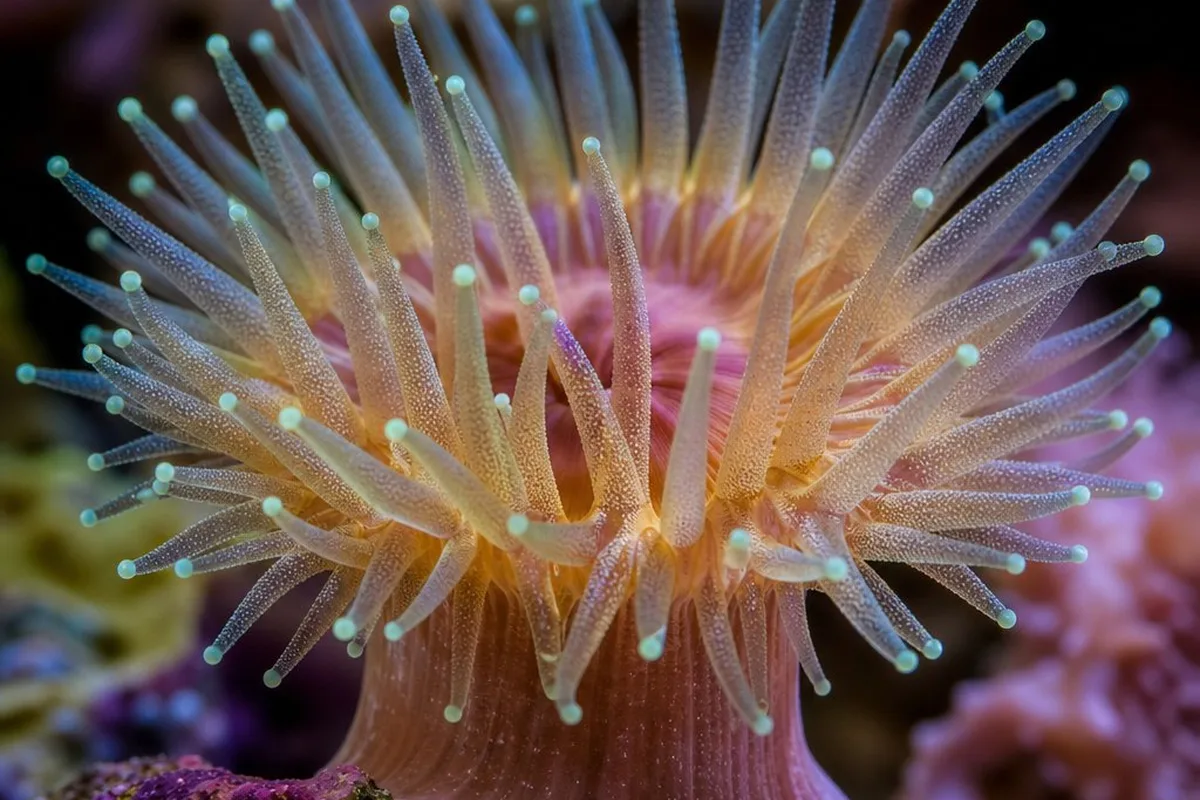
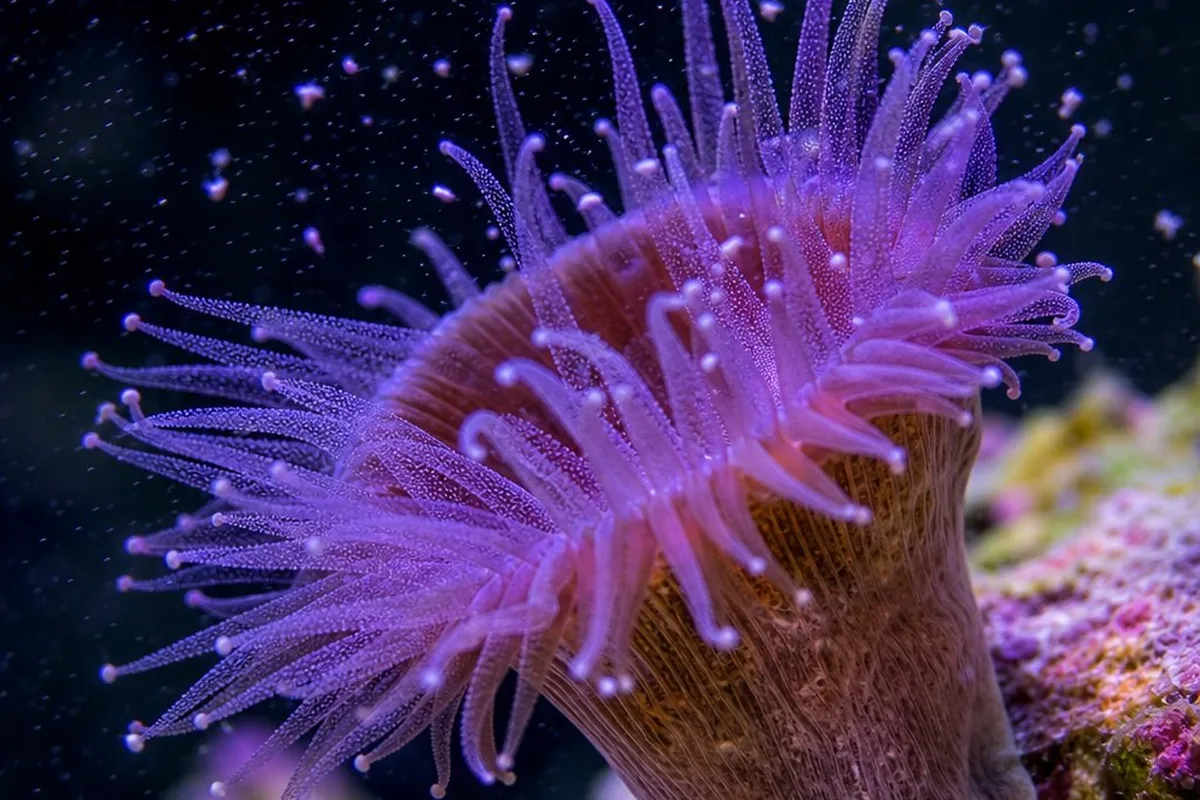
Corals belong to the phylum Cnidaria — the same broad group as jellyfish, sea anemones, and hydroids (the kind of hitchhiker covered in our hydroid identification guide). What looks like a single coral "thing" on a piece of rock is, in most cases, a colony made up of many individual polyps, each one structurally similar to a tiny anemone: a central mouth, a body column, and a ring of tentacles used for capturing food and (in many species) for stinging.
The two things that most often cause confusion:
- The skeleton — many corals build a hard, calcium carbonate structure (the same general material discussed in our brain coral skeleton guide), and the living animal tissue covers this structure and continually adds to it. A bare skeleton, with no living tissue, really is just "rock" at that point — but a living coral is the animal on top of that structure, not the structure itself.
- The algae — many corals host zooxanthellae, photosynthetic algae living inside their tissue, which contribute both energy and color. The algae are a separate organism in partnership with the coral, not the coral itself.
The Polyp: Coral's Basic Living Unit
A polyp is the fundamental living unit of a coral — a small, anemone-like individual with its own mouth and tentacles. Some corals are solitary, consisting of a single large polyp, but most of the corals commonly kept in reef tanks are colonial: many genetically identical polyps, produced as the original polyp grew and divided (budded) over time, remain physically connected and function together as one colony.
This colonial structure is part of why corals can be fragmented ("fragged") — splitting a colony into multiple pieces, each of which can grow into a new, independent colony, is a normal part of how corals are propagated in the hobby (and, in many species, how they spread in the wild too). Our guide to getting started with coral frags covers what this looks like in practice for someone adding their first frags to a tank.
Zooxanthellae: Coral's Solar-Powered Energy Source
Many corals — along with other reef animals, including the anemones covered in our anemone care guides — host zooxanthellae: microscopic, single-celled algae living inside their tissue in a mutually beneficial relationship. The algae get a protected home and access to the coral's metabolic waste products as nutrients; in exchange, they photosynthesize and pass a significant share of the resulting energy on to the coral.
This partnership has two big practical implications:
- Light matters. Reef-building corals are generally restricted to shallow, clear, sunlit water because their zooxanthellae need light to photosynthesize. This is the underlying reason lighting comes up so often in coral care guides, including our LPS lighting notes.
- Color is tied to the algae (and to health). Zooxanthellae density and type contribute heavily to a coral's color, and a coral that loses too many of its zooxanthellae — a process called bleaching, discussed for anemones in our guide on zooxanthellae expulsion — can pale dramatically and lose a major energy source, even while the coral animal itself may still be alive.
Hard Corals, Soft Corals, and Where LPS/SPS Fit
The hobby splits corals into a few broad structural categories:
- Hard (stony) corals build a rigid calcium carbonate skeleton — the kind of structure discussed in our brain coral skeleton guide — with living tissue covering and continually adding to it as the colony grows.
- Soft corals lack a rigid skeleton in this sense. Many have small calcium carbonate structures called sclerites embedded in their tissue for support, but nothing resembling the solid, reef-building skeleton of a stony coral — which is part of why soft corals often look and move in a more flexible, leathery way.
- Among stony corals, the hobby further divides things into LPS (large-polyp stony) and SPS (small-polyp stony) based on relative polyp size. As our LPS beginner guide covers, this is a structural description, not a difficulty rating — some LPS genera are notably easier than others, and the same is true within SPS.
How Coral Reefs Are Actually Built
Over long timescales, the accumulated skeletons of stony coral colonies — both living and dead — build up the physical structure of a coral reef. Living coral covers the surface of the reef, but underneath is layer upon layer of skeleton laid down by previous generations of coral, cemented together with the skeletal material of other reef organisms. This is also why coral skeletons found outside the water (on a beach, for example) often raise questions about collection — a topic our brain coral skeleton guide touches on, since that skeletal material can still play an ecological role even after the living coral is gone.
Quick Reference
- Coral is an animal (phylum Cnidaria), related to anemones and jellyfish — not a plant or a rock
- A coral colony is typically made up of many small individual polyps, each with a mouth and tentacles
- Most corals can be fragmented into pieces that grow into new colonies
- Many corals host zooxanthellae — symbiotic algae providing energy via photosynthesis and contributing to color
- Hard (stony) corals build a rigid calcium carbonate skeleton; soft corals don't, in the same sense
- LPS vs. SPS describes relative polyp size among stony corals, not a difficulty tier
- Coral reefs are built up over time from the accumulated skeletons of stony coral colonies