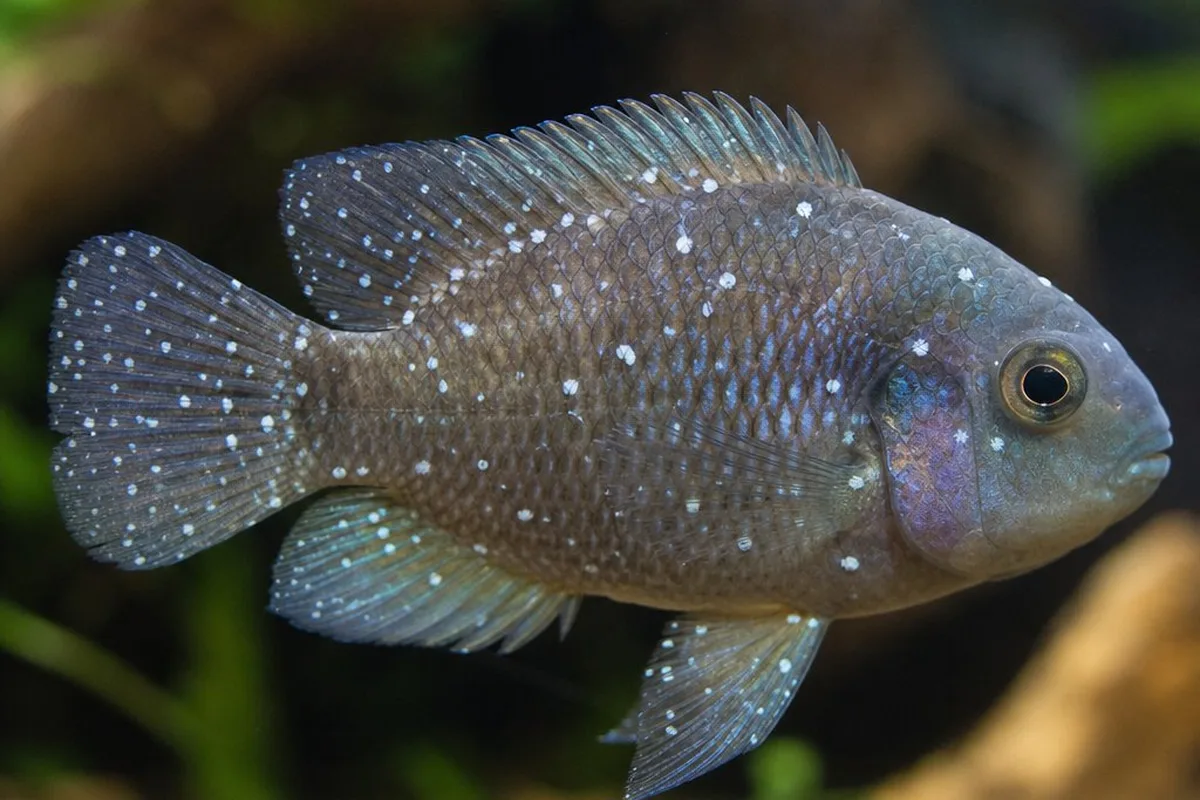
Freshwater Fish: Care Guides & Tank Setup

Freshwater fishkeeping is where most aquarists start — and where some of the most persistent misinformation lives, especially around 'easy' species sold with minimal care instructions. This section covers what popular freshwater fish actually need, beyond what's printed on the store packaging.

What This Section Covers

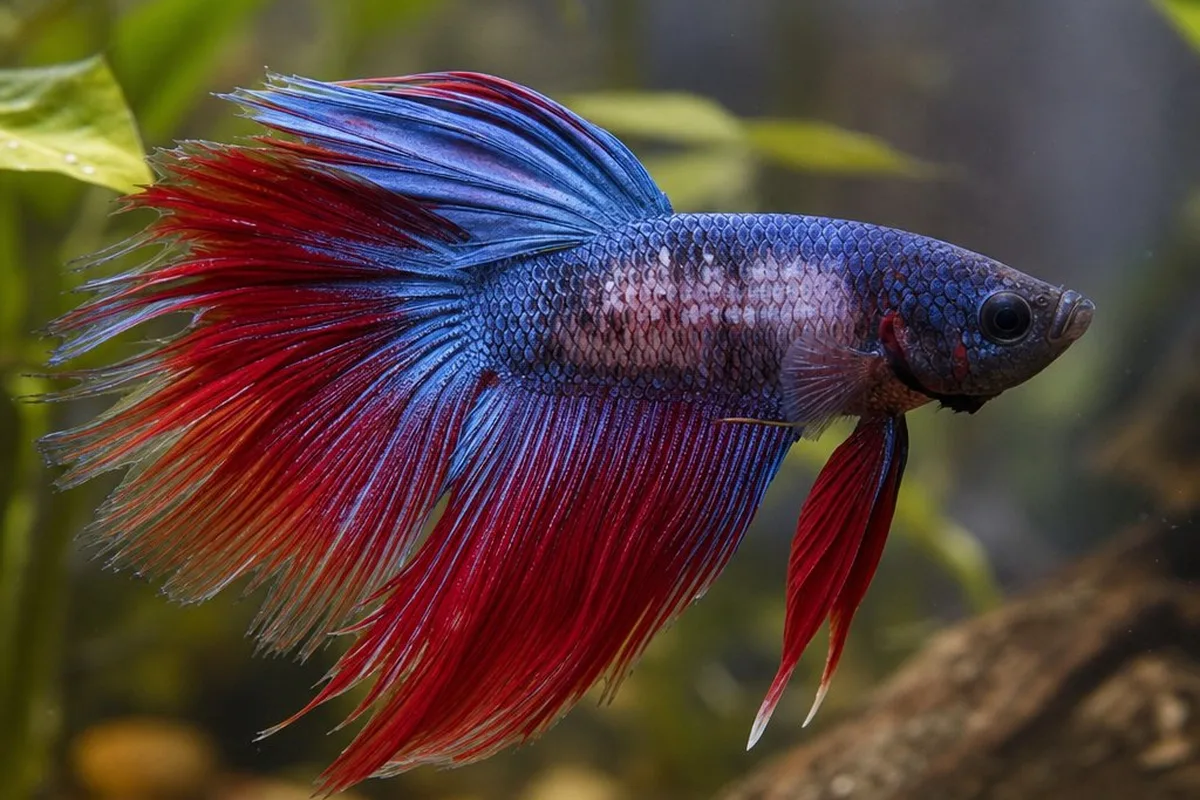
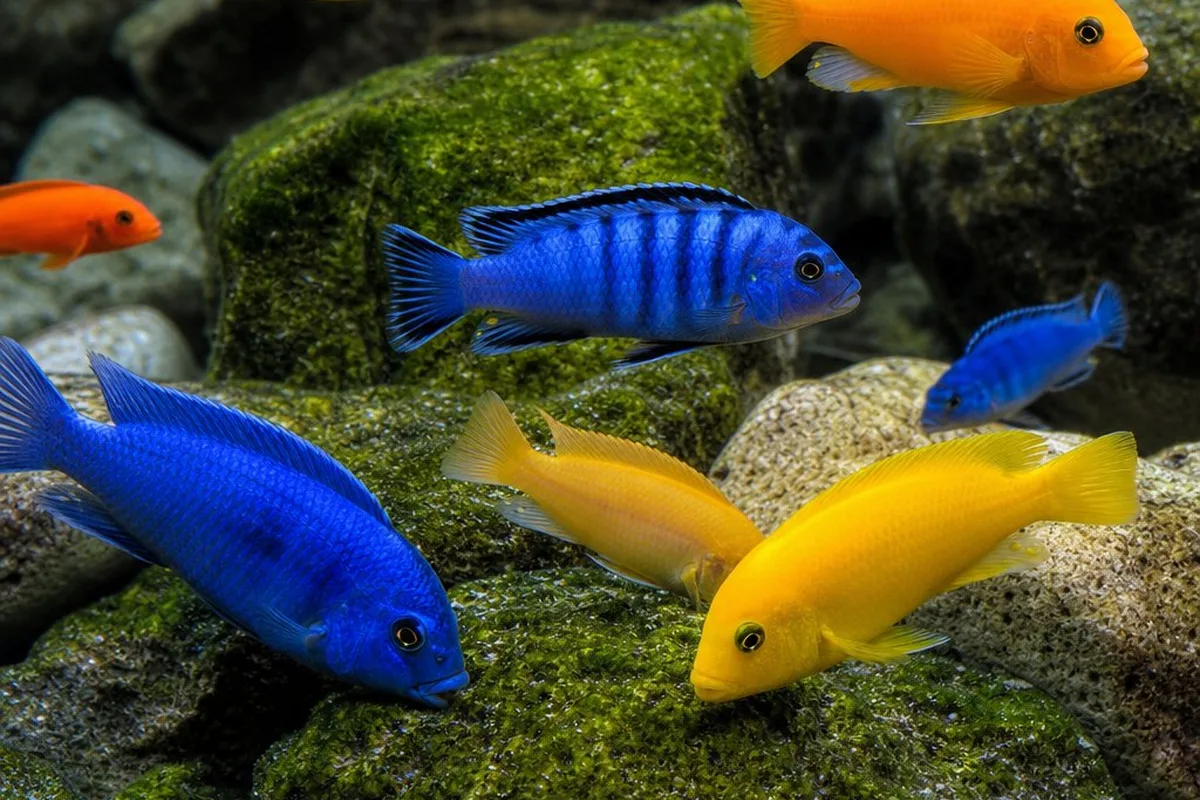
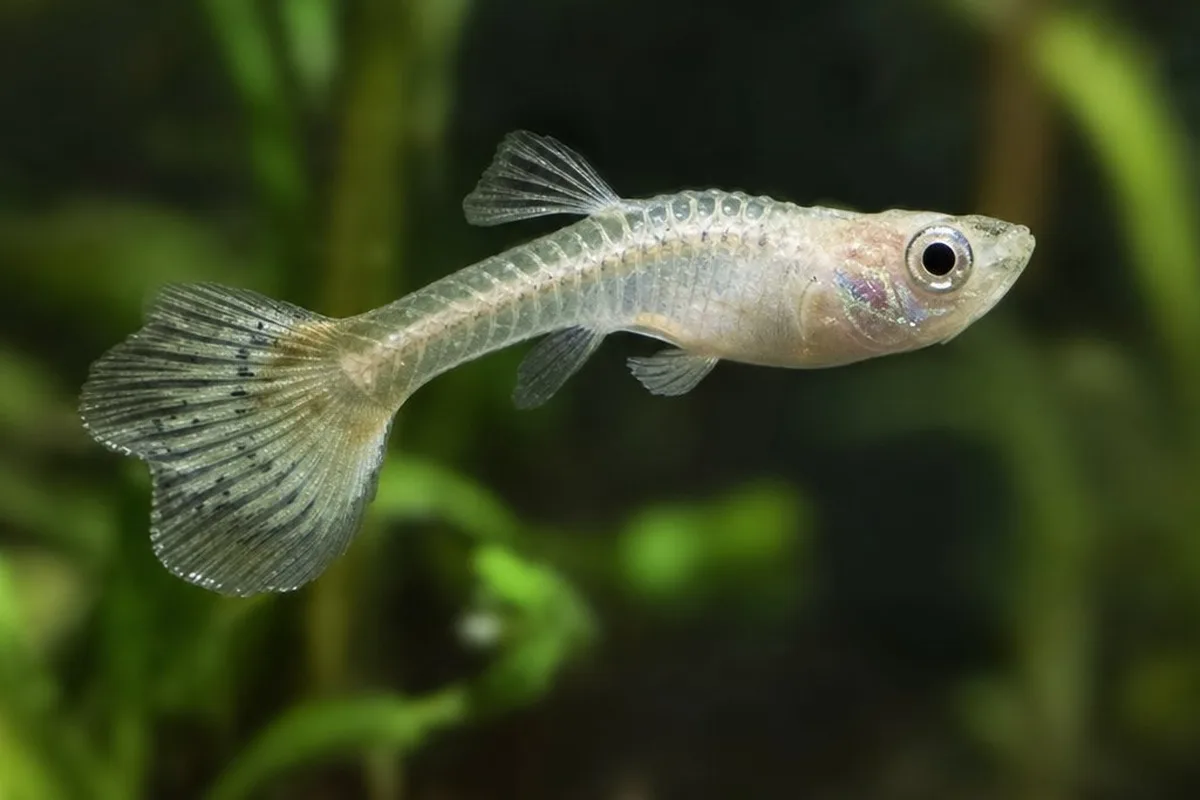
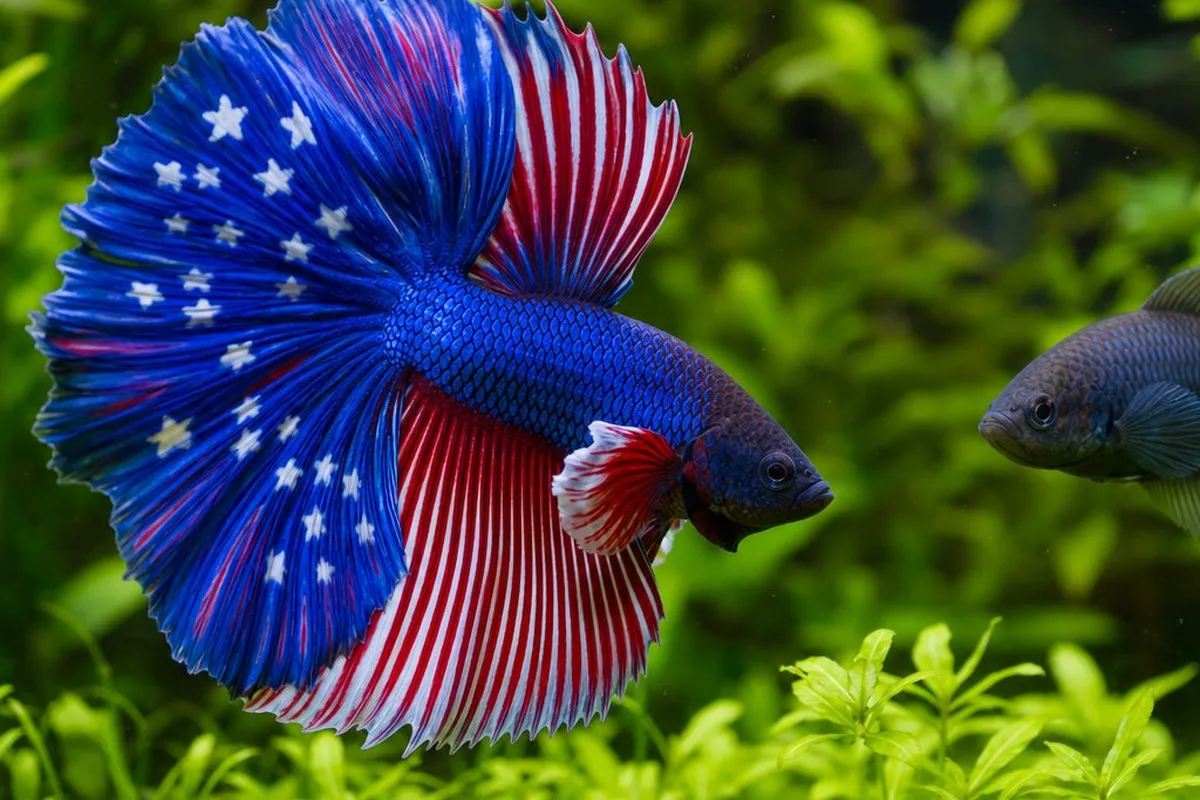
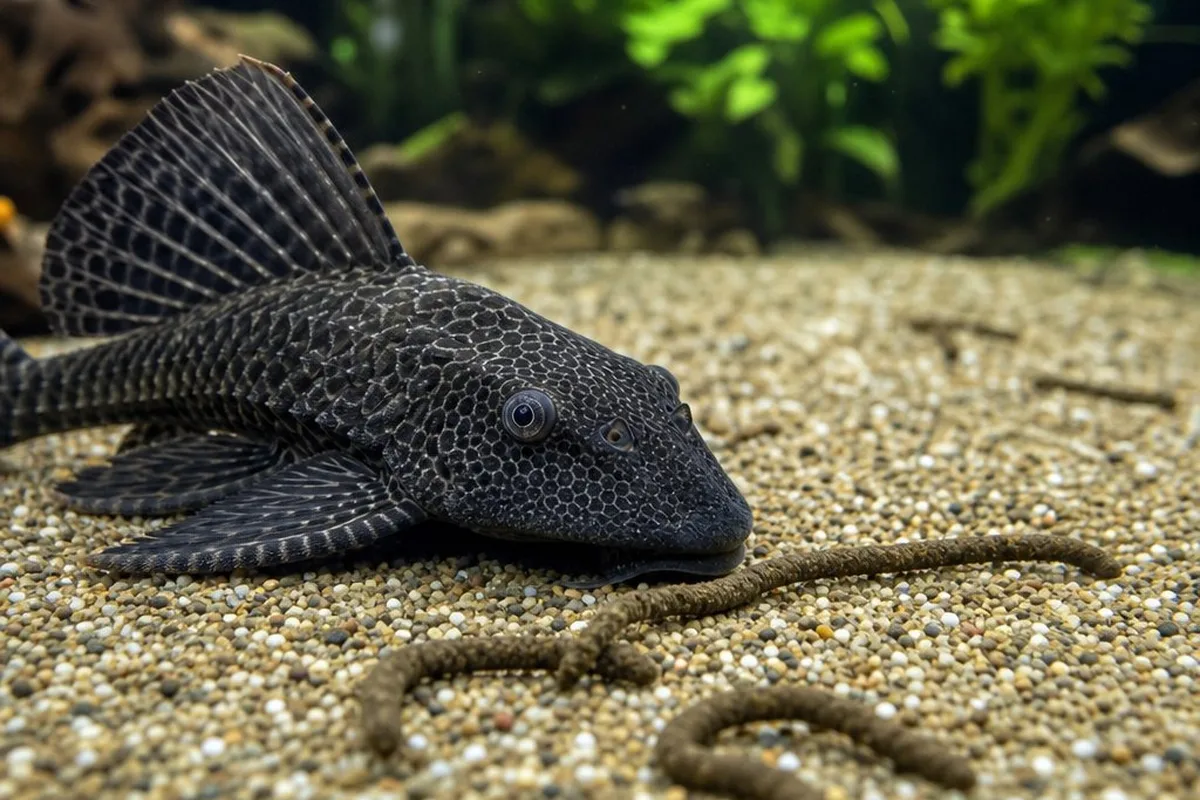
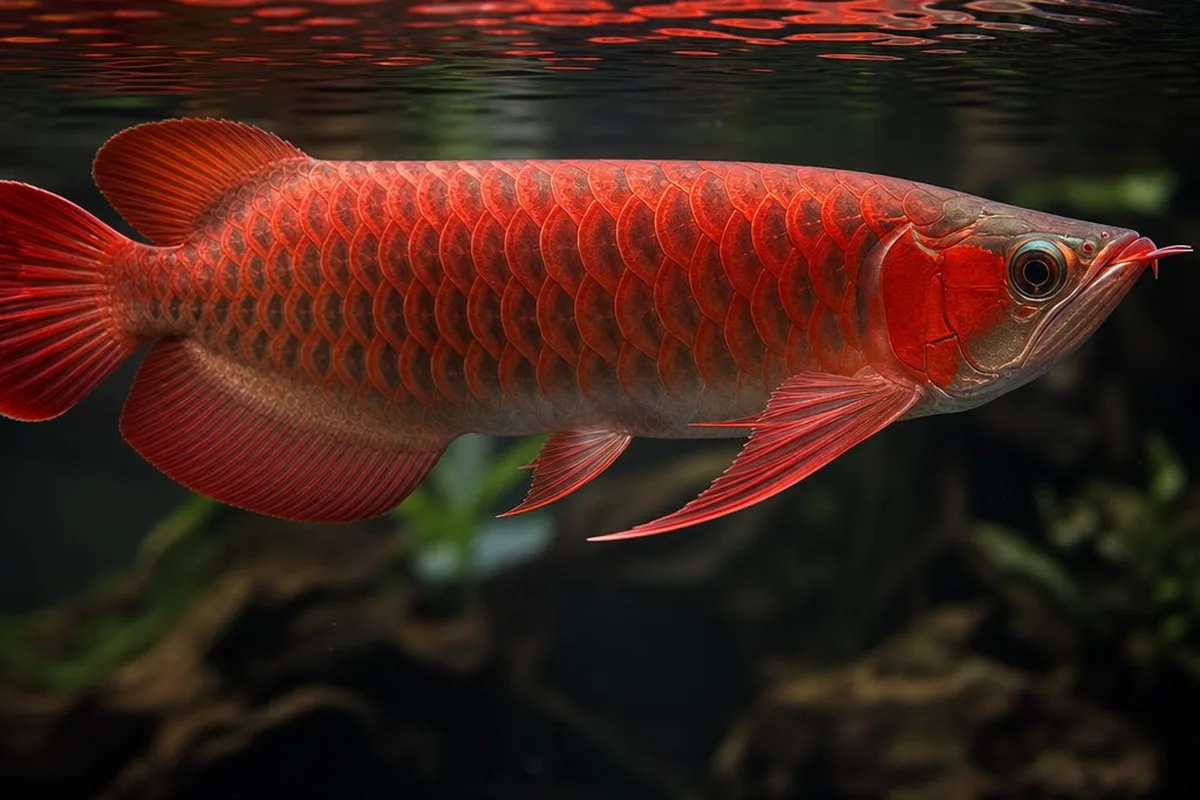
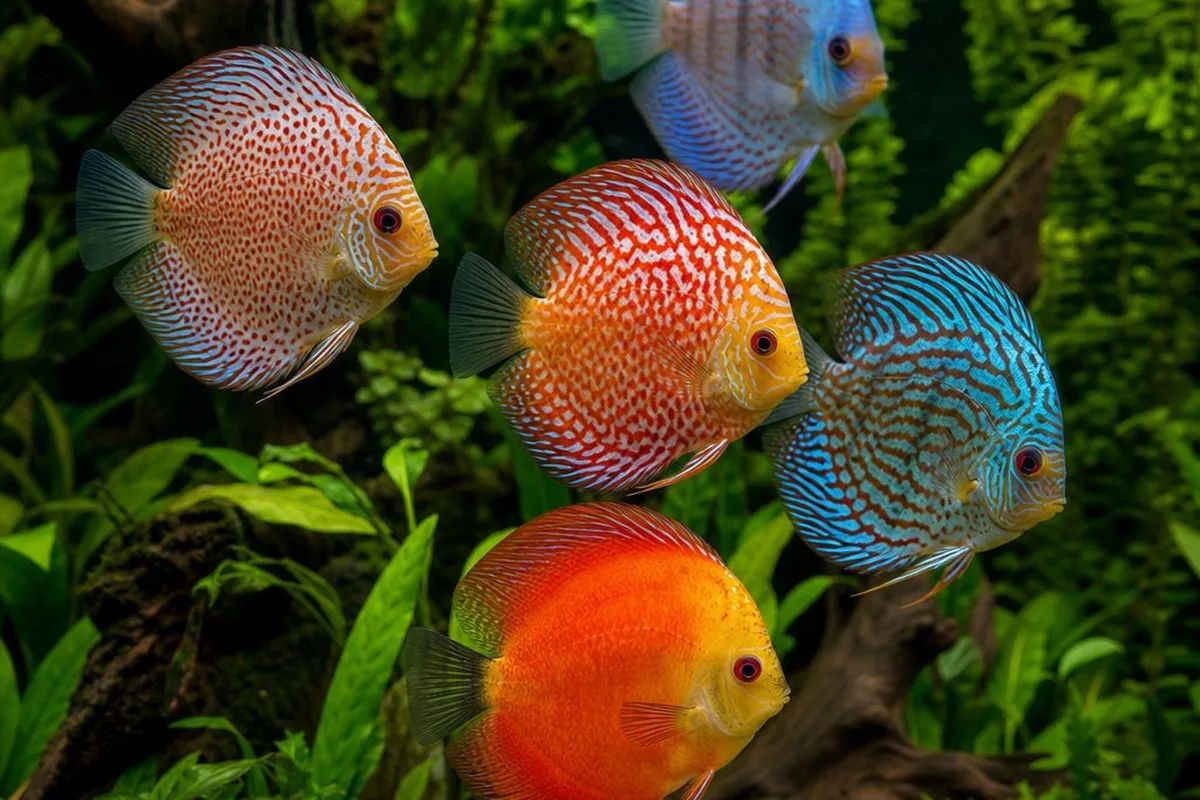
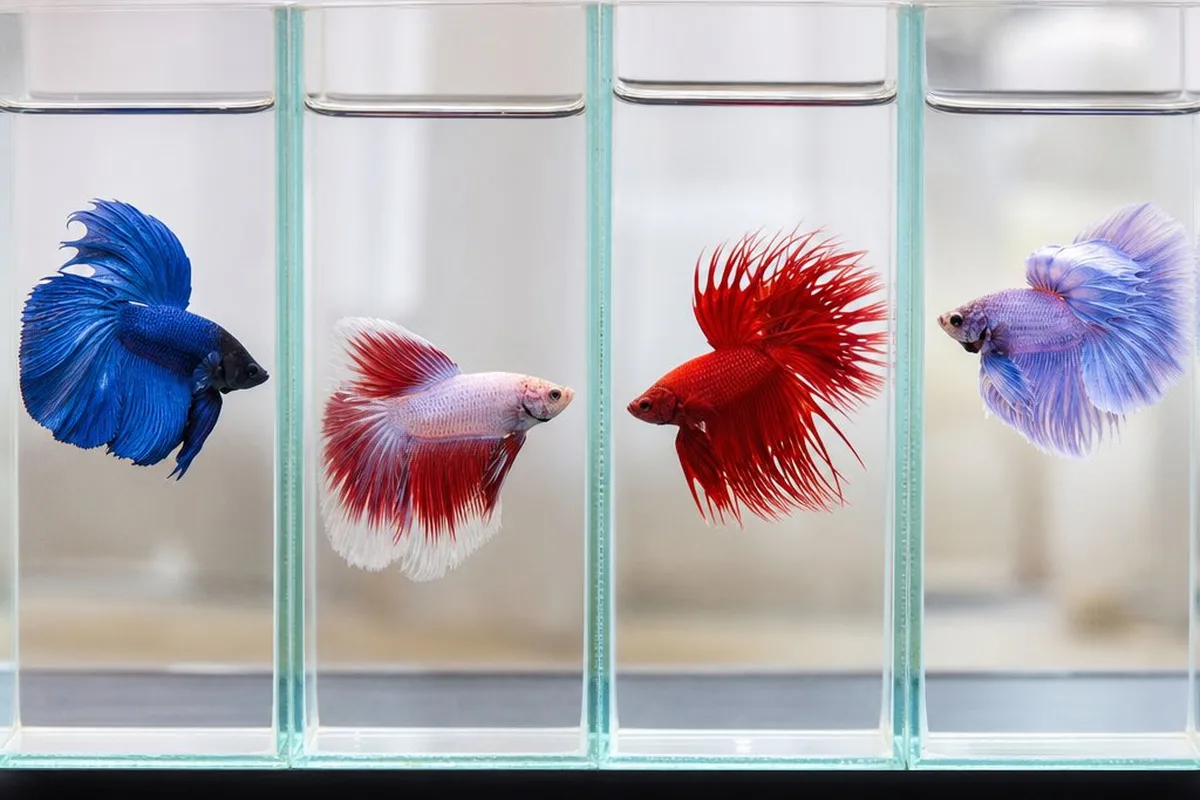
Freshwater fishkeeping spans an enormous range — from a single betta in a 5-gallon tank to large planted community tanks with dozens of species. Rather than generic "top 10 beginner fish" lists, our freshwater guides focus on what a specific species actually needs, including the gaps between store/packaging information and real-world requirements (tank size, heating, water parameters, and realistic tank mate options).

This section is actively expanding — we're working through our freshwater species library to bring every guide up to the same standard as our betta fish care guide: real tank size minimums, accurate water parameters, and an honest look at tank mate compatibility.
Species Guides

Frequently Asked Questions

What's the best freshwater fish for a first tank?

It depends on tank size and goals, but fish that are frequently recommended for genuinely beginner-friendly setups include bettas (in a properly heated, filtered 5+ gallon tank — see our betta care guide), certain peaceful schooling tetras, and corydoras catfish. The common thread among good beginner choices is tolerance for a range of parameters and availability of clear, accurate care information — which, unfortunately, doesn't always match what's printed on store packaging.
Why do so many freshwater 'beginner fish' end up dying within weeks?

In most cases, it's not the fish — it's an uncycled tank (no established beneficial bacteria to process ammonia) combined with care information that understates real requirements (tank size, heating, filtration). Fish marketed as 'low maintenance,' like bettas in cups or goldfish in bowls, are often the most misrepresented in terms of actual long-term needs.