By Hektor Jorgo
"Shrimp" covers a surprisingly wide range of animals in a reef tank context — from popular, intentionally stocked cleanup crew species to one of the most notorious predatory hitchhikers a reef keeper can encounter. Knowing which is which matters.
Short Answer
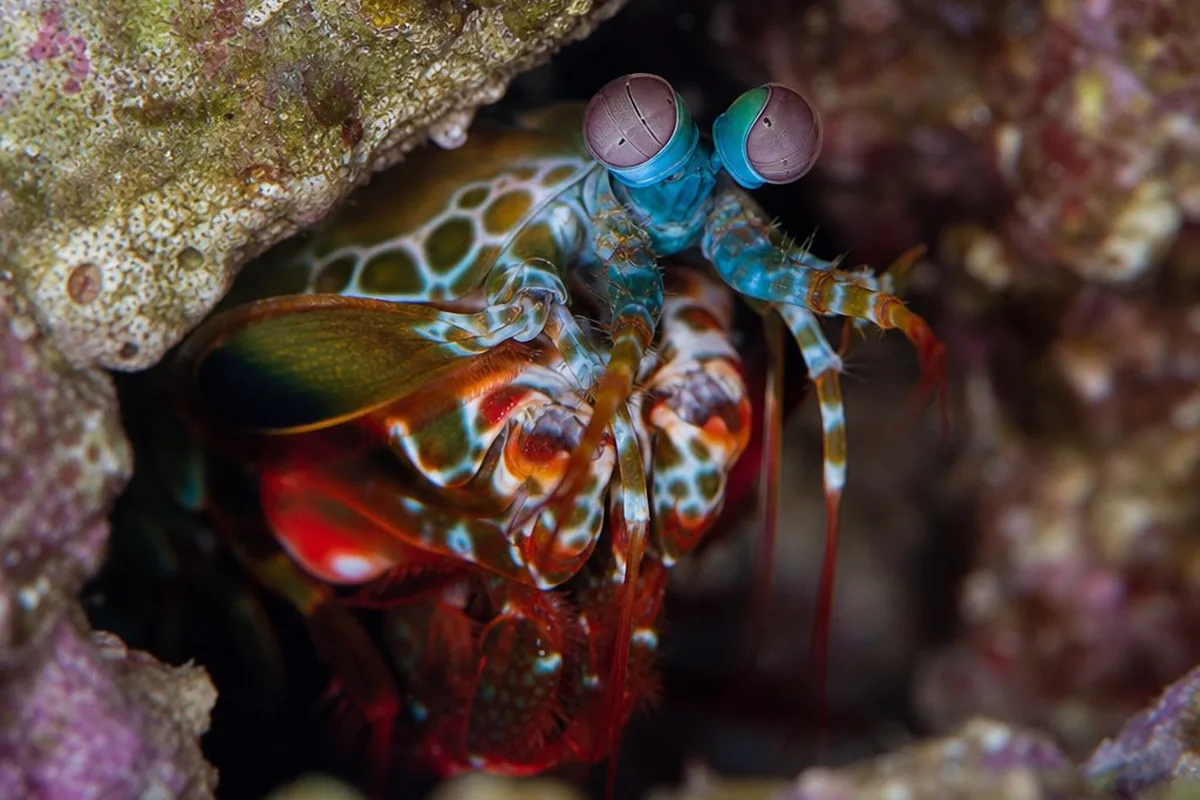
Several shrimp species are popular, generally reef-safe additions to reef tanks — cleaner shrimp, peppermint shrimp, and various brightly colored Lysmata species are the most common. These shrimp are typically purchased intentionally, don't target healthy coral tissue, and can offer genuinely useful behaviors (cleaner shrimp picking parasites from fish, peppermint shrimp's reputation for eating aiptasia). The exception that trips people up is mantis shrimp — despite the shared name, mantis shrimp are aggressive predators that typically arrive as unwanted hitchhikers rather than intentional stock, and they're largely incompatible with the rest of a reef tank's inhabitants, including other shrimp. The practical takeaway: "shrimp" as a category includes both some of the most beneficial and one of the most disruptive animals you might find in a reef tank.
The Popular, Reef-Safe Shrimp Species
A handful of species make up the bulk of intentionally kept reef tank shrimp:
- Cleaner shrimp (Lysmata amboinensis) — perhaps the most iconic, known for picking parasites and dead tissue off fish at informal "cleaning stations," a behavior that's often genuinely observable in a home tank
- Peppermint shrimp — smaller, often added specifically for their reputation as aiptasia eaters
- Fire shrimp, blood shrimp, and other Lysmata species — generally valued for bright red/white coloration and general scavenging behavior
These species share a few traits that support their reef-safe reputation: they're scavengers and opportunistic feeders rather than coral predators, they're generally peaceful toward most tank inhabitants (though see the molting note below), and they've been kept successfully in reef tanks for a long time, giving keepers a good sense of what to expect.
The Exception: Mantis Shrimp
If there's one shrimp-related surprise that catches reef keepers off guard, it's mantis shrimp. Despite the name, mantis shrimp are a completely different category of animal from the cleanup-crew species above — they're fast, powerful predators that most often arrive as hitchhikers on live rock, sometimes going unnoticed for weeks or months while growing.
Our guide on mantis shrimp tank mates covers this in detail, but the short version is: a mantis shrimp is generally incompatible with the rest of a reef tank's inhabitants, including the cleaner and peppermint shrimp described above, which fall well within a mantis shrimp's prey size range. If you're noticing unexplained losses among small cleanup crew — including shrimp you intentionally added — an unnoticed mantis shrimp hitchhiker is worth ruling out.
Molting and Vulnerability
Like all crustaceans, reef shrimp molt periodically as part of normal growth — shedding their exoskeleton and forming a new one. During and shortly after a molt, a shrimp's new shell is soft and the animal is more vulnerable than usual, similar to the vulnerability period described for emerald crabs in reef tanks. This is a normal part of the shrimp's life cycle, not a sign of a problem, but it's worth keeping in mind when evaluating tank mate compatibility — a tank that's generally fine for an adult shrimp day-to-day might pose more risk during a molt.
Breeding and "Baby" Shrimp
It's not unusual for keepers to notice a cleaner shrimp carrying a mass of eggs, or to spot something tiny and shrimp-like in the tank and wonder if it's a baby shrimp. In most cases, reef shrimp larvae require planktonic rearing conditions that a typical reef tank doesn't provide, so visible "baby shrimp" surviving to adulthood in the display tank is uncommon — covered in more detail in our guide on baby cleaner shrimp.
Quick Reference
- Cleaner shrimp, peppermint shrimp, and other Lysmata species are popular, generally reef-safe additions
- Cleaner shrimp are known for picking parasites/dead tissue off fish at "cleaning stations"
- Peppermint shrimp have a reputation for eating aiptasia, though results vary
- Mantis shrimp are a very different animal — predatory hitchhikers, not reef-safe cleanup crew
- Reef shrimp molt periodically and are more vulnerable during and just after a molt
- Reef shrimp can carry eggs, but visible surviving "baby shrimp" in the display tank is uncommon
- Unexplained cleanup crew losses can sometimes point to an unnoticed mantis shrimp hitchhiker