Aquarium Equipment & Troubleshooting

Equipment problems are some of the most common reasons people end up searching for aquarium help — a filter that's not pumping like it used to, a pump that's gone quiet, or a tank that's been without power for longer than expected. This section covers the practical side: what's actually wrong, what to check first, and how to set things up so the same issue doesn't keep coming back.

Equipment Problems Are Usually Fixable, Not Fatal

A piece of equipment acting up — reduced flow, unusual noise, or a tank that went dark during a storm — tends to feel more urgent than it usually is. Most of the time, the cause is one of a small set of recurring issues: something wasn't reassembled quite right after maintenance, placement is creating an uneven result, or a routine maintenance step got skipped or overdone. None of these usually mean the equipment has failed.

What This Section Covers

These guides focus on the practical, diagnostic side of aquarium equipment — what a given symptom usually means, what to check first, and how setup choices (placement, maintenance schedules) prevent the same issue from recurring.

Guides

Frequently Asked Questions

My filter seems to be running, but something feels off — where do I start?

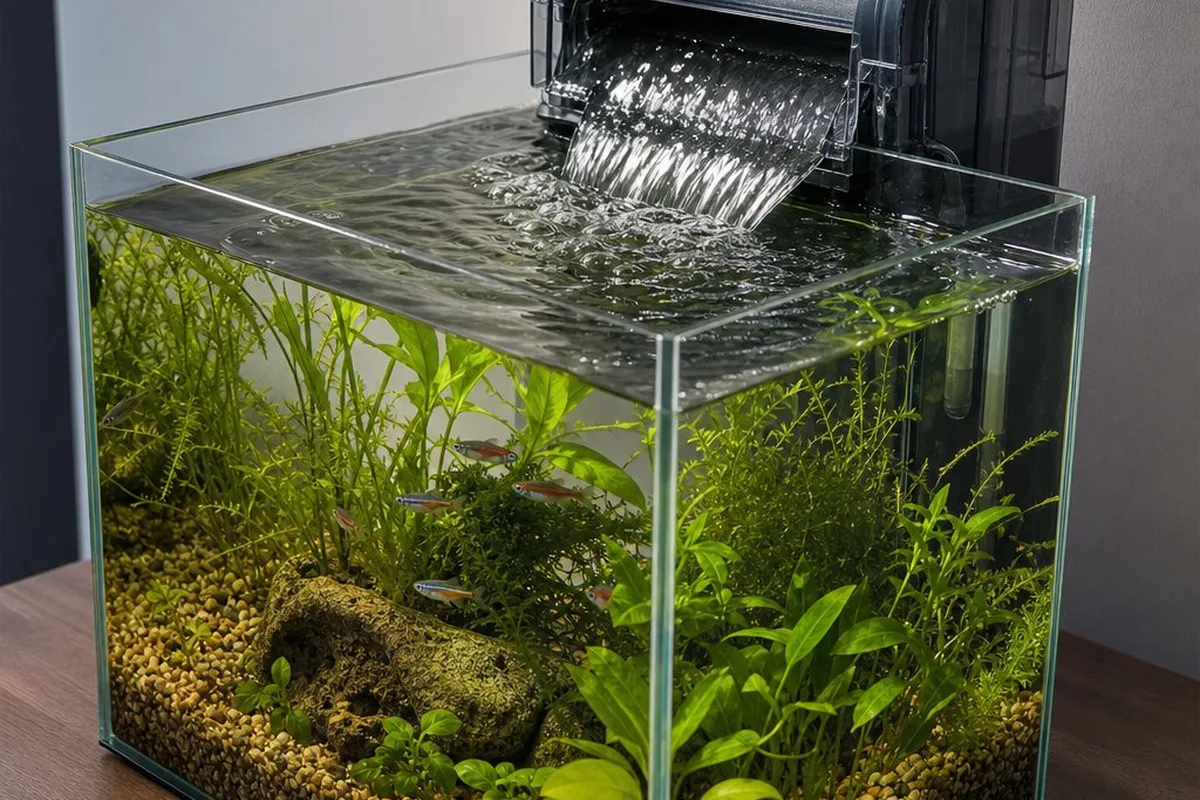
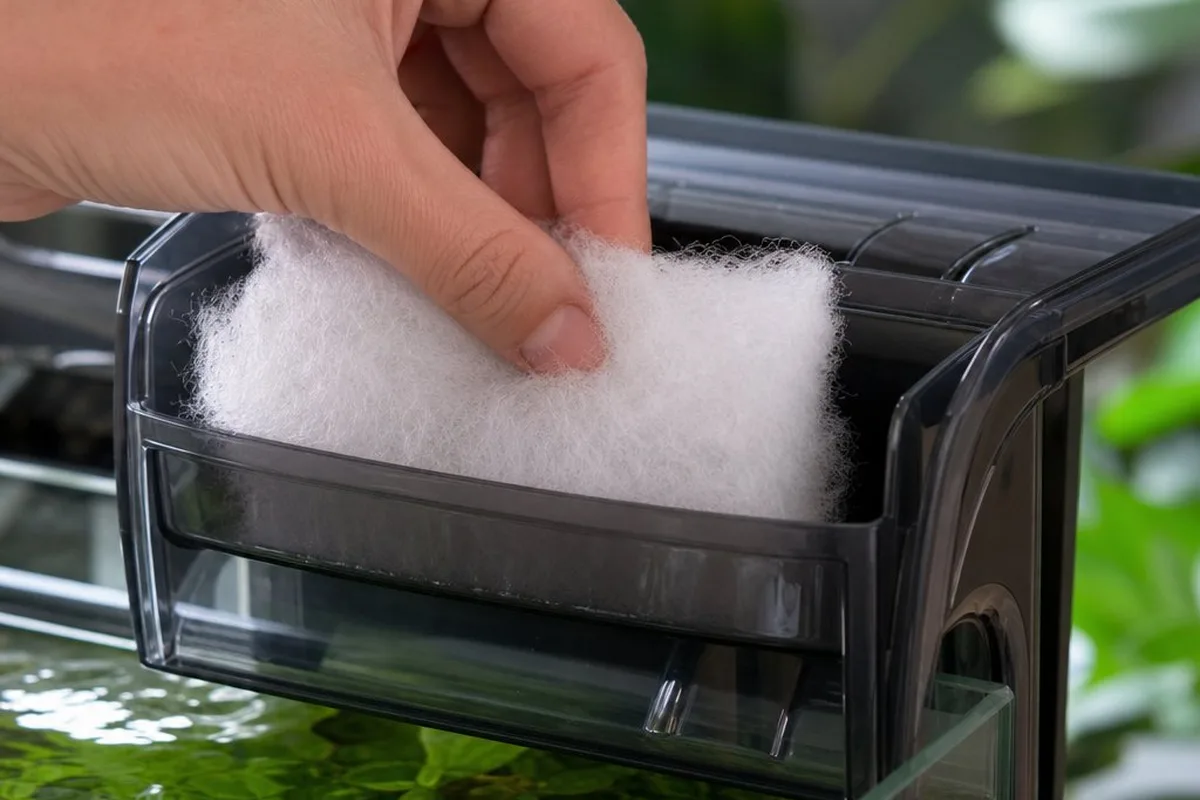
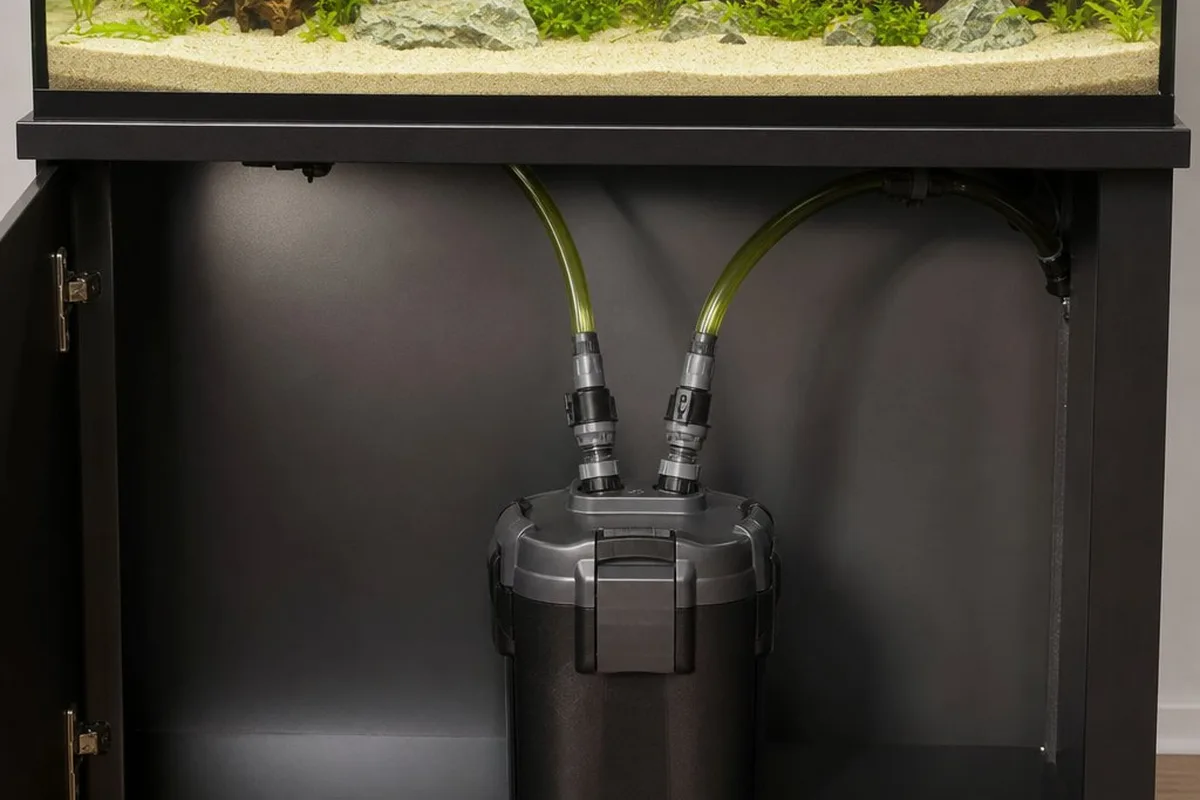
Start with what changed recently. If the filter was just cleaned, our guide on filters not working properly after cleaning covers the most common causes — trapped air, an unseated impeller, or a temporary biological 'mini-cycle.' If nothing was recently touched but flow or distribution seems uneven, intake and outlet placement is worth a look, since it affects dead spots and debris distribution even when the filter itself is working correctly.

What should I do to prepare for a power outage or equipment failure?

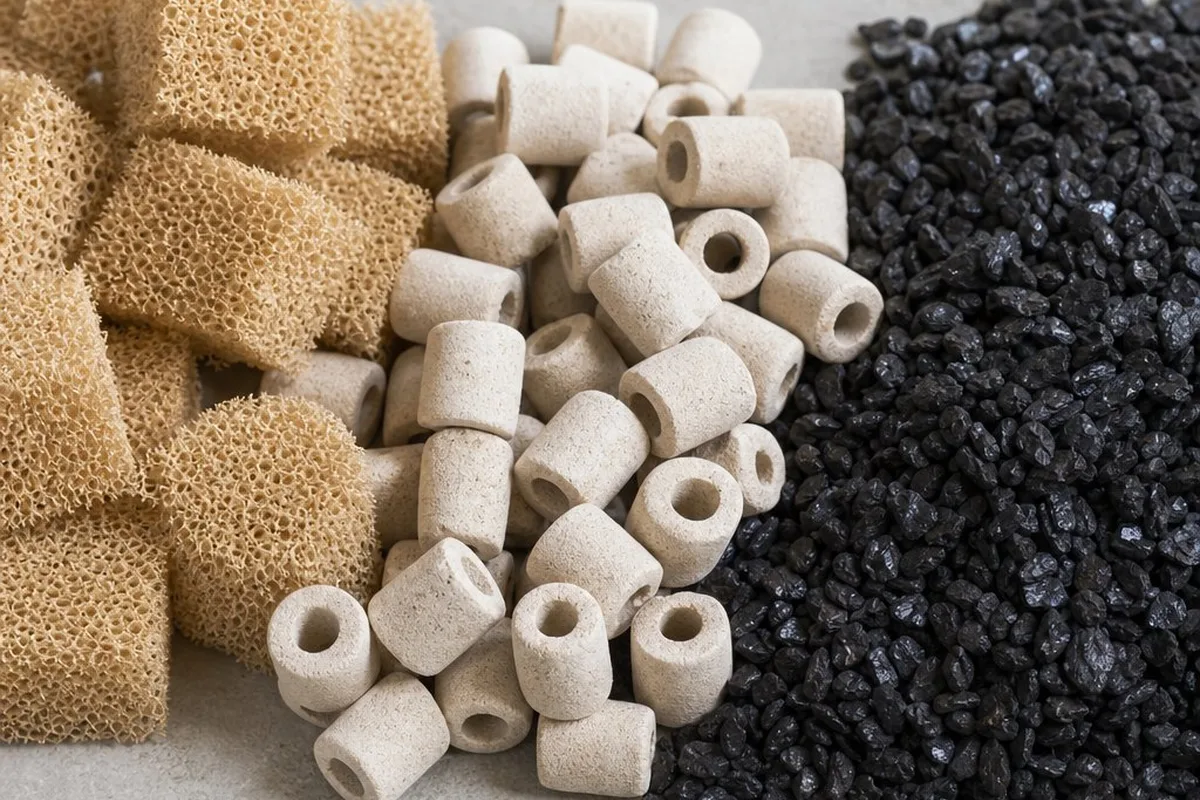
The most useful preparation is understanding how much time you actually have, covered in our guide on how long fish can go without an air pump or filter — for most tanks it's more time than people assume, but it varies by stocking and tank size. Keeping a battery-powered air pump on hand is a low-cost step that directly addresses the most time-sensitive part of an outage (oxygen), and understanding your filter media replacement routine helps you recognize a biological 'mini-cycle' if one shows up afterward.