Fish Facts & FAQs: How Fish Actually Work

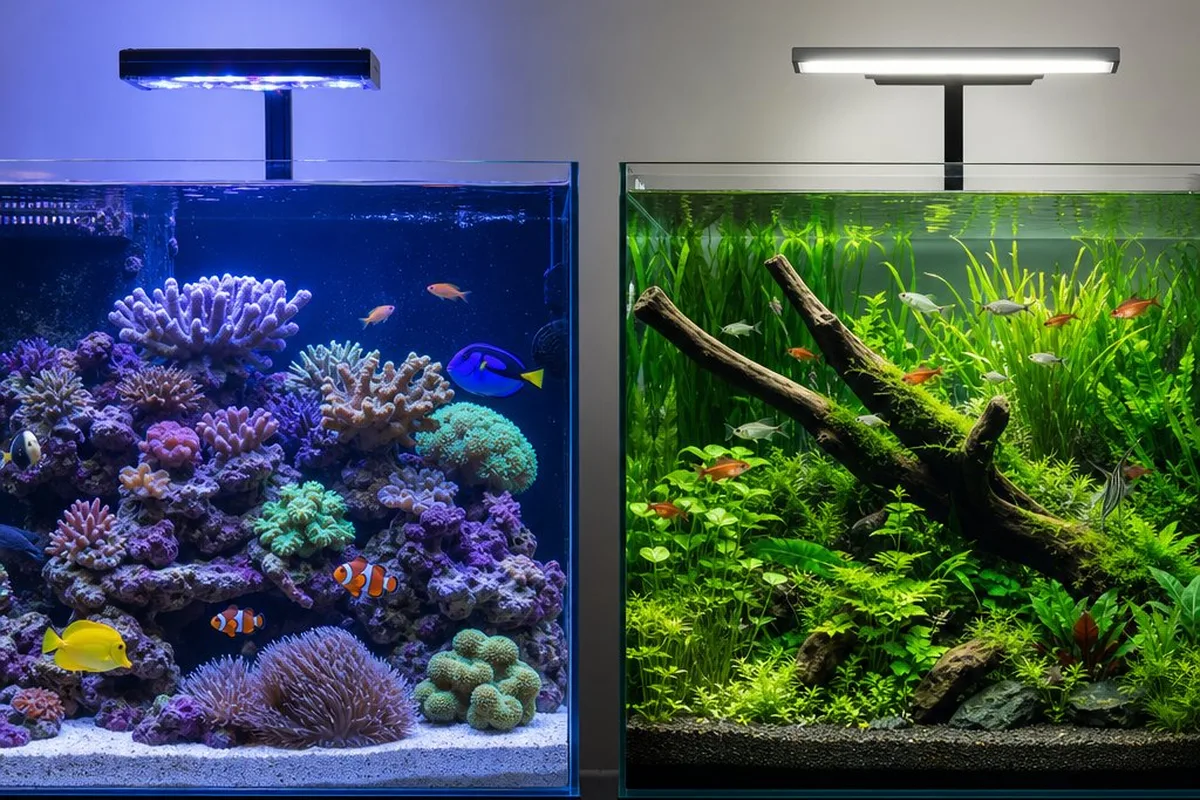
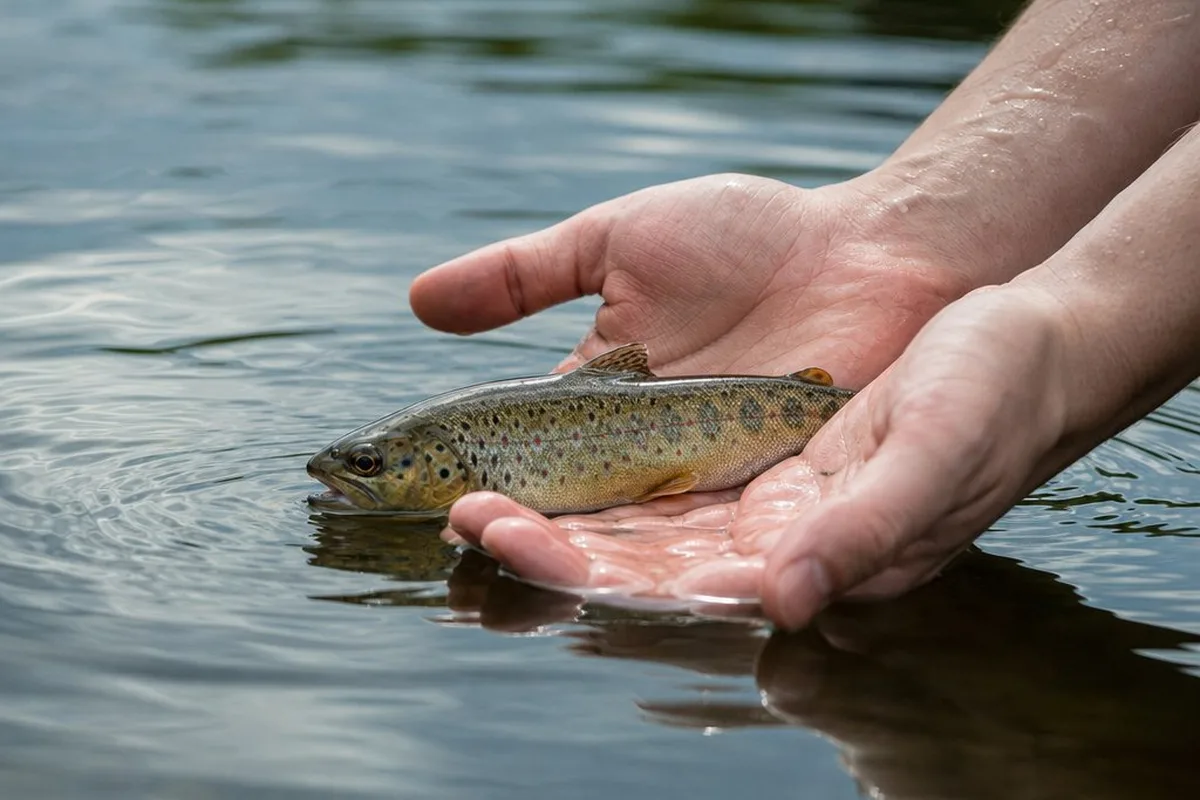
Some of the most common fish-related questions aren't about a specific species or tank setup — they're basic 'how does this actually work' questions about fish themselves. This section answers those questions directly, with the biology and physics behind them, so the explanations hold up beyond a one-line answer.

What This Section Covers

These are the questions that come up when you're just sitting and watching your tank — why a fish does what it does, what it can actually perceive, how its body works compared to ours. Each guide gives a direct, biology-based answer rather than a one-line guess, and connects back to practical fishkeeping considerations where relevant.

Guides

Frequently Asked Questions

Why do these questions matter for someone keeping fish, not just out of curiosity?

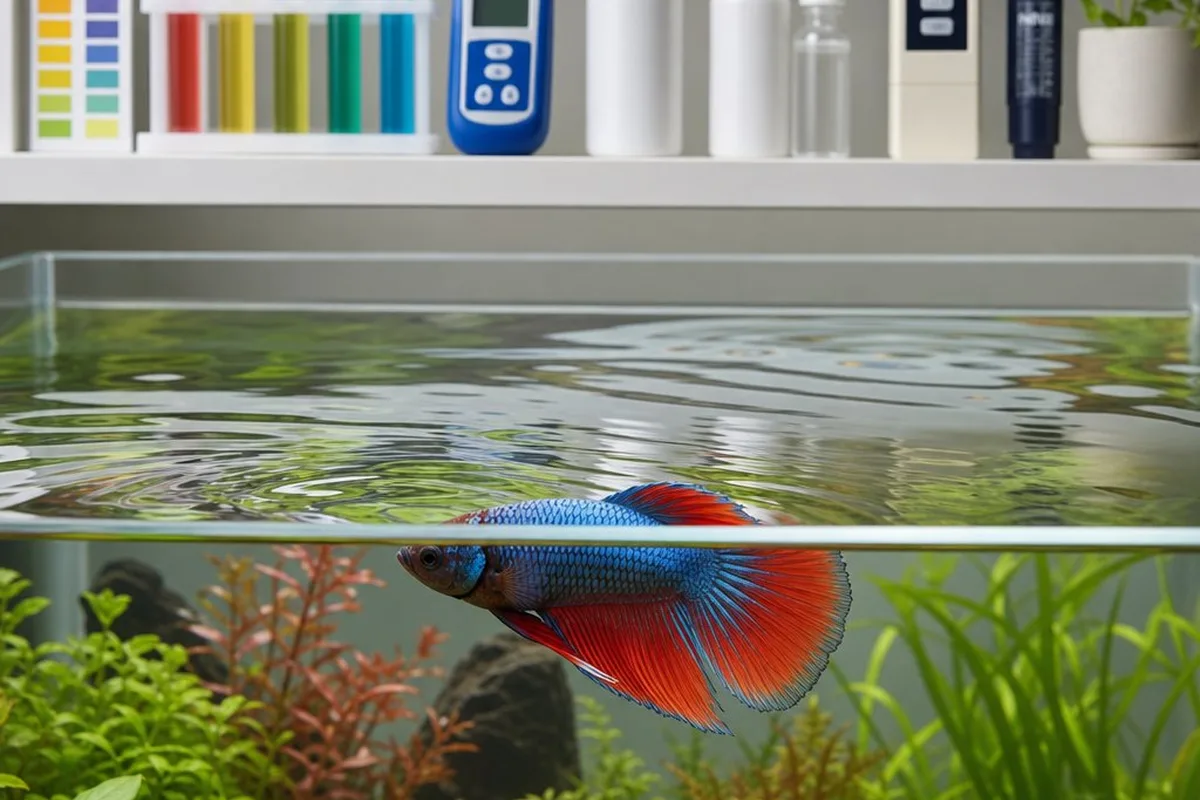
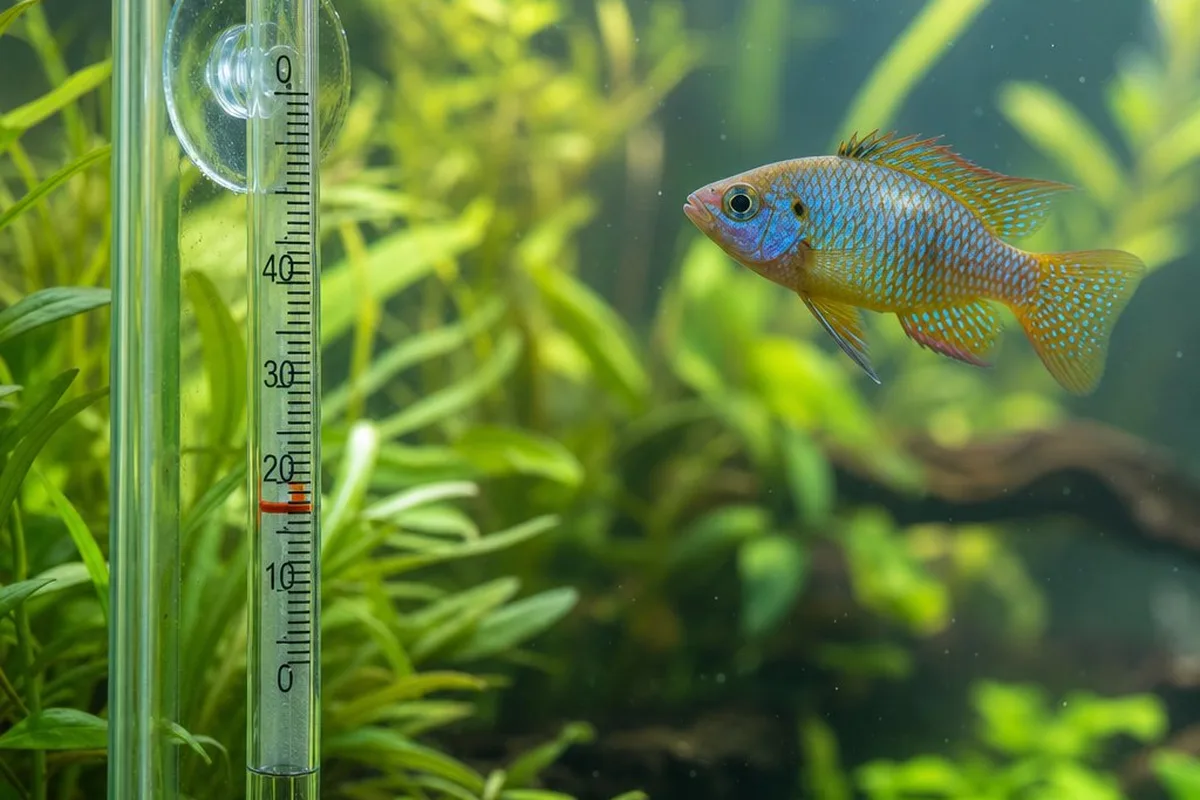
A lot of practical fishkeeping decisions trace back to these basics. Understanding why fish can't breathe air explains why surface gasping is a water-quality signal worth acting on. Understanding how temperature affects fish explains why sudden temperature swings during water changes matter more than people expect. Even something like what a fish sees from inside the tank connects to real considerations about tank placement and reducing stress. The biology isn't just trivia — it's the reasoning behind a lot of the 'best practices' that get repeated without always being explained.

Are these questions answered the same way for every fish species?

The underlying mechanisms — how gills work, ectothermic temperature regulation, gill-based absorption of dissolved substances — are broadly shared across fish, but specifics vary by species, sometimes significantly. Labyrinth fish like bettas are a notable exception to the 'gills only' respiration pattern, for example. Where species-specific detail matters, these guides point to the relevant species profiles — but the core explanations here are about the general biology that applies across the hobby, which is the part that's often missing from quick one-line answers elsewhere.