By Hektor Jorgo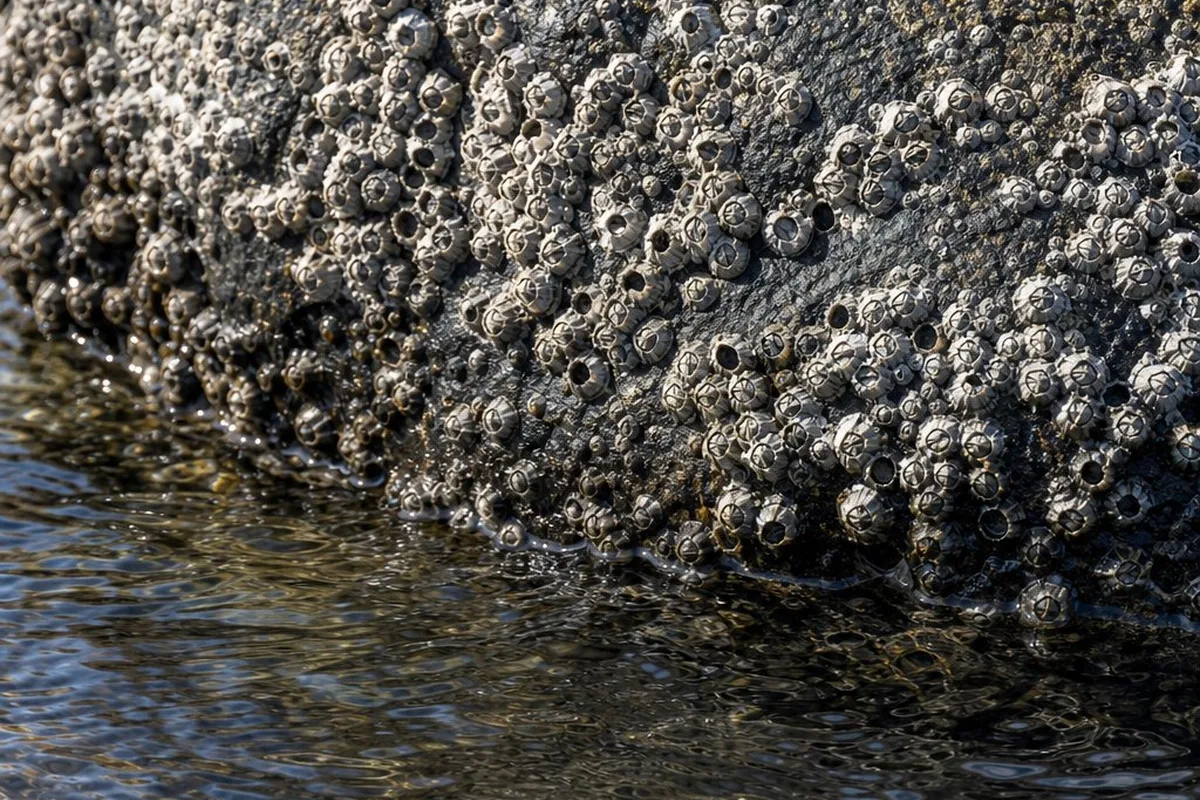
Barnacles get lumped in with a lot of "things at the beach that might hurt you," somewhere between sea urchins and jellyfish in the mental list of tide-pool hazards. The reality is much less dramatic — and the actual classification of a barnacle is more surprising than any supposed danger.
Short Answer
Barnacles are not poisonous or venomous in any way. There's no sting, no toxin, and no chemical defense to worry about from touching one. The real (minor) risk is mechanical — barnacle shells have sharp edges, and scraping against a barnacle-covered surface can cause cuts, sometimes called "barnacle rash." Separately, some barnacle species are eaten as food, where the relevant consideration is the same one that applies to any filter-feeding shellfish: what they may have absorbed from the water they were filtering, not any inherent toxicity.
The Real Risk: Sharp Shells, Not Toxins
Barnacles encase themselves in hard calcareous plates with edges that are often rough or sharp — useful for the barnacle (protection, anchoring) but unpleasant for anything that brushes against a barnacle-covered rock, piling, or boat hull. These scrapes are a common minor injury at beaches and docks. They're not dangerous in themselves, but like any cut sustained in a marine environment, cleaning the wound promptly is a reasonable precaution against infection — the barnacle itself isn't the source of any added risk beyond the cut.
Can You Eat Them?
Some species, yes. Gooseneck barnacles are harvested and eaten in some coastal cuisines — known as percebes in Spanish and Portuguese cooking, prepared similarly to other shellfish. The common acorn barnacles seen crusting rocks and pilings aren't typically harvested for food, mostly because of their small size relative to the effort involved. For any wild-harvested filter feeder, the food-safety question is about water quality where they were living — filter feeders can accumulate contaminants from polluted water — which is a separate issue from the animal itself being toxic.
The Surprising Part: Barnacles Are Crustaceans
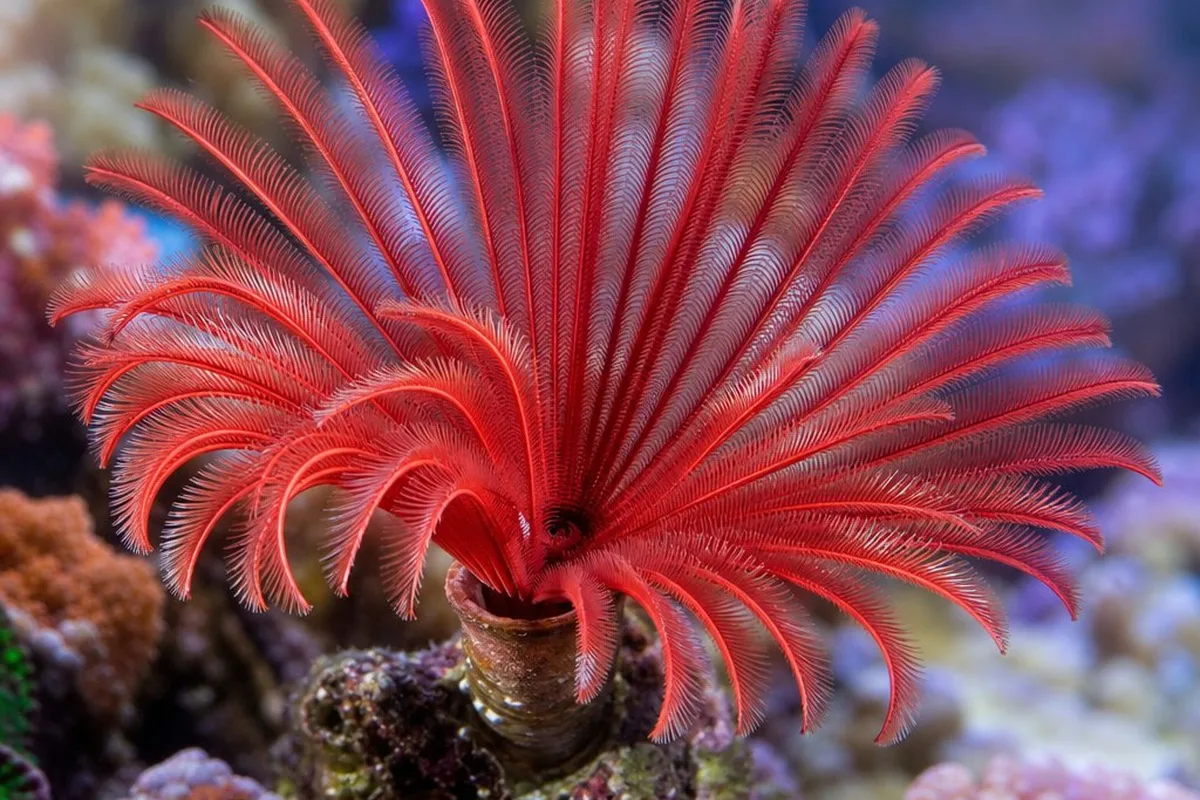
If there's a genuinely surprising fact buried in "are barnacles dangerous," it's this: barnacles are crustaceans — relatives of crabs, shrimp, and lobsters. As adults, they're permanently attached to a surface and encased in plates, which makes them look more like something in the mollusk world (the same kind of mix-up covered in our guide to whether a conch is a mollusk or crustacean, just in reverse). But barnacle larvae are free-swimming and recognizably crustacean-like, and adult barnacles extend feathery, jointed appendages called cirri from their shell to filter-feed — a crustacean's limbs, repurposed for a permanently-attached lifestyle rather than walking or swimming.
Do Barnacles Harm What They Attach To?
It depends on the surface:
- Boat hulls — heavy barnacle growth ("fouling") increases drag and fuel use, a maintenance issue addressed with antifouling coatings
- Rocks and pilings — barnacles are simply part of the natural intertidal ecosystem
- Living animals — the most commonly asked follow-up is about barnacles on whales specifically, which has its own nuances covered in our guide to whale barnacles
Quick Reference
- Barnacles have no venom, sting, or toxin — touching one isn't poisonous
- Sharp shell edges can cause cuts ("barnacle rash") — a mechanical risk, not a toxic one
- Some species (gooseneck barnacles) are eaten in certain cuisines
- Barnacles are crustaceans, despite their immobile, plated adult appearance
- Adult barnacles filter-feed using crustacean limb structures (cirri)
- Barnacle fouling on boat hulls is a drag/fuel issue, addressed with antifouling paint