By Hektor Jorgo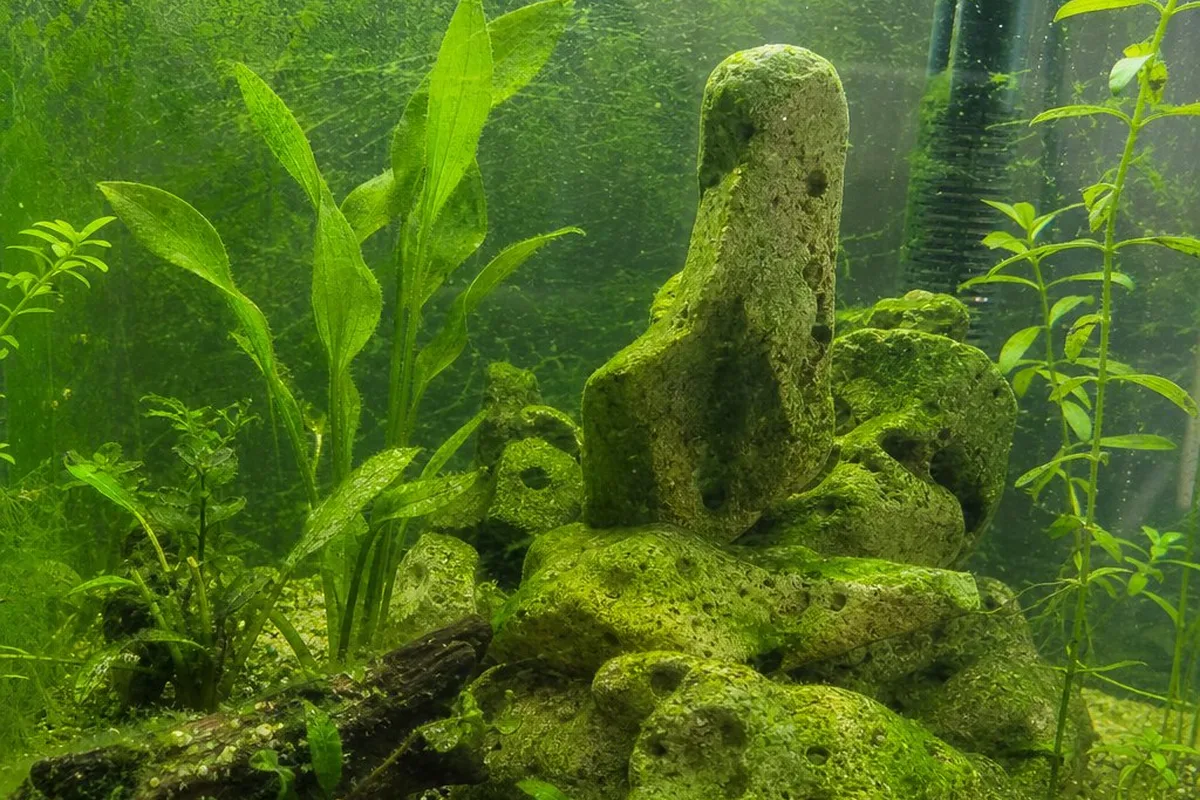
Open almost any aquarium forum thread that starts with "is this normal?" and there's a good chance it's about algae. That's not a coincidence — algae is the most universal "issue" in the hobby, affecting brand-new tanks and decade-old setups alike. The good news is that algae is rarely a problem in its own right. It's a symptom of the balance between light, nutrients, and the organisms (plants, algae-eaters, bacteria) competing for them — which means the fix is almost always about adjusting that balance, not declaring war on the algae itself.
Direct Answer: Algae Is a Symptom, Not the Problem
If you're looking at algae and wondering what to do, the most useful first question isn't "how do I kill this" — it's "what changed, or what hasn't been balanced yet." Algae needs light and nutrients (primarily nitrogen and phosphorus compounds) to grow, exactly like aquarium plants do. When there's more of either available than your plants, fish, and filtration are using up, algae — which is generally faster-growing and less picky than most aquarium plants — takes advantage of the surplus.
This reframing matters because it changes what "fixing" algae looks like. Scraping algae off the glass, doing an extra water change, or adding an algae-eating fish can all help in the moment, but if the underlying light/nutrient surplus is still there, algae will simply regrow to fill the gap. The durable fix addresses the surplus itself.
The Main Types You'll Actually See
Algae isn't one thing, and different types respond to different fixes. The most common types in home aquariums:
- Green film and spot algae — thin green coatings on glass, decor, and slow-growing leaves. Usually the first sign of a light/nutrient surplus and often the easiest to manage with routine cleaning and small adjustments.
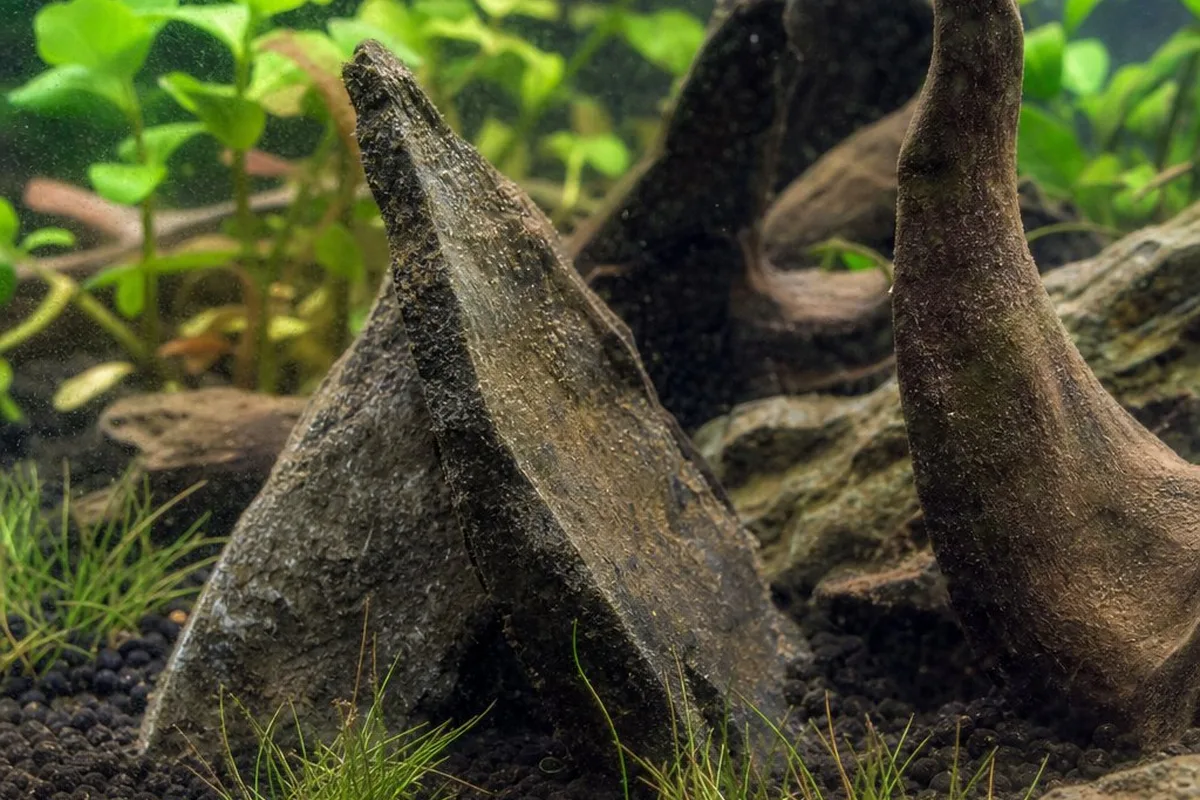
- Brown algae (diatoms) — a brownish, dusty film that's extremely common in new tanks during the first few weeks of cycling. See our guide on how long it takes algae to grow for the typical new-tank timeline.
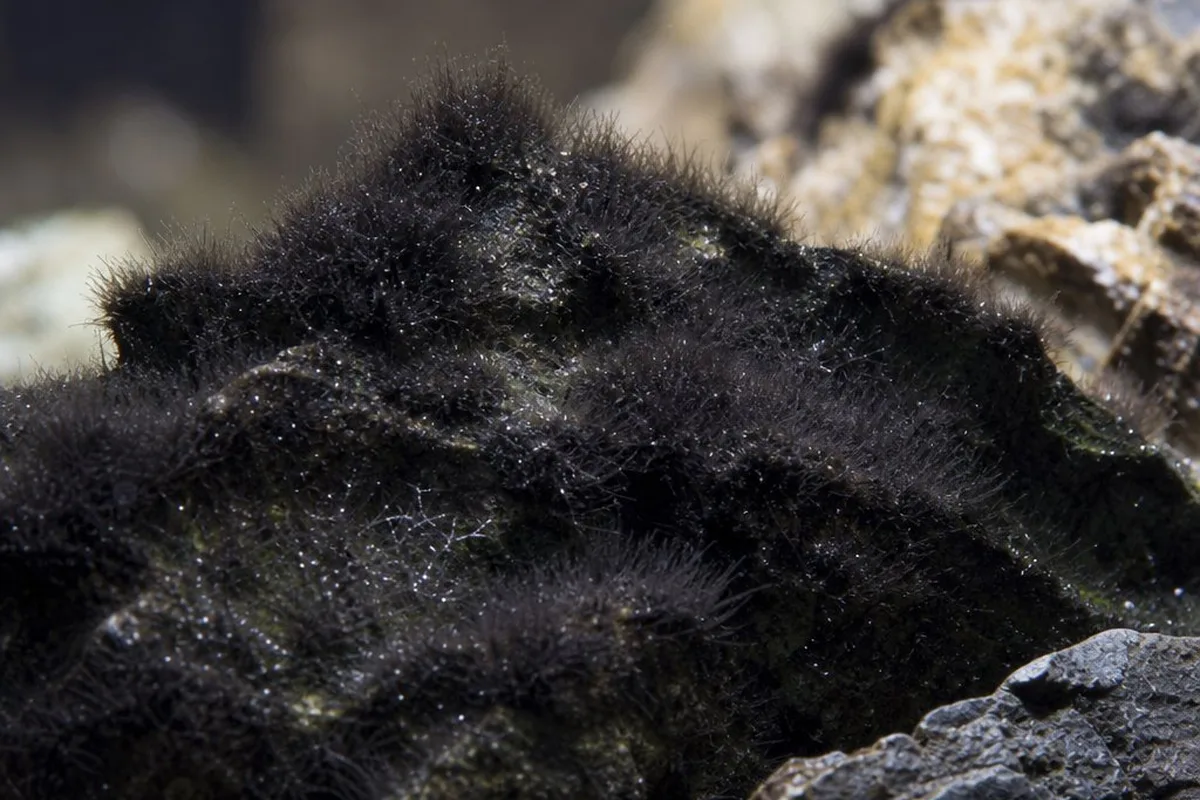
- Black beard algae (BBA) — dark, tough, hair-like tufts that are notoriously resistant to algae-eaters and manual removal alone, often linked to fluctuating CO2 or organic matter.
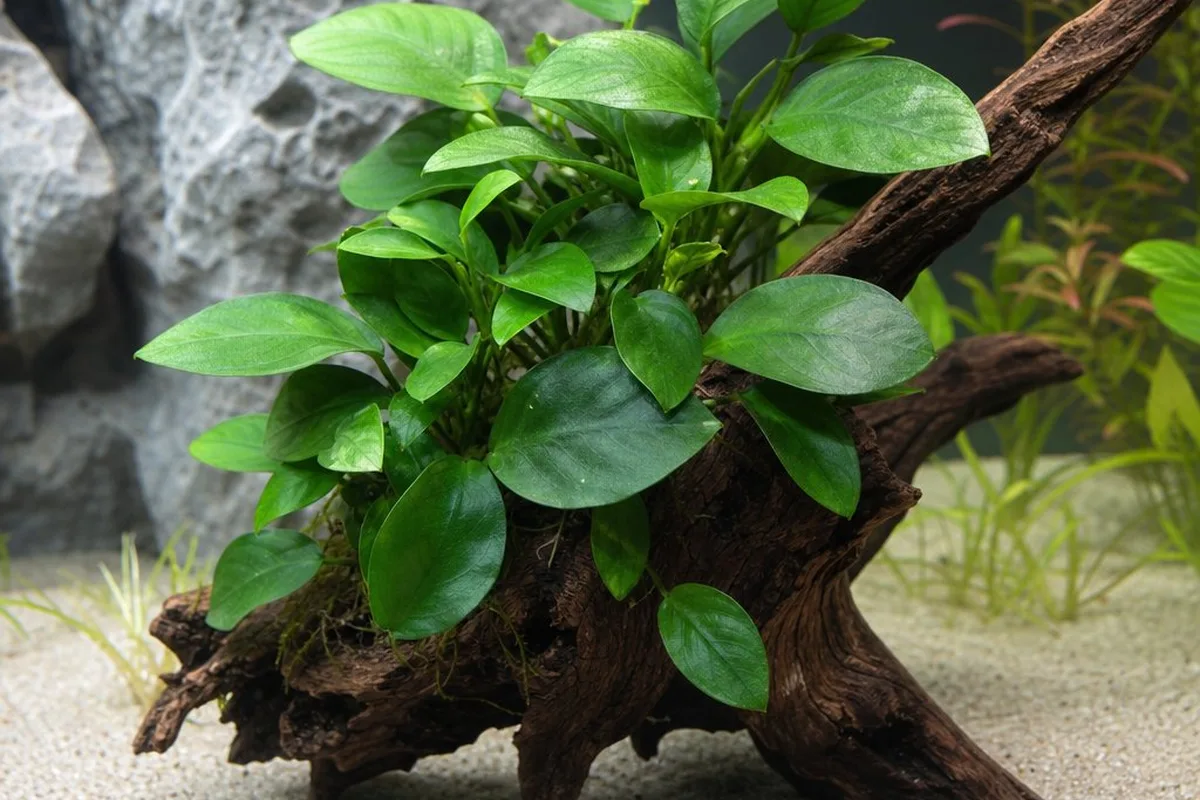
- Green spot algae (GSA) — small, hard, circular green spots, often on glass and slow-growing leaves (anubias, java fern), frequently linked to low phosphate relative to other nutrients or aging bulbs.
- Cyanobacteria ("blue-green algae") — not a true algae at all, but bacteria that often forms slimy films or dark tufts in low-flow areas. Our Calothrix algae guide covers identification and treatment for one common type, and our grey algae guide covers another frequently-confused film type.
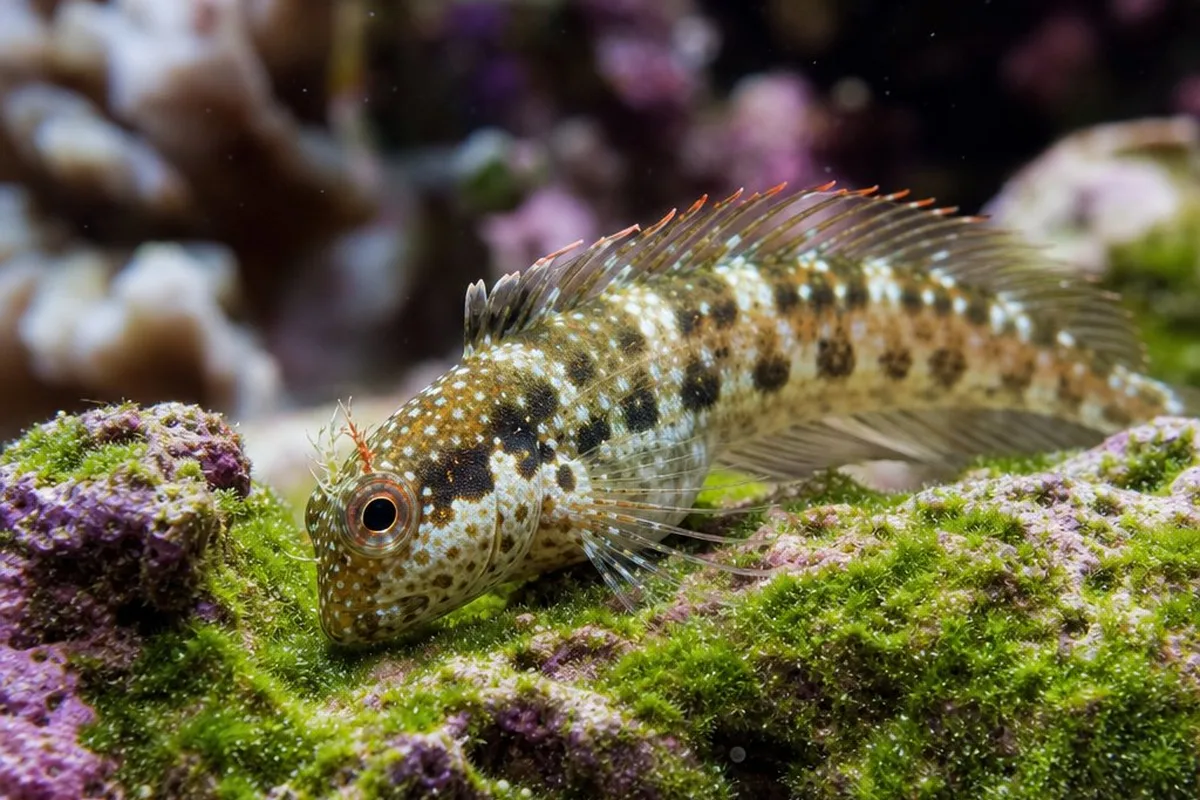
Saltwater and reef tanks deal with their own version of this same picture — coralline algae, macroalgae, and turf algae all respond to the same light/nutrient principles, covered separately in our guide to the algae and "plants" found on a coral reef.
Why Algae Grows: Light and Nutrients
Two inputs drive almost all algae growth:
- Light — both duration (how many hours per day) and intensity (how bright, and at what spectrum). Longer photoperiods and brighter lights, especially on tanks without enough fast-growing plants to use the extra energy, push growth toward algae.
- Nutrients — primarily nitrate and phosphate, which come from fish waste, uneaten food, decaying plant matter, and (in planted tanks) fertilizers and substrate. Aquarium plants and algae compete for the same nutrients; if plants aren't using them fast enough, algae will.
The practical implication: a tank with more light than its plants can use, or more nutrients than its plants and water changes can remove, tends to grow more algae — regardless of how "clean" the tank otherwise looks. This is also why substrate choice connects to algae indirectly: nutrients a nutrient-rich substrate releases are part of this same balance, not a separate consideration. Fast-growing plants are one of the more direct ways to put excess nutrients to use before algae does — our cabomba vs. hornwort comparison looks at two popular fast growers commonly used for this role, and why one is a more forgiving choice than the other.
New Tank Algae vs. an Established-Tank Bloom
The algae you'll see in a brand-new tank and the algae that suddenly appears in a tank that's been algae-free for months are usually different situations with different causes. New-tank algae (often brown diatoms) is largely a function of the tank still maturing — surfaces are "blank slates" for colonization, and the bacterial/plant community that would normally compete for nutrients hasn't established yet. This typically fades over the first several weeks without intervention, often around the same time the nitrogen cycle itself settles — see our guide to plants and nitrite during cycling for how those two timelines relate. A larger newly-planted tank, like the 75-gallon planted setup we cover separately, goes through the same process — size doesn't exempt a tank from this early period.
A sudden bloom in an established tank is different — it usually means something changed: more light, more food, a fertilizer increase, a skipped maintenance cycle, or a decaying fish/plant. Our guide to algae growth timelines covers both scenarios in more depth, including how quickly different algae types can take hold.
Algae Eaters and Manual Removal: Useful, But Not a Fix
Algae-eating fish, snails, and shrimp — along with manual scraping and siphoning — are valuable management tools, not solutions to an underlying imbalance. Species like nerite snails (grazing on film algae and diatoms) and the American flagfish (one of the more reliable options against hair and beard algae) can meaningfully reduce algae and buy time while you address the root cause, but a tank that keeps producing algae faster than its cleanup crew can eat it will stay ahead of any reasonable population of algae-eaters. It's also worth planning around how fast these algae eaters grow — a species that outgrows the available algae supply ends up needing supplemental feeding regardless of how well it did its job initially.
The most durable approach combines: routine manual removal (to reset visible growth), a look at light duration/intensity relative to your plant mass, a look at nutrient inputs (feeding, fertilizing, stocking, water change frequency), and algae-eaters as ongoing maintenance — not as the primary fix.
Quick Reference
- A small amount of algae is normal in most established aquariums
- Algae growth is driven primarily by light (duration/intensity) and nutrients (nitrate/phosphate)
- New tank algae (often brown diatoms) is usually temporary as the tank matures
- A sudden bloom in an established tank usually means something recently changed
- Cyanobacteria looks like algae but is bacteria and needs a different approach
- Algae eaters and manual removal help manage algae but don't fix a light/nutrient surplus
- For a durable fix, address light and nutrient balance, not just the visible algae