By Hektor Jorgo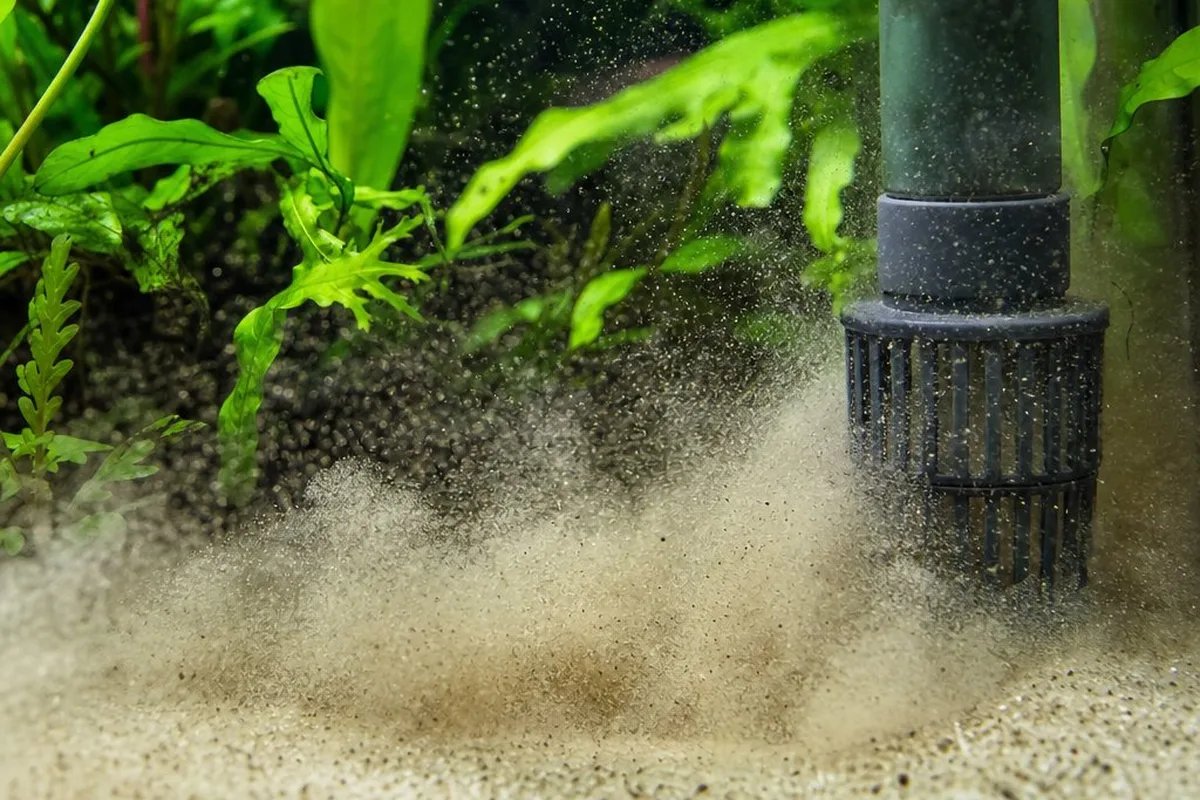
A sand-bottomed tank looks great, but sand has a habit of finding its way into places it isn't supposed to be — and the filter is one of the more common destinations.
Short Answer
Sand getting into your filter is almost always caused by intake placement, sand-sifting livestock, or disturbance during maintenance — not a filter malfunction. A grain or two now and then is normal in any sand-bottomed tank. The concern is ongoing accumulation, a gritty or grinding sound from the impeller, or noticeably reduced flow from a sand-clogged intake or media. The fixes are straightforward: raise the intake a few inches off the substrate, add a pre-filter sponge, and be mindful of the filter during maintenance that stirs up the sand bed.
The Usual Suspects
Intake Too Close to the Substrate
By far the most common cause. An intake resting on or very near the sand bed will draw in sand along with water, especially when flow disturbs the top layer of substrate near the strainer. Our guide on how deep an aquarium filter intake should be covers the general positioning range — a few inches of clearance above the substrate makes a noticeable difference.
Sand-Sifting Fish and Invertebrates
Certain gobies, some catfish, and various burrowing invertebrates make a habit of sifting through sand, constantly kicking small amounts into the water column. If your tank houses species like these, some sand reaching the filter is an ongoing reality of their natural behavior rather than a one-time fixable issue — the practical response is more frequent rinsing of mechanical media rather than trying to eliminate it entirely.
Maintenance Disturbance
Gravel vacuuming, rearranging decor, or even a particularly energetic fish digging can briefly cloud the water with suspended sand. If the filter is running normally during this, it will pull in some of that suspended sand along with everything else.
Why It Matters (and When It Doesn't)
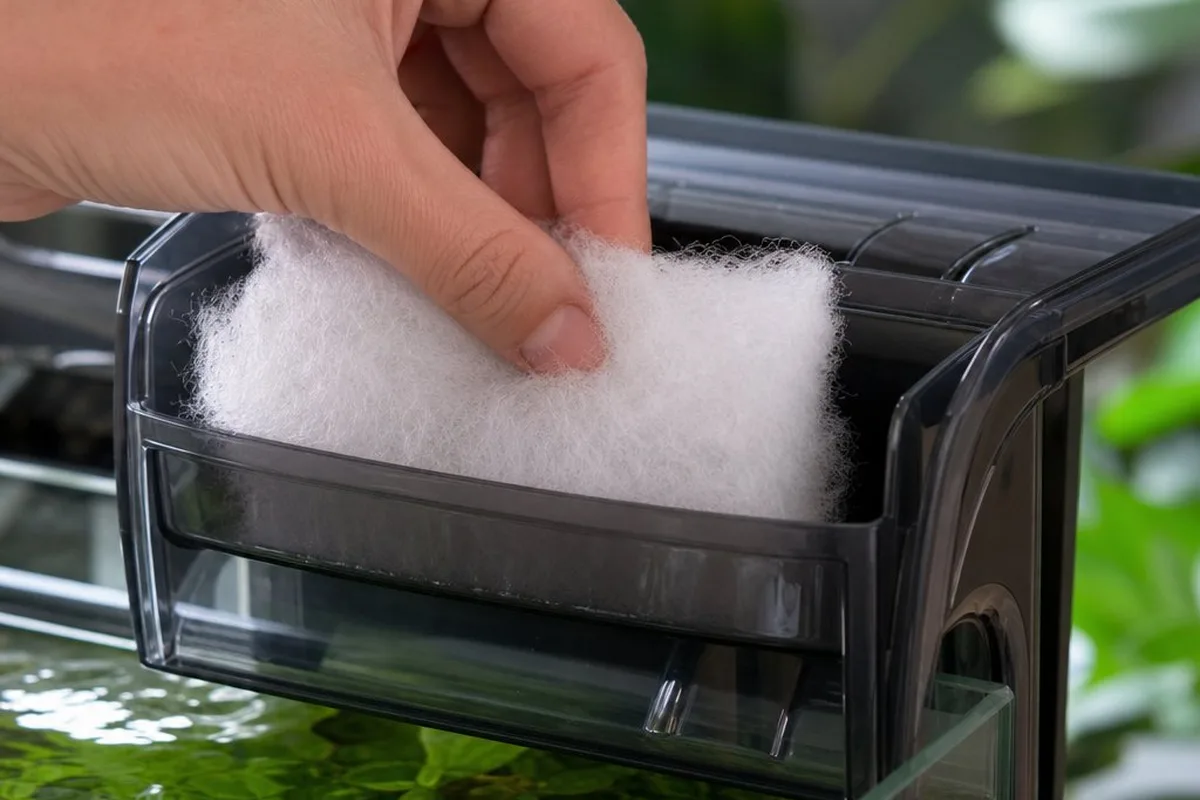
Sand is abrasive. In small amounts, it's not a big deal — most filters handle the occasional grain without issue. But repeated exposure can accelerate wear on the impeller shaft and housing, the same way grit accelerates wear on any moving mechanical part. Sand can also clog mechanical filter media — like the filter floss found in most filters — faster than typical debris, meaning more frequent rinsing.
The signals worth paying attention to: a gritty or grinding noise from the filter, visibly reduced flow, or sand accumulating noticeably inside the filter housing when you open it for maintenance. Occasional minor sand without any of these symptoms generally isn't worth worrying about.
A Quick Note on "Sand Filters"
If you've come across the term "sand filter" in a different context — particularly for pools or large ponds — that's referring to a dedicated pressurized canister that uses a bed of specialized filter sand as the filtration media itself, forcing water through the sand bed to trap particles. This is a different topic from substrate sand ending up in a typical aquarium filter, and dedicated sand filters of this type are uncommon in home aquarium setups. If your aquarium filter is pulling in sand from the tank floor, that's a placement and maintenance issue, not a sign you need (or have) a sand-filtration system.
Fixing It
- Raise the intake a few inches off the substrate — see our intake depth guide for the general range that balances catching debris without pulling in substrate.
- Add a pre-filter sponge over the intake. This catches sand grains before they reach the impeller and is far easier to rinse than disassembling the filter to clear sand from internal media.
- Manage maintenance timing — when vacuuming or rearranging substrate stirs up a cloud of sand, consider briefly turning off the filter (or covering the intake) until the cloud settles, rather than running the filter through it. This pairs with the broader flow considerations in our canister filter placement guide.
- Rinse mechanical media more often if sand-sifting livestock is an ongoing factor — this is a maintenance-frequency adjustment, covered in our filter media replacement guide, rather than a one-time fix.
Quick Reference
- Sand in the filter is usually caused by intake placement, sand-sifting fish, or maintenance disturbance — not a faulty filter
- Occasional grains are normal; ongoing accumulation, grinding noise, or reduced flow are the signals worth addressing
- Sand is abrasive and can accelerate impeller wear over time
- Dedicated pond/pool "sand filters" are a different topic from substrate sand in an aquarium filter
- Raise the intake a few inches off the substrate to reduce sand intake
- A pre-filter sponge catches sand before it reaches the impeller
- Let stirred-up sand settle (or pause the filter) during substrate-disturbing maintenance
- Sand-sifting livestock means more frequent media rinsing as an ongoing accommodation