Why Does My Fish Tank Smell Earthy or Musty?

A person leaning toward an aquarium, with a new soil-based substrate visible beneath the water

Quick Facts

Most Common Cause
Geosmin, a compound produced by certain bacteria and cyanobacteria, associated with 'earthy' or 'fresh rain' smells
Is It Harmful?
Generally not — geosmin itself isn't toxic to fish, and its presence often reflects an active microbial community
Common in New Dirted Tanks
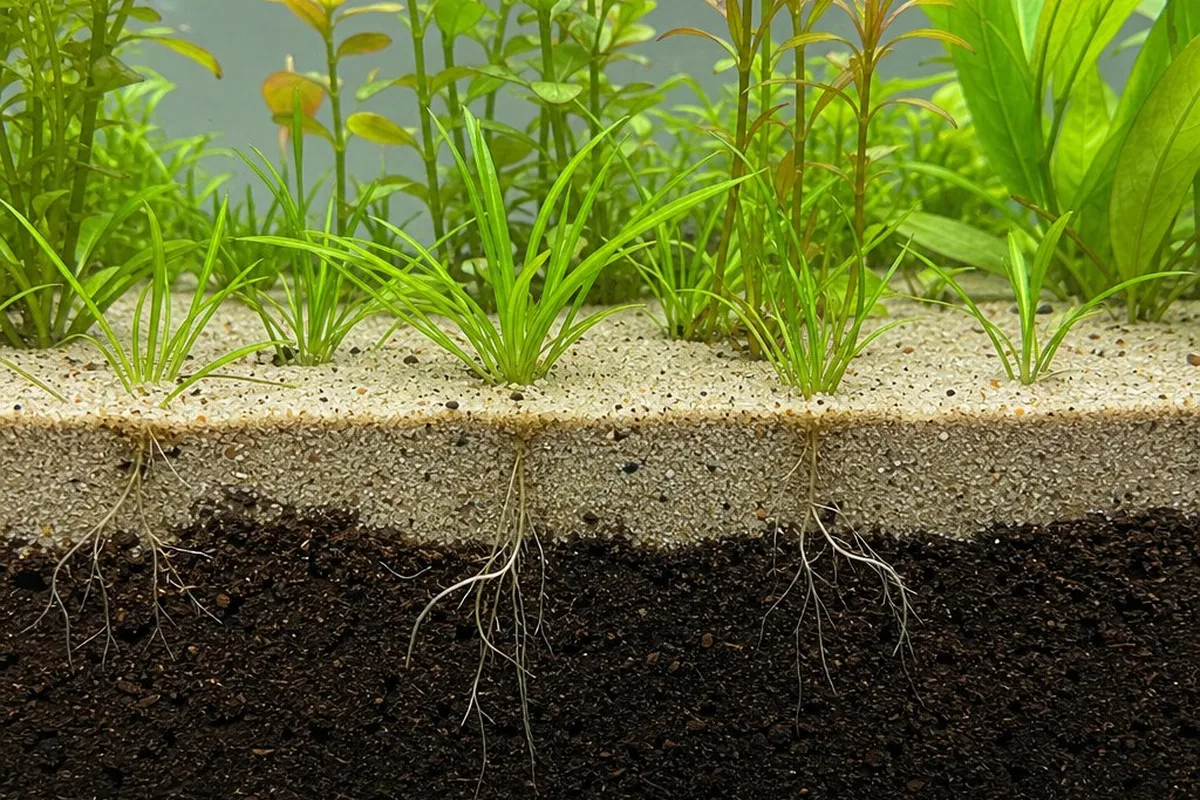
Soil-based substrates can produce a noticeable earthy smell during the initial settling period
Different From Rotten Egg Smell
A sulfurous/rotten egg smell points to hydrogen sulfide from anaerobic pockets — a different and more concerning issue
Different From Ammonia Smell
A sharp, chemical smell is more consistent with an ammonia problem during cycling
When It Fades
Earthy smells from new substrate often diminish over weeks as the tank matures
Geosmin Elsewhere
The same compound is responsible for the smell of beets and the 'after rain' petrichor smell
Bottom Line
An earthy smell alone, without other warning signs, is usually not something to address directly

A whiff of "outdoors" coming off an aquarium can be unsettling if you're expecting a tank to smell like, well, nothing. But an earthy or musty smell is one of the more benign things an aquarium can smell like — and it's surprisingly common, especially in certain setups.

Direct Answer: Usually Geosmin, and Usually Harmless

An earthy or musty smell from an aquarium is most commonly caused by geosmin, a compound produced by certain bacteria and cyanobacteria as part of normal microbial activity. It's the same compound responsible for the smell of fresh rain (petrichor) and the earthy taste of beets. Geosmin isn't toxic to fish, and its presence is generally an indicator of active microbial life in the substrate rather than a problem to fix. This smell shows up most often in new soil-based ("dirted") tanks, where the substrate is rich in organic material — see our potting soil substrate guide for more on what's normal during that settling period, including the related orange/brown water tint that sometimes accompanies it.

The Smells That Are Worth Paying Attention To

An earthy smell is one of several aquarium smells, and it's important not to lump it together with smells that genuinely signal a problem:

  • Rotten egg / sulfurous smell → hydrogen sulfide from anaerobic pockets in compacted substrate or under long-undisturbed debris. This is a more concerning sign — a large anaerobic pocket disturbed all at once can release sulfide into the water column. Gentle, gradual substrate maintenance rather than deep all-at-once stirring is the general approach in established tanks.
  • Sharp, chemical smell → more consistent with an ammonia problem, particularly during the cycling process, where ammonia and nitrite levels can spike before the bacterial colony matures.
  • Earthy/musty smell (geosmin) → generally benign, common in new soil-based tanks, an indicator of microbial activity rather than a hazard.

If what you're smelling is genuinely earthy/musty — closer to "fresh dirt" or "after rain" than to "rotten eggs" or "bleach/ammonia" — geosmin is the most likely explanation, and there's usually nothing to do.

Why New Dirted Tanks Smell This Way

Soil-based substrates pack in a large amount of organic material, which supports a much larger and more active microbial community than inert substrates like gravel or sand during the initial weeks after setup. This is part of the same "settling in" period that can also produce temporary cloudiness or a tannin-like tint in the water. As the tank matures and the substrate stabilizes, the relative intensity of this microbial activity — and the smell that comes with it — typically diminishes, though a soil-based tank may always have a faint earthy character compared to an inert-substrate tank.

When to Actually Investigate

An earthy smell on its own, with otherwise normal water (no unusual cloudiness, stable ammonia/nitrite, normal fish behavior), generally doesn't need intervention. It's worth a closer look if it's:

  • Accompanied by a sulfurous/rotten egg note — check for compacted areas of substrate that haven't been disturbed in a long time
  • Accompanied by a sharp, chemical smell — check ammonia and nitrite, especially in a tank that's still cycling or recently had a filter issue
  • Getting stronger over time rather than fading — worth a look at substrate maintenance and feeding levels

Quick Reference

  • Earthy/musty smells are usually geosmin — generally harmless, produced by normal bacterial activity
  • Common in new soil-based ("dirted") tanks during the initial settling period
  • Different from rotten egg smell (hydrogen sulfide, anaerobic pockets — worth addressing)
  • Different from a sharp chemical smell (more consistent with an ammonia issue)
  • Often fades as a new tank matures, though soil-based tanks may always have a faint earthy character
  • No action needed if the smell is mild and water parameters/fish behavior are otherwise normal
Frequently Asked Questions

Why does my fish tank smell earthy or musty - is something wrong?

Usually not. An earthy or musty smell from an aquarium is most commonly caused by geosmin, a compound produced by certain bacteria (including some cyanobacteria and actinomycetes) as part of their normal activity. Geosmin isn't toxic to fish, and its presence is often simply a sign of an active microbial community in the substrate and water — which, broadly, is a normal and even expected part of an established or maturing tank. This smell is especially common in new soil-based ('dirted') tanks, where the substrate is full of organic material and microbial activity is high during the initial settling period covered in our potting soil substrate guide.

Is this the same smell as 'after it rains' - and is that compound harmful to fish?

Yes, it's the same compound — geosmin is responsible for the distinctive 'after rain' or petrichor smell, as well as the earthy taste sometimes noticeable in beets and certain fish (particularly some farmed freshwater fish, which is a separate culinary topic rather than an aquarium one). In an aquarium context, geosmin isn't considered toxic to fish at the concentrations typically produced by normal microbial activity. Its presence is more of an indicator — of an active substrate microbial community — than a hazard in its own right.

How is an earthy smell different from a rotten egg smell?

These point to very different things, and the distinction matters. An earthy/musty smell (geosmin) is generally benign and often associated with normal substrate microbial activity, especially in soil-based substrates. A rotten egg or sulfurous smell, by contrast, points to hydrogen sulfide — produced by anaerobic bacteria in oxygen-starved pockets, typically deep in compacted substrate or under debris that's gone undisturbed for a long time. Hydrogen sulfide is a more concerning sign, since it indicates an anaerobic pocket that, if disturbed all at once (e.g., during a big substrate stir), can release a slug of sulfide into the water column — this is part of why gradual, partial substrate disturbance is generally preferred over digging deep all at once in established tanks. If you're smelling rotten eggs specifically, that's worth addressing (gentle substrate maintenance to avoid large anaerobic buildups) rather than something to leave alone the way a simple earthy smell usually can be.

Will an earthy smell from a new tank go away on its own?

Often, yes — particularly in new soil-based setups, where the smell tends to be most noticeable during the initial weeks as the substrate settles and microbial activity is at its most active relative to the tank's overall maturity. As the tank matures — plant roots establish, the substrate stabilizes, and the broader microbial community (including the bacteria responsible for the nitrogen cycle) settles into a more steady state — the intensity of an earthy smell often diminishes noticeably, though it may never disappear entirely in a tank with a rich organic substrate. If the smell is mild and the water otherwise looks normal (no unusual cloudiness, no ammonia/nitrite spike, fish behaving normally), there's generally no need to intervene.

Sources & Further Reading

  1. Geosmin and Water Quality — USGS Water Science School
  2. Dirted Tank Setup Discussion — The Planted Tank Forum
Hektor Jorgo

About the Author: Hektor Jorgo

Co-Founder & Marine Biologist

Hektor is a co-founder of Sea Life Planet and has kept reef and freshwater aquariums for over 15 years. He holds a background in marine biology and focuses on species care accuracy, water chemistry, and tank husbandry.