By Hektor Jorgo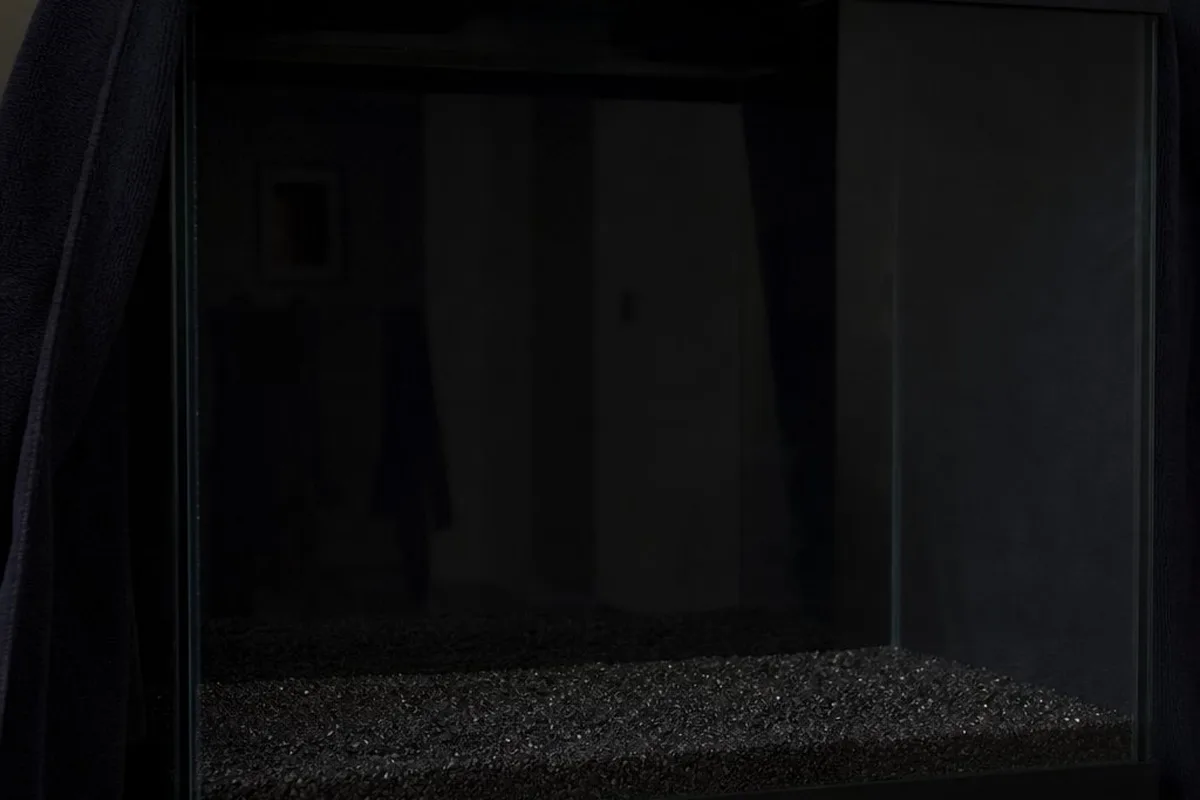
A tank light that's been off for a few days — whether on purpose as an algae treatment, or unplanned due to an equipment issue — raises a fair question: does the algae actually go away, or is it just waiting?
Short Answer
Visible algae typically begins fading within a few days of total darkness, but dormant spores can persist for weeks or months — meaning a blackout reduces algae rather than eliminating it for good. The common "blackout method" uses roughly 3-4 days of complete darkness to knock back nuisance algae like hair algae or cyanobacteria, which is generally long enough to be effective without significantly risking other inhabitants. Fish tolerate this well; live plants and photosynthetic corals are the main things to be mindful of if darkness extends much longer than that.
What Actually Happens in the Dark
Algae, like plants, depends on photosynthesis to grow — without light, it can't produce the energy it needs and begins to decline. But "decline" doesn't mean every cell dies immediately:
- Visible, actively growing algae (the green film, hair-like strands, or cyanobacteria mats you can see) typically starts fading within a few days.
- Spores and resting cells produced by many algae types are built to survive exactly this kind of unfavorable period — these can remain dormant in substrate, on decor, or in filter media for weeks to months, ready to resume growth once light returns.
This is why a tank can look algae-free after a blackout, only to have algae reappear within days or weeks once the lights go back to normal — the dormant spores were there the whole time, just not actively growing.
The Blackout Method in Practice
A deliberate algae blackout typically means:
- Covering the tank to block both the aquarium light and ambient room light
- Maintaining this for roughly 3-4 days
- Continuing normal filtration and aeration (this isn't a filter shutdown — see our guide on how long fish can go without a filter if a power outage is the actual concern, which is a different situation)
This duration is long enough to visibly affect actively growing nuisance algae without extending so long that it meaningfully stresses plants or photosynthetic corals. Going longer doesn't generally make the treatment more effective against dormant spores — which survive regardless — so there's limited benefit to extending well beyond this range.
Cyanobacteria Can Be More Stubborn
Cyanobacteria (often called "blue-green algae," though it's technically bacteria) can be more resilient to short blackouts than typical green algae, sometimes requiring a longer blackout or repeated treatments alongside addressing the underlying nutrient or flow conditions that favor it. If a blackout seems to reduce green algae but a cyanobacteria mat persists or returns quickly, that's a sign the blackout alone isn't addressing its specific contributing factors.
What Else Is in the Dark With the Algae
A few days of darkness is generally well-tolerated by fish — it's not meaningfully different from an extended night. The inhabitants worth considering are:
- Live plants, especially more light-demanding species, which can begin to decline or "melt" if darkness extends well beyond a few days
- Photosynthetic corals, which rely on light-driven zooxanthellae for a significant portion of their energy — covered in our guide on coral growth and bleaching
For tanks with these inhabitants, staying within the typical 3-4 day range (rather than extending it speculatively) keeps the treatment from becoming a problem of its own.
After the Blackout: Why Algae Can Seem to "Come Back Stronger"
When lights return to normal, any dormant spores that survived resume growth under the same conditions that produced the original bloom — if those conditions (excess nutrients, lighting duration) haven't changed, regrowth can look surprisingly fast simply because it's coming from a larger starting population of spores. A blackout is best thought of as a reset that buys time to address the underlying cause, not a standalone fix.
Quick Reference
- Visible algae starts fading within a few days of total darkness
- Dormant spores can survive weeks to months, ready to regrow once light returns
- The blackout method (~3-4 days, tank covered, filtration still running) is a common nuisance-algae treatment
- Cyanobacteria can be more resilient to short blackouts than green algae
- Fish tolerate a few days of darkness well; plants and photosynthetic corals are the main considerations for longer durations
- Algae regrowth after a blackout often looks faster because dormant spores resume growth all at once
- A blackout reduces algae temporarily — addressing nutrients/lighting causes is what prevents it long-term