Hygger Aquarium Gravel Cleaner Not Working: How to Fix It

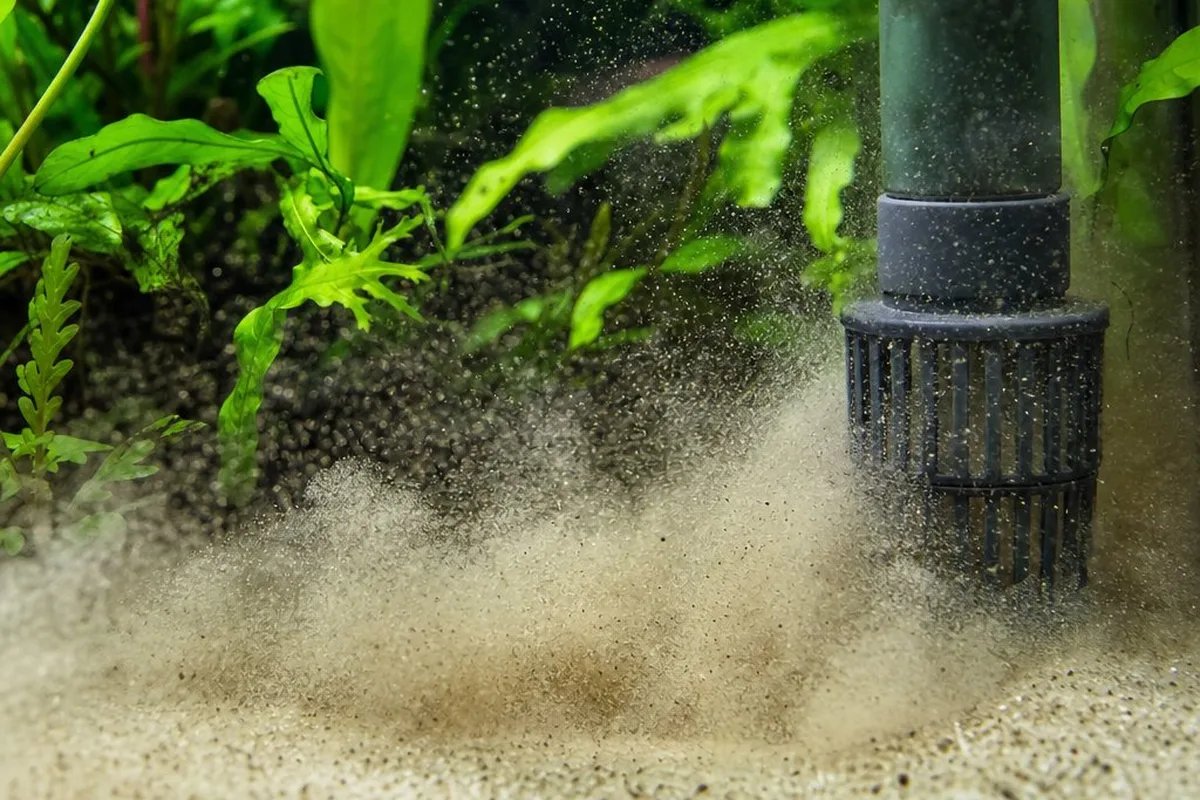
A battery-powered aquarium gravel cleaner with its intake tube resting in the substrate of a fish tank

Quick Facts

First Check
Battery freshness and orientation — battery-powered gravel cleaners are sensitive to even slightly weak batteries
Motor Runs, No Suction
Usually a clogged intake strainer, debris jammed in the impeller, or a kinked discharge tube
Won't Start at All
Check battery contacts for corrosion — these sit close to water and are prone to buildup over time
Leaking Back Through the Tube
Often means the unit isn't fully submerged at the intake, breaking the siphon/suction it relies on
Reduced Power Over Time
Batteries weaken gradually — a unit that 'used to be stronger' is often just due for fresh batteries
Intake Strainer
Gravel and debris can pack into the strainer slots, restricting flow even with a working motor
Discharge Tube
Kinks or a tube that's lifted above water level can stop flow even when the unit itself is working
Not a Sand-Safe Tool by Default
Running it too close to fine substrate can pull large amounts of sand into the discharge — technique matters as much as the unit

A battery-powered gravel cleaner is one of those tools that makes water changes dramatically easier when it works — and mildly maddening when it suddenly doesn't, since there's no obvious "broken" part to point at the way there might be with a cracked hose or a dead pump.

Short Answer

Most "not working" issues with a Hygger gravel cleaner come down to one of three things: weak or corroded batteries, a blockage somewhere between the intake strainer and the discharge tube, or the intake not being fully submerged during use. A unit that won't turn on at all almost always points to batteries or their contacts. A unit that runs but produces little suction almost always points to a blockage in the intake strainer, impeller area, or discharge tube. And water leaking back out through the tube usually means the intake wasn't kept fully underwater. Working through these in order resolves the large majority of cases without needing to consider the unit itself failed.

Won't Turn On: Batteries First

These units are more sensitive to battery condition than most aquarium gear, because the motor has to spin an impeller against the resistance of water from the moment it starts:

  • Try a fresh, known-good set of batteries — even batteries that seem to have life left in them can be insufficient for this motor specifically.
  • Double-check orientation in the battery compartment, especially if the unit has recently been opened for cleaning or storage.
  • Check the battery contacts for corrosion or residue. These units operate close to water, and moisture occasionally reaches the battery compartment over time, leaving a film on the contacts that can break the circuit even with good batteries.

Runs But No Suction: Look for a Blockage

If you can hear or feel the motor running but little or nothing is being drawn into the tube, the issue is almost always a blockage along the flow path rather than the motor itself:

  1. Intake strainer — gravel, sand, and debris can pack into the strainer slots tightly enough to restrict flow significantly while still looking "mostly open" at a glance.
  2. Impeller area — a piece of gravel or debris lodged near the impeller can partially jam it without stopping the motor entirely, reducing the suction it can generate.
  3. Discharge tube — a kink or sharp bend restricts where the pumped water needs to go, which can reduce or stop the suction effect at the intake end.

A true motor failure on these units tends to be silent — no sound, no vibration at all — which is a useful way to distinguish "blocked" from "failed."

Leaking Back Through the Tube: A Submersion Issue

If water is coming back out through the tube instead of being drawn in, the most common cause is simply that the intake isn't fully submerged. These units rely on continuously pumping water out through the discharge to create suction at the intake — and that only works as a one-way flow when the intake end stays underwater throughout. If it's lifted to the surface or partway out of the tank during use, the unit can end up pumping air or pushing water back the way it came. Keeping the intake fully submerged and angled into the substrate resolves this in most cases; if it persists even when fully submerged, check the discharge tube itself for a crack or loose connection.

When Performance Gradually Weakens

A unit that "used to be stronger" is most often a battery story, not a wear story — batteries discharge gradually, and partially depleted batteries can still power the unit while producing noticeably less suction than fresh ones. Try a fresh set before assuming anything else. If performance is still down with fresh batteries, a slowly-accumulated partial blockage in the strainer or impeller area (mineral buildup or compacted debris) is the next most likely cause. Genuine motor wear — consistent weakness regardless of batteries and with a clean intake — is less common, and at that point replacement is usually more practical than continued troubleshooting given the unit's cost.

If you're also dealing with filter issues that started around the same time as a water change or gravel cleaning session, our guide on filters not working after cleaning covers that separately — the two are easy to mix up since they often happen during the same maintenance session.

Quick Reference

  • Won't turn on at all: try fresh batteries, check orientation, and check contacts for corrosion
  • Motor runs but no suction: check the intake strainer, impeller area, and discharge tube for blockages in that order
  • A silent, unresponsive motor points to batteries/contacts; a running motor with no effect points to a blockage
  • Leaking back through the tube usually means the intake wasn't fully submerged during use
  • Gradually weaker performance is most often batteries, not wear — test with a fresh set first
  • Consistent weakness with fresh batteries and a clean intake is the point where replacement becomes practical
Frequently Asked Questions

My Hygger gravel cleaner won't turn on at all — what should I check first?

Start with the batteries, even if they seem like they should still be good. Battery-powered gravel cleaners are more sensitive to battery condition than most aquarium equipment — a motor that needs to spin a small impeller against water resistance can fail to start on batteries that would still power something like a flashlight or remote. Try a fresh, known-good set, and double-check the orientation matches the markings inside the battery compartment, since a unit that's been opened for cleaning can have batteries reinserted backward. If fresh batteries in the correct orientation still produce nothing, check the battery contacts for corrosion or a white/green residue — these units operate close to water, and moisture occasionally finds its way into the battery compartment over time, corroding the contact points enough to break the circuit even with good batteries installed.

The motor runs (I can hear it), but it's not pulling in any water or debris. What's wrong?

This points to something blocking the path the water needs to take, not a power problem. Check, in order: the intake strainer at the bottom of the tube, which can pack with gravel, sand, or debris tightly enough to restrict flow even though it looks mostly clear from a distance; the impeller area, where a piece of gravel or debris can lodge and partially jam the mechanism without stopping it completely; and the discharge tube, checking for kinks or a sharp bend that's restricting where the water is supposed to go. A unit that runs but produces little to no suction has almost always developed a blockage somewhere along this path rather than experienced a motor failure — motor failures on these units tend to produce no sound at all, not a running motor with no effect.

Water is leaking back out through the tube instead of being pulled in — why?

This is usually about how the unit is being held, not a defect. These gravel cleaners create suction by pumping water out through the discharge tube, which pulls replacement water in through the intake — but this only works correctly when the intake end is fully submerged in the tank water. If the intake is held above the waterline, at the surface, or lifted out of the water partway through use, the unit can pump air or push water back out through the same path instead of creating the intended one-way flow. The fix is simply to keep the intake fully submerged and pointed into the substrate during use — if the leaking happens consistently even when fully submerged, double-check that the discharge tube itself doesn't have a crack or loose connection allowing water to escape back toward the intake side.

It used to work fine, but it feels weaker than before — is it wearing out?

Gradually weakening performance is most often a battery issue, not the unit wearing out. Batteries don't fail suddenly in most cases — they discharge gradually, and a unit running on partially-depleted batteries can still turn on and produce some suction, just noticeably less than with fresh batteries. Before assuming the motor or impeller has degraded, try a completely fresh set of batteries and compare. If performance is still clearly weaker than when the unit was new even with fresh batteries, check the intake strainer and impeller area for a partial blockage that's developed gradually (mineral buildup or compacted debris can accumulate slowly enough not to be obvious). A genuine motor wear issue on these units is less common than either of those two causes, but would show up as consistently weak performance regardless of battery freshness and with a clean intake/impeller — at that point, replacement is generally more practical than further troubleshooting given the cost of these units.

Sources & Further Reading

  1. Aquarium Maintenance Tools Discussion — Reef2Reef New to the Hobby
  2. Gravel Vacuum and Water Change Techniques — Practical Fishkeeping
Hektor Jorgo

About the Author: Hektor Jorgo

Co-Founder & Marine Biologist

Hektor is a co-founder of Sea Life Planet and has kept reef and freshwater aquariums for over 15 years. He holds a background in marine biology and focuses on species care accuracy, water chemistry, and tank husbandry.