Kessil A80 vs. AI Prime 16HD: Which Nano Reef Light Fits Your Tank?

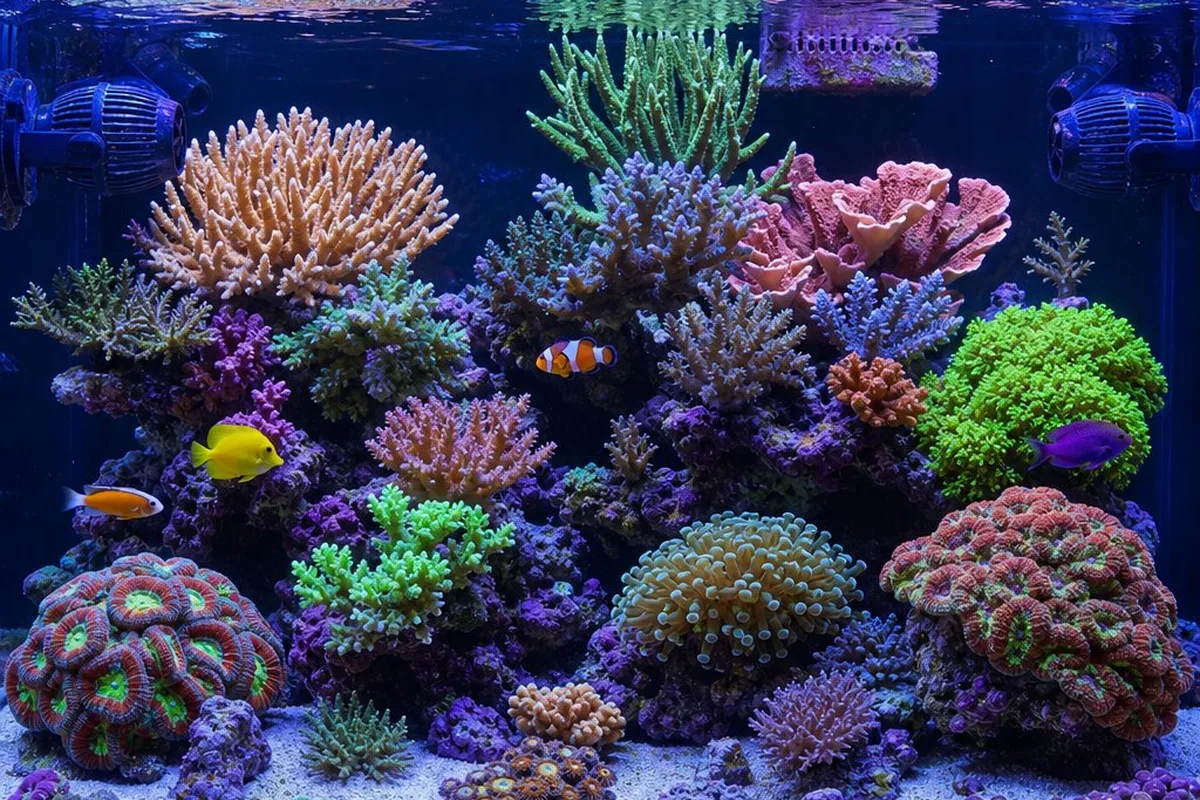
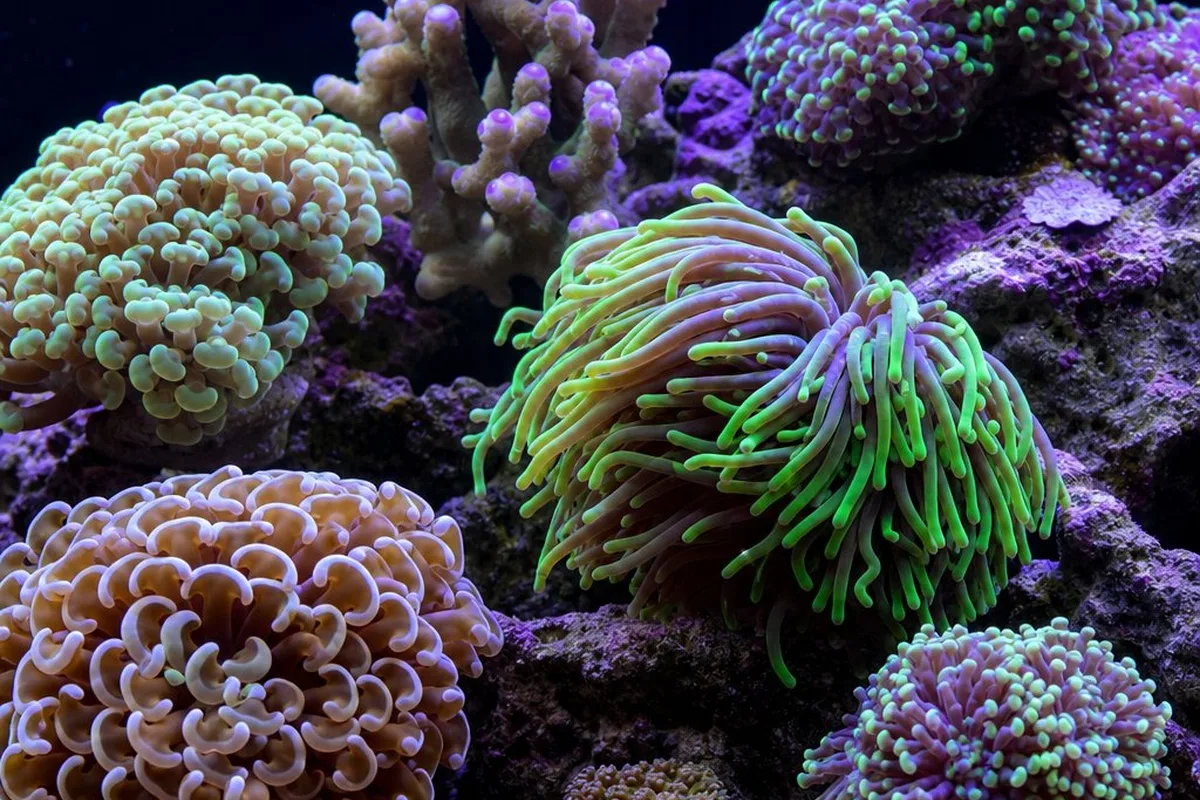
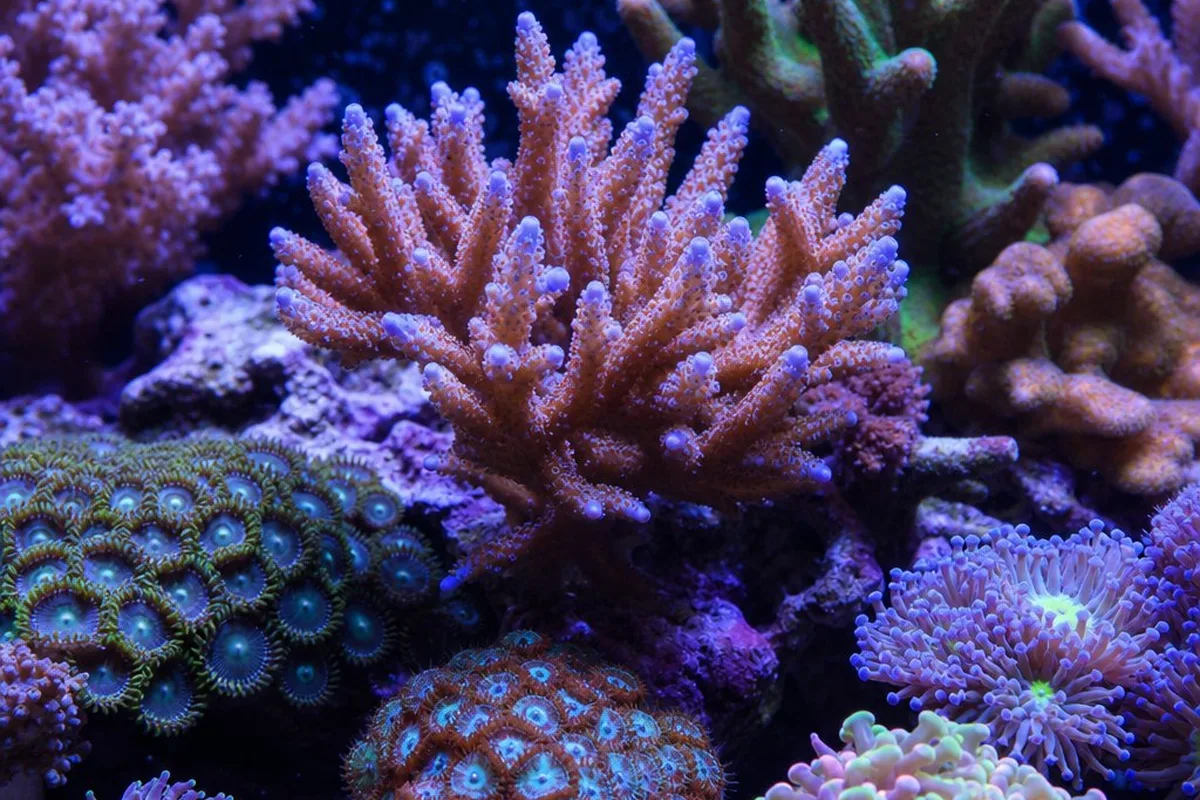
A small reef aquarium lit by a compact LED fixture mounted on a gooseneck arm above the water

Quick Facts

Kessil A80 Design
Single point-source LED behind a proprietary lens — produces a concentrated, narrower beam
AI Prime 16HD Design
Multi-channel LED array behind a wide-angle lens — spreads light more evenly across a larger footprint
Shimmer Effect
The A80 is known for pronounced 'shimmer' (light-ray movement through water); the Prime's diffused spread produces less of this effect
Coverage Footprint
A80's beam is more concentrated — wider or longer tanks often need multiple units; the Prime 16HD covers a wider single footprint
App Control
Both are app-controllable; AI's app offers more granular multi-channel spectral and scheduling control
Mounting
Both mount via gooseneck arms or mounting brackets, clearing the rim without a traditional hood
Best Fit for A80
Small nano tanks where shimmer and a point-source aesthetic matter, or multiple units across a wider tank
Best Fit for Prime 16HD
Tanks where even coverage across the footprint from a single fixture is the priority

For small and nano reef tanks, the Kessil A80 and AI Prime 16HD come up constantly as the two go-to recommendations — and for good reason, since both are well-regarded, compact, and capable of supporting a wide range of corals. But they take noticeably different approaches to the same problem, and which one fits better depends more on your tank's shape than on which brand has the better reputation.

Direct Answer: Shimmer vs. Even Coverage

The Kessil A80 uses a single point-source LED behind a proprietary lens, producing a concentrated beam with pronounced "shimmer" — the rippling light-ray effect as light passes through moving water. The AI Prime 16HD uses a wide-angle lens over a multi-channel LED array, spreading light more evenly across a wider footprint, with less of that point-source shimmer. Both are capable of growing a full range of corals when sized appropriately. The practical difference comes down to coverage: the A80's narrower beam can leave dark corners on a wider tank (often addressed by running multiple units), while the Prime 16HD aims to cover more area from a single fixture. Both offer app-based control, with AI's app generally offering more granular multi-channel scheduling.

Beam Shape and the Shimmer Effect

The A80's point-source design is the reason it's known for shimmer — a small, bright, concentrated light source passing through moving water casts distinct, moving light rays, similar to sunlight through open water on a sunny day. It's a visual effect many reef keepers specifically seek out, and it's most noticeable directly under and near the fixture.

The Prime 16HD's wide-angle lens spreads output from its LED array across a broader area, which softens this effect — the light arriving at any given point comes from a wider range of angles, reducing the sharp, ray-like pattern. This isn't a flaw in the Prime's design; it's a direct consequence of prioritizing even spread over a concentrated source, and it's the same general tradeoff covered in our broader guide on how much white light corals need — intensity and spectrum matter for coral health, but how that light is distributed across the tank affects both appearance and how evenly corals in different positions are lit.

Coverage Footprint: Where the Real Decision Is

This is where the two lights diverge most in practice:

  • Kessil A80: effective coverage area is smaller and more concentrated. On a standard rectangular tank wider than roughly 20-24 inches, a single A80 often leaves the corners and edges noticeably dimmer than the center — which is why multiple A80s are a common setup for anything beyond a small cube or narrow nano tank.
  • AI Prime 16HD: the wide-angle lens is specifically designed to extend usable coverage from a single unit further across a tank's footprint, making it a more common choice when a single light per tank is preferred.

Checking each manufacturer's footprint guidance against your tank's actual dimensions — rather than assuming either light "covers" a given tank size the way a traditional hood light spans the full lid — is the most useful step before buying either one.

Control and Programming

Both lights are controlled via app rather than physical buttons, which is a significant step up in flexibility from an all-in-one kit's single-button mode cycling — referenced in our Fluval Chi troubleshooting guide as a common point of confusion on integrated lighting. AI's app generally offers more granular control over individual channel intensities and detailed scheduling (including gradual sunrise/sunset and weather-effect simulations), while Kessil's control — via its wireless dial accessory or app, depending on model — tends to be more streamlined, with fewer but simpler adjustment points. Neither approach is objectively better; it depends on whether you want to fine-tune extensively or set something reasonable and leave it alone.

Which Fits a Tank Upgrading From an All-in-One Kit

For a tank moving on from an all-in-one kit's built-in lid light — like the Fluval Chi's integrated LED — the Prime 16HD's wide, even coverage is the closer like-for-like replacement in terms of how the light fills the tank's footprint, just with far more intensity and control. The A80 is a reasonable choice too, but especially on a wider footprint, it's worth planning for the possibility of a second unit to avoid the kind of uneven coverage an all-in-one's lid light doesn't usually have.

Quick Reference

  • A80: point-source LED, pronounced shimmer, narrower coverage — often needs multiple units on wider tanks
  • Prime 16HD: wide-angle lens, more even coverage from a single unit, less pronounced shimmer
  • Both support a full range of corals when sized correctly for the tank's footprint
  • Check manufacturer footprint guidance against actual tank dimensions before choosing
  • Both are app-controlled; AI's app offers more granular multi-channel scheduling
  • Upgrading from an all-in-one kit's lid light to either means moving from single-button modes to full app control
  • Prime 16HD is the closer match for tanks that valued an all-in-one's even, full-footprint coverage

Frequently Asked Questions

Which light gives better coral growth, the A80 or the Prime 16HD?

Both are capable of supporting healthy coral growth across SPS, LPS, and soft corals when sized and positioned appropriately for the tank — the difference is less about raw growth potential and more about how evenly that light is distributed. A single A80 over a wider tank may leave the corners noticeably dimmer than the center, which can show up as uneven growth or coloration between corals placed in different spots — covered more generally in our guide on how much white light corals need. The Prime 16HD's wider spread is designed to reduce that unevenness from a single fixture. In practice, either light can grow corals well — the question is whether your tank's footprint matches the coverage pattern of a single unit, or whether you'd need multiple lights (of either brand) to get even coverage.

Why does the A80 produce more 'shimmer' than the Prime?

Shimmer comes from light passing through moving water as distinct rays from a relatively small, bright source — the more concentrated the source, the more pronounced the shimmer effect. The A80's single point-source LED behind its lens creates exactly that kind of concentrated source, producing the rippling light-ray effect on the substrate and rockwork that many reef keepers find visually appealing, similar to sunlight through open water. The Prime 16HD's wide-angle lens deliberately spreads the light output across a broader area from multiple LEDs, which softens that point-source effect — the light is more diffused, and the shimmer is correspondingly less dramatic. Neither is 'better' lighting in a biological sense; it's a visual preference that's worth considering if shimmer is part of why you're upgrading lighting in the first place.

Do I need multiple lights to cover a tank with either of these?

It depends on your tank's footprint relative to each light's effective spread, and this is where the two designs diverge most. The A80's more concentrated beam covers a smaller area well but can leave a noticeable falloff toward the edges of a wider tank — many keepers run two or more A80s across a standard rectangular tank specifically to avoid dark corners. The Prime 16HD's wider-angle lens is designed to cover more footprint from a single unit, which is part of its appeal for tanks where a single light is preferred for cost or aesthetic reasons. As a rough starting point, check each manufacturer's footprint recommendations for your tank's specific dimensions — going off marketing claims alone for either brand tends to undersell how much falloff happens at the edges of a tank that's pushing the upper end of a single unit's coverage.

If I'm upgrading from an all-in-one kit's built-in light, which of these is the better starting point?

Either can work well as an upgrade from an all-in-one's built-in light, but the decision usually comes down to your tank's footprint and how much you value even coverage versus a point-source aesthetic. All-in-one kits — like the lid-integrated light covered in our Fluval Chi troubleshooting guide — typically provide broad, even (if modest) coverage across the whole footprint by design, since the light spans the width of the lid. If even coverage is what you valued about that setup and want to preserve while upgrading intensity and spectrum control, the Prime 16HD's wide-angle approach is the more direct analog. If you're open to a different aesthetic — concentrated shimmer over part of the tank, possibly with multiple units for a larger footprint — the A80 is worth considering. Either way, upgrading from an integrated all-in-one light to a standalone fixture also means leaving behind that light's single-button mode-cycling in favor of full app control, which is a meaningful usability change on its own.

Sources & Further Reading

  1. Nano Reef Lighting Discussion — Reef2Reef DIY Projects
  2. LED Reef Lighting Buying Guide — Practical Fishkeeping
Hektor Jorgo

About the Author: Hektor Jorgo

Co-Founder & Marine Biologist

Hektor is a co-founder of Sea Life Planet and has kept reef and freshwater aquariums for over 15 years. He holds a background in marine biology and focuses on species care accuracy, water chemistry, and tank husbandry.