Is Top Fin a Good Brand? An Honest Look at PetSmart's House Line

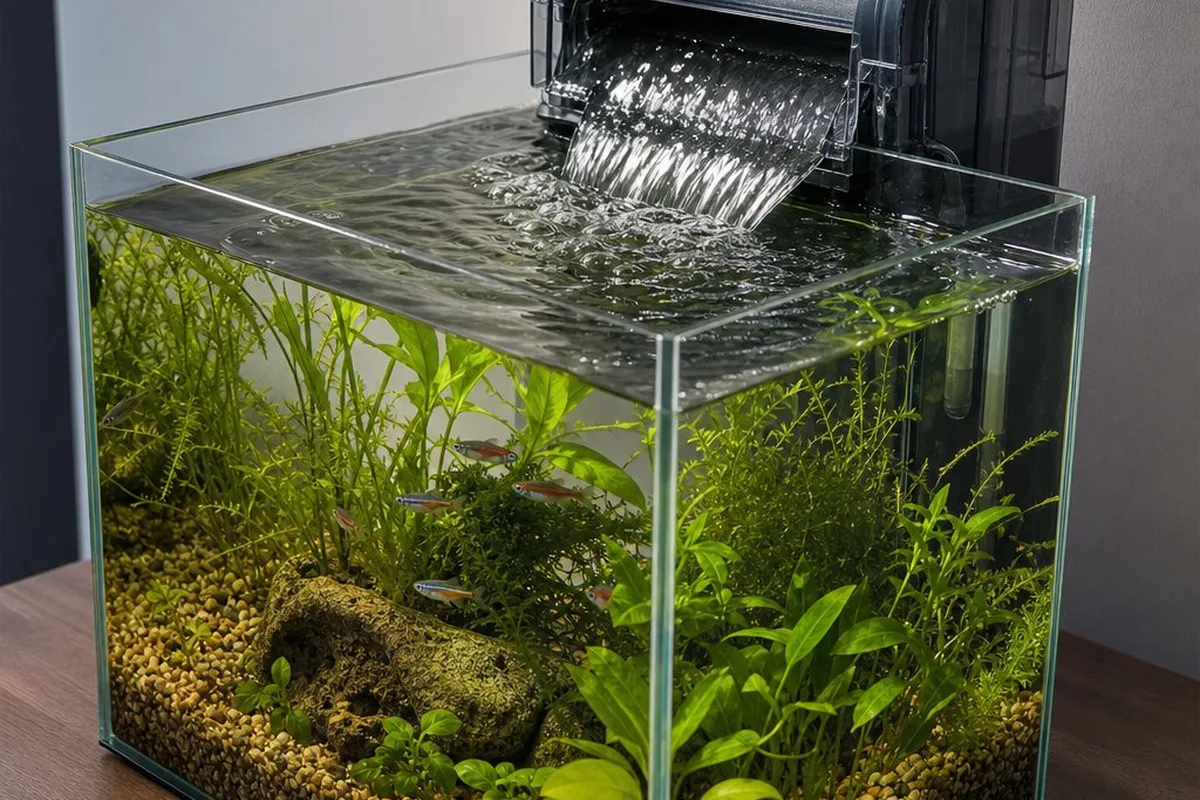
A range of house-brand aquarium products including a tank, filter, heater, and food containers on a store shelf

Quick Facts

What Top Fin Is
PetSmart's house/private-label brand, covering a wide range of aquarium product categories
Product Range
Tanks, filters (HOB and internal), heaters, air pumps, lighting, food, decor, and maintenance tools
General Pattern
Basic/entry-level categories (tanks, decor, basic food) tend to be more competitive than technical categories (filtration, heating)
Where Name Brands Pull Ahead
Filtration capacity/flow control, heater reliability features, and lighting spectrum/control tend to favor established specialist brands
Price Position
Generally positioned at or below comparable name-brand products in the same category
Availability
Sold primarily through PetSmart stores and its website, unlike multi-retailer brands
Best Fit
Beginner setups, budget-conscious starter tanks, and non-technical categories (decor, basic food, accessories)
Less Ideal Fit
Larger or more demanding setups where filtration capacity, heater reliability, or fine lighting control matter more

"Is [house brand] any good?" is one of the most common questions in beginner aquarium forums, and Top Fin — PetSmart's private-label line — comes up constantly because it's often the first brand new keepers encounter, simply by being on the shelf next to everything else. The honest answer requires splitting the question up, because "Top Fin" isn't one product.

Direct Answer: It Depends Heavily on the Category

Top Fin spans tanks, filters, heaters, lighting, food, decor, and maintenance tools — and like most house brands, quality relative to name-brand alternatives varies a lot by category. In lower-complexity categories (tanks, decor, basic food, accessories), Top Fin tends to be competitive on both price and quality — there's not a huge amount of room for a "tank" or a "plastic decoration" to be meaningfully worse than a name-brand equivalent. In higher-complexity categories (filtration, heating, lighting), established specialist brands more often have an edge in features, capacity, and the accumulated troubleshooting knowledge that comes with widely-used product lines. The practical takeaway is to evaluate each purchase on its own category, not as a referendum on "Top Fin" as a whole.

Where Top Fin Tends to Hold Up Well

For tanks, decor, gravel, and basic accessories, the gap between house brands and name brands is usually small. A glass tank is a glass tank; decor is largely aesthetic with few functional differentiators; basic flake or pellet food covers similar nutritional ground across brands at this tier. These are the categories where buying the house brand is most likely to save money without a meaningful downside — which is also why tank "starter kits" (often bundling a tank, basic filter, and a few accessories under one brand) are a common entry point for new keepers. This isn't unique to Top Fin — our look at whether Aqueon tanks are good covers a different, more widely-distributed brand that follows essentially the same pattern: solid on the tank and kit basics, with the more interesting evaluation happening in the technical categories below.

Where Name Brands Tend to Pull Ahead

The categories where Top Fin (and house brands generally) more often show their limits are the technical equipment categories:

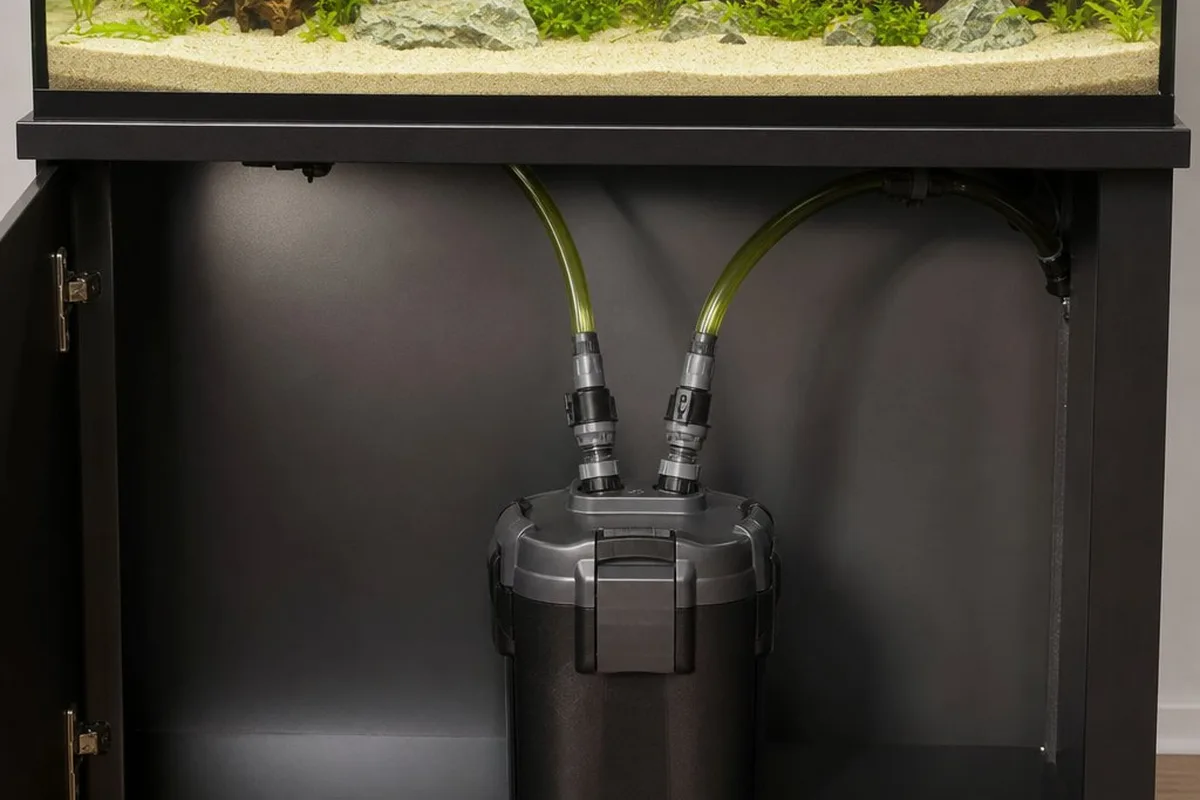
  • Filtration — flow control options, media tray design and capacity, and the depth of troubleshooting resources tend to favor long-running name-brand lines, like the canister filters covered in our Penn Plax Cascade and Fluval FX6 guides. For a small, lightly-stocked tank, a basic filter's capacity is rarely the bottleneck (see our guide on whether a filter can be too big for a tank) — but as tank size and bioload increase, the gap becomes more relevant.
  • Heaters — reliability matters more here than almost any other category, because a failed heater can mean a temperature swing that affects livestock quickly. Our guides on heater lifespan and heater light on but not heating cover failure patterns that apply across brands — but the practice of independently verifying temperature rather than trusting an indicator light is worth following regardless of which brand's heater is in the tank.
  • Lighting — spectrum quality and control options (covered for specialist fixtures in our Kessil A80 vs. AI Prime 16HD comparison) tend to be areas where dedicated lighting brands have invested more than general house lines, particularly for planted or reef setups with specific light requirements.

A Practical Approach for New Tanks

A common and reasonable strategy is to mix brands deliberately: a house-brand tank kit and decor for the categories where the savings come with little tradeoff, paired with a name-brand filter and heater sized generously for the tank — putting the budget where reliability and capacity matter most, and saving where they matter least. This isn't an argument against Top Fin specifically — it's the same logic that applies to any house brand spanning both simple and technical product categories.

Quick Reference

  • Top Fin is PetSmart's house brand, spanning tanks, filters, heaters, lighting, food, and decor
  • "Is it good" depends on the category — there's no single answer across the whole line
  • Tanks, decor, and basic food are categories where house brands are typically competitive
  • Filtration, heating, and lighting are categories where name brands more often have an edge
  • For heaters specifically, verify actual temperature independently regardless of brand
  • A common strategy: house-brand basics + name-brand filter/heater sized generously
  • For a small, lightly-stocked first tank, the brand of equipment matters less than setup and stocking choices

Frequently Asked Questions

Is Top Fin a 'bad' brand overall?

No — but 'overall' isn't really the right way to evaluate a house brand that spans this many product categories. Top Fin is PetSmart's private-label line, and like most house brands, it covers everything from tanks and decor (where house brands are often very competitive — a tank is a tank, and decor is mostly aesthetic) to technical equipment like filters and heaters, where established specialist brands (Fluval, Eheim, Aqueon, and others covered elsewhere on this site, including our Fluval FX6 and Amiracle wet/dry filter coverage) often have a longer track record and more refined feature sets. The honest framing is: Top Fin is a reasonable choice in some categories and a weaker choice in others, and it's worth evaluating each purchase on its own rather than treating 'Top Fin' as a single quality tier.

Are Top Fin filters as good as name-brand filters?

For basic filtration on smaller, lightly-stocked tanks, generally fine; for larger tanks or more demanding setups, name-brand options often have an edge. The core function — moving water through mechanical and biological media — isn't hard to get right at a basic level, and entry-level Top Fin filters do that. Where name-brand filters (canisters in particular, like the ones discussed in our Penn Plax Cascade and Fluval FX6 coverage) tend to pull ahead is in flow control options, media capacity and tray design, and the kind of troubleshooting community knowledge that builds up around long-running product lines — when something goes wrong with a widely-used name-brand filter, there's often a large body of existing troubleshooting discussion to draw on, which is less true for house-brand equipment with smaller user bases. Our guide on whether a filter can be too big for a tank is also relevant here — for a small tank, even a basic house-brand filter's capacity is rarely the limiting factor.

What about Top Fin heaters — are they reliable?

Basic Top Fin heaters generally do the core job (raising and holding temperature) on smaller tanks, but heater reliability is one of those categories where the consequences of a failure are higher than the cost difference between brands would suggest. Our guides on how long aquarium heaters last and heater light on but not heating cover the general failure patterns that apply across brands — indicator lights not confirming actual heating, gradual drift in accuracy over time, and the value of an independent thermometer regardless of which heater is installed. None of that is specific to Top Fin, but it's a category where the practice of verifying actual temperature independently matters more than which brand's name is on the heater, especially for tanks with temperature-sensitive livestock.

Is Top Fin a good choice for a first aquarium?

Often yes, particularly for tank kits, decor, basic food, and accessories — the categories where house brands tend to be most competitive on price without much of a quality gap. For a first tank, the bigger factors in success are usually things like appropriate tank size, patience during cycling, and stocking choices — not which brand made the gravel vacuum. Where it's worth being more selective is in filtration and heating for anything beyond a small, lightly-stocked tank, where the gap between basic and name-brand equipment becomes more noticeable as bioload and tank size increase. A practical approach many beginners take is starting with a Top Fin (or similar house-brand) tank kit and decor, while choosing a name-brand filter and heater sized generously for the tank — getting the cost savings where they matter least and the reliability where it matters most.

Sources & Further Reading

  1. Aquarium Equipment Brand Comparisons — Practical Fishkeeping
  2. House Brand vs. Name Brand Equipment Discussion — Reef2Reef New to the Hobby
Hektor Jorgo

About the Author: Hektor Jorgo

Co-Founder & Marine Biologist

Hektor is a co-founder of Sea Life Planet and has kept reef and freshwater aquariums for over 15 years. He holds a background in marine biology and focuses on species care accuracy, water chemistry, and tank husbandry.