By Hektor Jorgo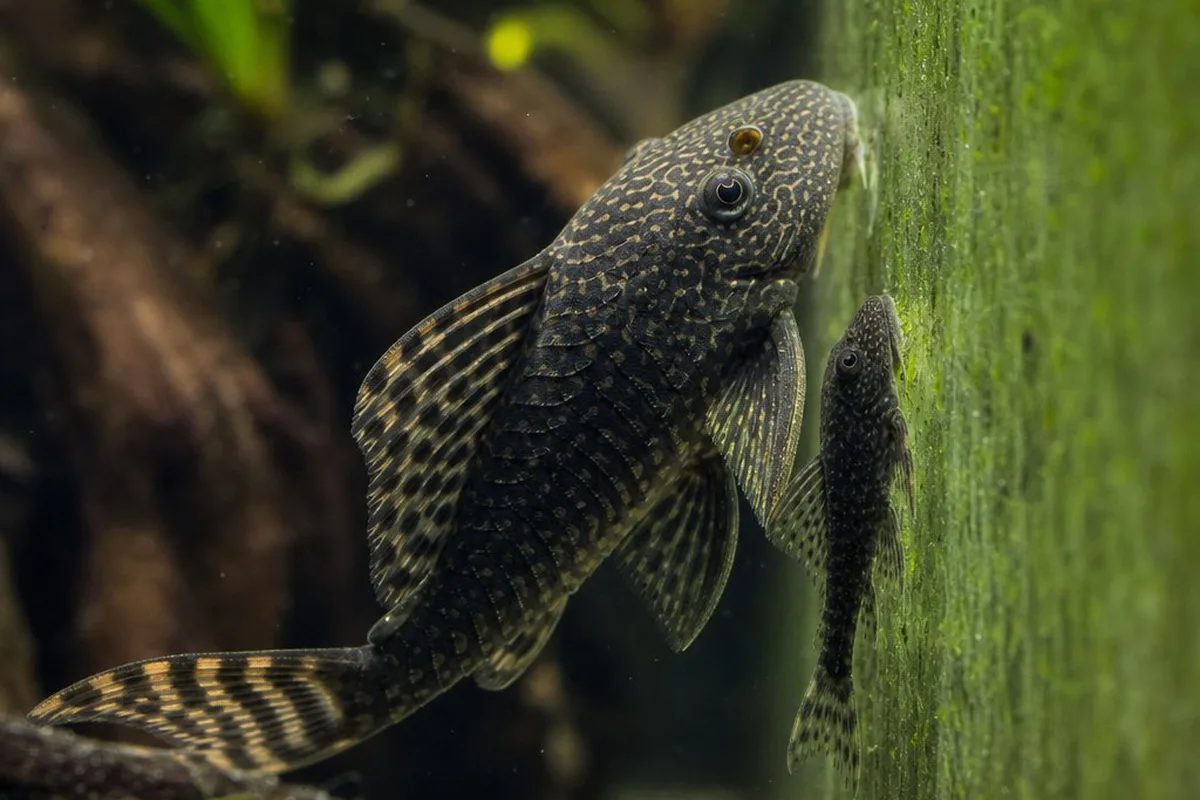
"Get an algae eater" is some of the most common advice in the hobby — and some of the most incomplete, because it usually doesn't account for what happens after the algae eater, well, grows. A small fish bought specifically because it's small and eats a small amount of algae doesn't stay that way, and how fast it grows shapes two separate questions: will it outgrow the tank, and will it outgrow the algae.
Direct Answer: Growth Rate Affects Both Tank Fit and Food Supply
Different algae-eating species grow at very different rates, and that growth rate matters for more than just "will it fit in my tank." As an algae eater grows, its appetite grows with it — but the algae supply in an established, balanced tank doesn't necessarily keep growing to match, because a balanced tank's algae production tends to stabilize (see our algae guide). The result is that fast-growing algae eaters often outgrow the algae supply before they outgrow the tank itself — at which point "algae eater" becomes a fish that needs regular supplemental feeding, which is a different long-term commitment than buying it to begin with implied.
How Common Algae Eaters Compare
- Otocinclus — small (around 2 inches) and slow-growing even relative to other small fish. Their modest size and appetite stay modest, making their long-term footprint — both in tank space and food needs — easy to predict from the start.
- Nerite snails — reach close to full size relatively quickly (months, not years) and then stay roughly that size. This makes them easier to plan around than fish whose size keeps changing for a year or more.
- Bristlenose plecos — often sold small (an inch or two) but can reach 4-5 inches within about a year. That's a substantial size and bioload increase relative to the fish's appearance at purchase, and their appetite for non-algae foods grows accordingly.
- American flagfish — reach their adult size of roughly 2.5-3 inches within a few months. Our American flagfish guide covers the related issue of these fish needing supplemental feeding once they've thinned out the hair/turf algae they were added for.
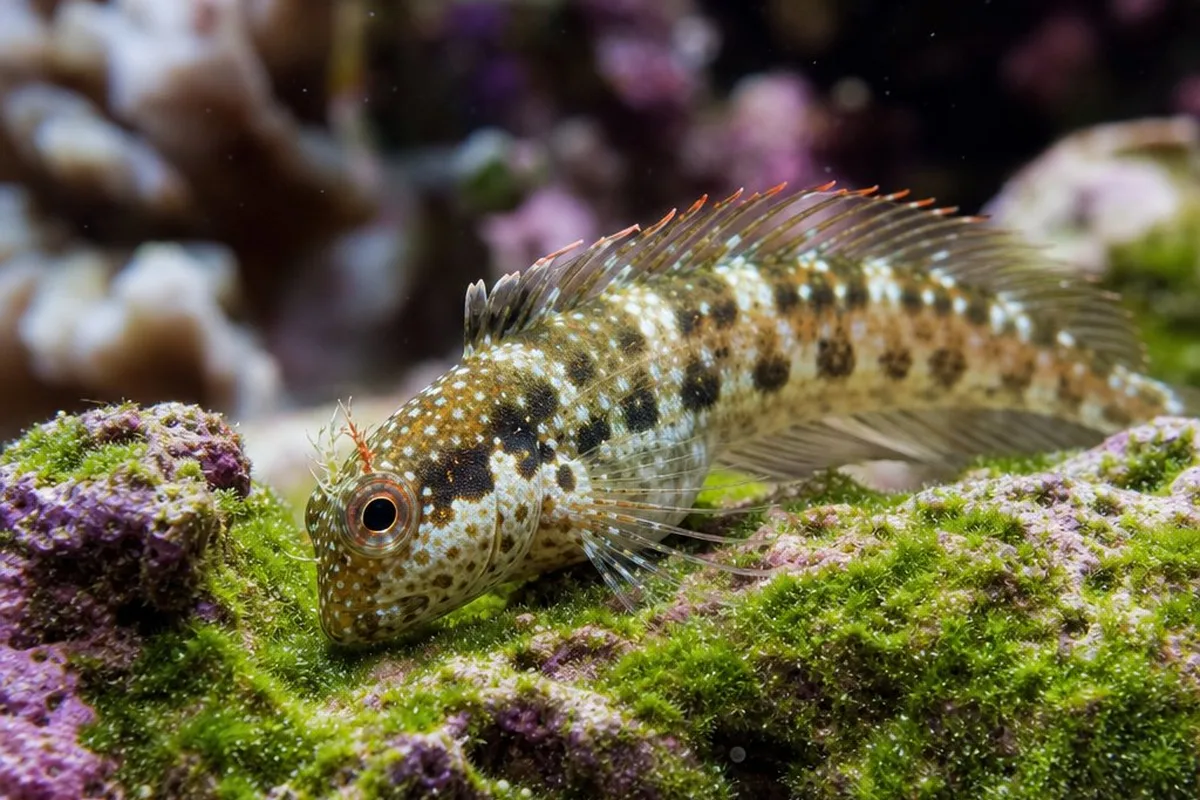
- Lawnmower blenny (saltwater/reef equivalent) — grows to several inches and, as covered in our lawnmower blenny guide, faces the same pattern: effective early on, but needing ongoing algae availability or supplemental feeding as it grows and the algae it's grazing thins out.
The Core Tradeoff: Outgrowing the Tank vs. Outgrowing the Algae
For most algae eaters, "will this fish outgrow my tank" is the question people think to ask — and for slow, small-growing species like otocinclus, the answer is usually no. But for faster-growing or larger-bodied algae eaters, there's a second question that matters just as much: will the algae supply keep up with this fish's growing appetite? In a tank that's working as intended — light and nutrients balanced so algae production has stabilized at a manageable level, per our algae guide — the answer is often no. A juvenile algae eater might genuinely keep pace with algae production at its current size; the same fish a year later, considerably larger, often can't, simply because its food needs have grown while the algae supply hasn't.
This isn't a sign anything has gone wrong — it's actually a sign the tank's algae situation is under control, which was the goal. It just means the algae eater's role shifts from "doing a job" to "needing food like any other fish," and stocking/feeding plans should account for that shift rather than assuming an algae eater is permanently self-sufficient.
Planning Implication: Stock for the Adult, Not the Juvenile
The practical takeaway is the same one that applies to fish stocking generally, just easy to overlook for algae eaters specifically because they're often bought as an afterthought to "deal with" an existing algae situation: plan around the adult size and adult appetite, not the size and appetite at purchase. For species that stay small and grow slowly (otocinclus, nerite snails), this is a minor consideration. For faster-growing or larger-bodied species (bristlenose plecos, American flagfish, lawnmower blenny), it means budgeting for both more bioload and more supplemental feeding over time — and not being surprised when "the algae eater" needs feeding like every other fish in the tank.
Quick Reference
- Algae-eater growth rates vary widely by species — otocinclus stay small, plecos and flagfish grow considerably
- Nerite snails reach near-full size in months and then stay roughly that size
- A balanced tank's algae production tends to stabilize, while a growing fish's appetite doesn't
- Fast-growing algae eaters often outgrow the algae supply before outgrowing the tank
- Bigger algae eaters add more bioload regardless of how much algae they still eat
- Plan stocking and feeding around adult size/appetite, not size at purchase
- Needing supplemental feeding later is normal, not a sign the algae eater "failed"