By Hektor Jorgo
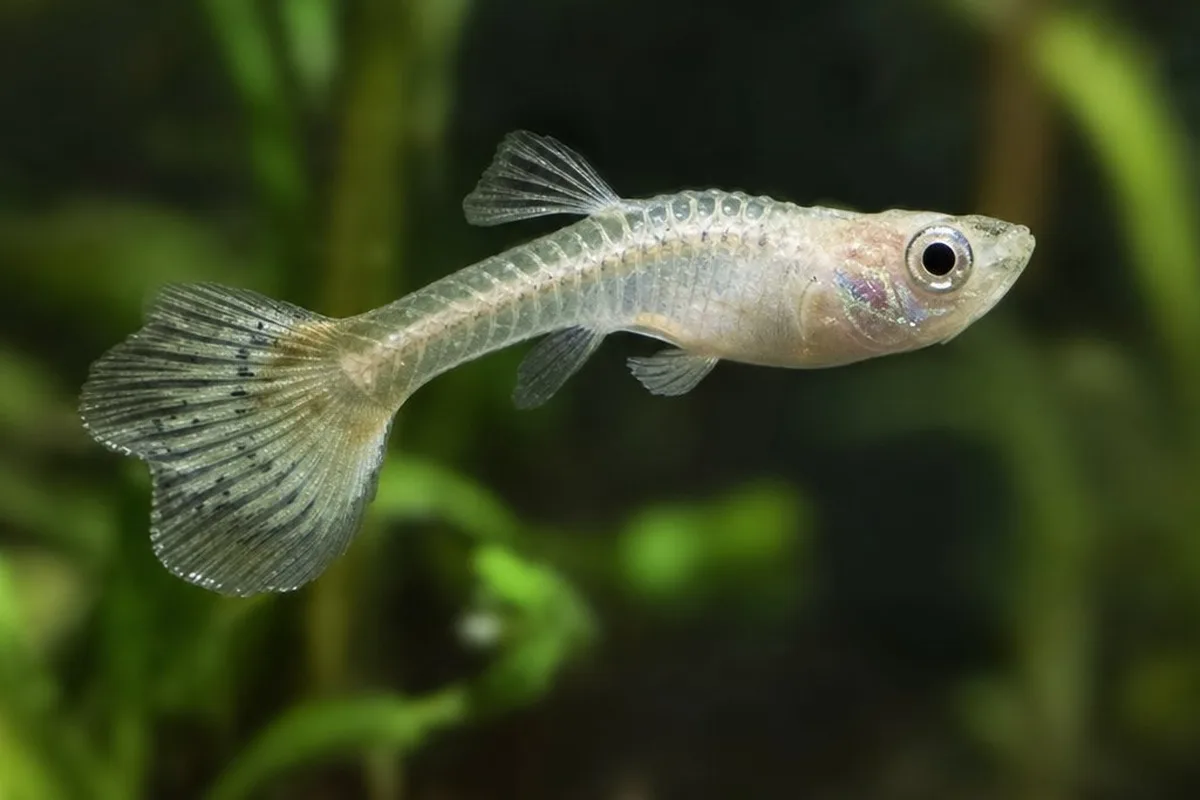
The sailfin molly (Poecilia latipinna) is often shelved alongside guppies and other small livebearers, sold at a similar size and price — but it's a meaningfully different fish once it grows up. A mature sailfin molly is considerably larger than a guppy, prefers harder water than many community tank staples, and the male's namesake dorsal "sail" is a genuine display feature that affects social dynamics in the tank.
Appearance and Natural Range
Sailfin mollies are native to coastal and brackish waters of the southeastern United States, Mexico, and parts of Central America/the Caribbean — a habitat that explains their tolerance for harder water and, optionally, slight brackish salinity. The species' defining feature is the male's enlarged dorsal fin, which can extend much of the length of the body and is raised in a dramatic "sail" display during courtship and male-to-male competition. Females lack this enlarged fin and have a more typical, rounded molly body shape.
Coloration varies by strain — wild-type sailfin mollies are silvery with rows of spots, while selectively bred varieties (including black, marble, and other color forms) are widely available in the trade, similar to how guppies (see our guppy care guide) come in many selectively bred colors and patterns despite a relatively plain wild-type ancestor. The solid-black variety in particular has its own care guide — see black molly care — including a genetic quirk where black coloration can develop white or gold patches over time.
Tank Requirements
Tank Size
29-30 gallons is a realistic minimum for a group of adult sailfin mollies — a notable step up from the 10-gallon recommendation often given for guppies. This reflects both the adult size (4-6 inches, substantially larger than a guppy) and the social/group nature of the species, which does best with enough space for multiple individuals, including more than one male if you want to see sailfin displays (though this also means more sparring between males).
Aquascaping
Sailfin mollies appreciate open swimming space combined with some planted areas — they're more active, open-water swimmers than some livebearers, and the male's large dorsal fin benefits from room to display without constantly brushing against dense decor. Floating plants and some cover along the edges of the tank provide security without crowding the open water mollies use for swimming and displaying.
Water Parameters
| Parameter | Target Range |
|---|---|
| Temperature | 72-82°F (22-28°C) |
| pH | 7.5-8.5 |
| Ammonia / Nitrite | 0 ppm |
| Nitrate | <20 ppm |
| Water hardness | Hard (15-30+ dGH); slight brackish salinity optional |
Sailfin mollies prefer harder, more alkaline water than many freshwater community staples — closer to the water chemistry discussed for African cichlids in our Mbuna diet guide than to soft-water species. Adding a small amount of aquarium salt (well below marine salinity — a "slightly brackish" level) is an option some keepers use, reflecting the species' coastal/brackish natural habitat, though a hard, alkaline freshwater setup without added salt is also workable.
Diet and Feeding
Sailfin mollies are omnivores with a strong leaning toward plant matter and algae in their natural diet:
- A quality flake or pellet with a meaningful plant-based component (spirulina-inclusive foods work well) as a staple
- Algae — sailfin mollies will graze on algae growth in the tank, and some keepers find they help with algae control to a degree, though they shouldn't be relied on as a primary algae solution
- Occasional vegetable matter — blanched zucchini or similar, similar to the approach described for American flagfish, another species with a strong plant-matter component to its diet
- Occasional live/frozen foods for variety, though these should be a smaller part of the diet than for more carnivorous species
Tank Mates and Compatibility
Sailfin mollies are generally peaceful toward other species but can show male-to-male competition centered on the sailfin display. Good tank mate considerations:
- Other livebearers — guppies, platies, and standard mollies can coexist, though see our sailfin molly cross-breeding guide if keeping sailfin and shortfin mollies together, since they can interbreed
- Peaceful, similarly-sized community fish that won't nip at the male's large dorsal fin
- Multiple females per male if keeping males together, to spread out display/courtship attention — a ratio concept that appears across livebearers, similar to guppies (see our guppy care guide)
Avoid: fin-nipping species, which can target the male's prominent sail, and very small or delicate tank mates that might be outcompeted by sailfin mollies' larger size and more active swimming.
Sailfin Display and Social Dynamics
The male's dorsal sail isn't just decorative — it's an active display structure, raised and "flared" during courtship toward females and during dominance posturing toward other males. In a tank with multiple males and adequate space, this can result in regular, mostly non-injurious displays and posturing — part of the appeal of keeping this species in a group large enough to show the behavior.
In a tank that's too small or has only one male, the sailfin display may be seen less often (less competition to display against) or, conversely, a single dominant male in a crowded tank with multiple subordinate males may show more one-sided aggression. 29-30+ gallons with a reasonable male-to-female ratio tends to produce the most natural-looking social dynamics.
Common Health Issues
- Fin damage to the sail — the male's large dorsal fin is more exposed to nipping and physical damage than a standard fin, and can be slower to regrow given its size.
- Fish tuberculosis (mycobacteriosis) — sailfin mollies, like guppies, can be affected; see our guppy tuberculosis guide for symptoms and the (limited) treatment outlook, which applies across livebearers generally.
- Stress from inadequate hardness/space — a sailfin molly kept in soft water and/or a tank too small for its adult size is more prone to general stress-related issues (reduced coloration, lethargy, increased disease susceptibility) than acute, single-cause illness.
Quick Setup Checklist
- Tank: 29-30+ gallons for a group of adults
- Hard, alkaline water (pH 7.5-8.5); slight brackish salinity optional
- Open swimming space + some planted/cover areas
- Diet: plant-forward flake/pellet, algae, occasional vegetables
- Multiple females per male if keeping males together
- Avoid fin-nipping tank mates — the male's sail is vulnerable
- Plan for adult size (4-6 inches) from the start, not the juvenile size at purchase