 By Hektor Jorgo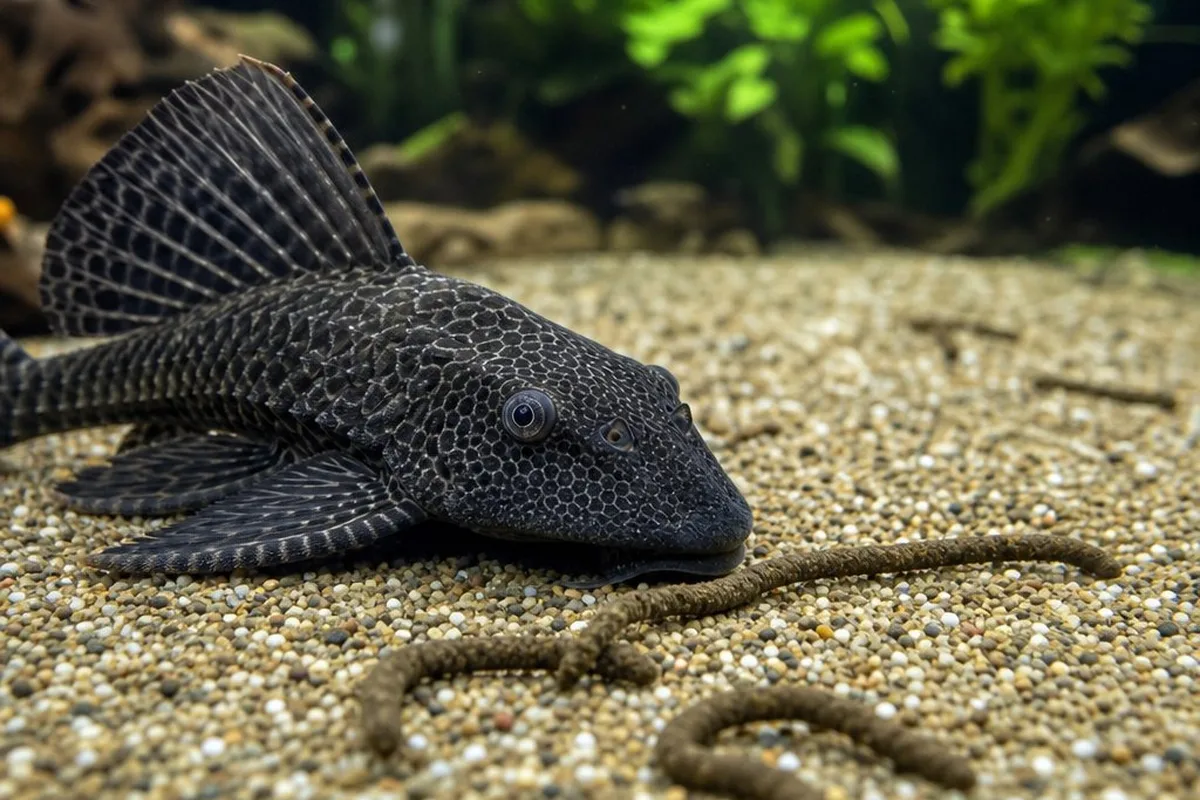
It's not a glamorous topic, but pleco waste is one of the more genuinely useful, low-effort health indicators available to a keeper — both for the individual fish's digestion and diet, and for understanding the bioload your filtration is actually dealing with. A quick look at color and volume tells you more than you might expect.
Short Answer
Pleco waste color and consistency largely reflect diet — brown to dark green/near-black is typical for plant- and driftwood-heavy diets, and some day-to-day variation is normal. White, clear, or stringy waste can indicate the fish hasn't eaten recently, or in persistent cases, a digestive or parasitic issue worth investigating. Separately, plecos produce a meaningful amount of waste relative to their size — a real bioload factor that's easy to underestimate when stocking a tank, especially with species that grow larger than their juvenile size suggests.
What Normal Pleco Waste Looks Like
For a pleco on a typical plant/algae/driftwood-inclusive diet, waste is commonly:
- Brown to dark green or near-black in color
- Firm and somewhat log-shaped, reflecting the high-fiber plant matter that makes up much of the diet
- Variable in exact appearance from day to day, tracking with whatever the fish has recently grazed on or been fed
This variability is normal and not usually a cause for concern on its own — a pleco that's been grazing heavily on driftwood one day and ate more vegetable matter the next can show some difference in waste color between those days.
What Color Variations Can Tell You
Darker brown to near-black: often associated with driftwood-heavy grazing — the wood itself contributes to this coloration, similar to how driftwood affects water tint through tannins (a topic also relevant to African cichlid tanks, where driftwood's effects are considered from a water chemistry angle rather than a diet angle).
Greener tones: often track with algae or vegetable matter intake — a pleco eating more zucchini, cucumber, or grazing more actively on algae growth may show greener waste.
White, clear, or stringy: this is the variation most worth paying attention to. Possible explanations include:
- The fish hasn't eaten recently — waste in this case may reflect mucus from the digestive lining rather than digested food
- A digestive disturbance or parasitic issue, particularly if this appearance is persistent rather than occasional
Red or unusually vivid colors: can sometimes reflect specific foods (certain commercial foods with strong color additives, or meaty foods for more carnivorous species like those discussed in our stingray pleco guide) rather than anything concerning — but if it's not explained by a recent food change, it's worth noting alongside other symptoms.
Waste Output and Bioload Considerations
This is the part that's easy to overlook when planning a tank: plecos that graze heavily produce a lot of waste relative to their size, because they're processing large volumes of relatively low-nutrient plant matter and driftwood throughout the day. A tank stocked based on a simple "inches of fish per gallon" guideline may end up under-filtered once a grazing pleco is added, even if the fish count and total size seem reasonable on paper.
Practical implications:
- Filtration should account for grazing species specifically, not just total fish size — a tank with one large pleco may need filtration closer to what you'd provide for a notably more heavily-stocked tank without one
- Regular substrate cleaning/gravel vacuuming becomes more important in pleco-stocked tanks, since waste can accumulate in substrate between water changes
- This bioload consideration compounds with species that are sold small but grow into a much larger adult — a dynamic discussed in detail in our channel catfish tank conditions guide, where a fish's "on paper" bioload at purchase size bears little resemblance to its bioload as an adult
When Pleco Waste Signals a Problem
Use waste appearance as one data point among several, not a standalone diagnosis:
- Persistent white/stringy waste + reduced appetite or activity → worth investigating as a potential digestive or parasitic issue, similar in spirit to the bloating concerns covered in our bloated cory catfish guide for another bottom-dwelling species
- Sudden, dramatic color change with no corresponding diet change → worth noting, though not automatically alarming on its own
- No waste at all over an extended period, especially with reduced appetite → a more concerning combination, potentially indicating a blockage or significant digestive issue
Quick Reference
- Brown to dark green/near-black waste is typical for plant/driftwood-heavy diets
- Day-to-day color variation tracking with diet is normal
- White, clear, or stringy waste — note it, and watch for persistence + other symptoms
- Plecos are a real bioload factor — filtration should account for grazing behavior, not just fish size
- Regular substrate maintenance matters more in pleco-stocked tanks
- Combine waste observations with appetite/activity for a fuller picture
- Persistent abnormal waste + other symptoms warrants closer investigation, not just monitoring


