By Hektor Jorgo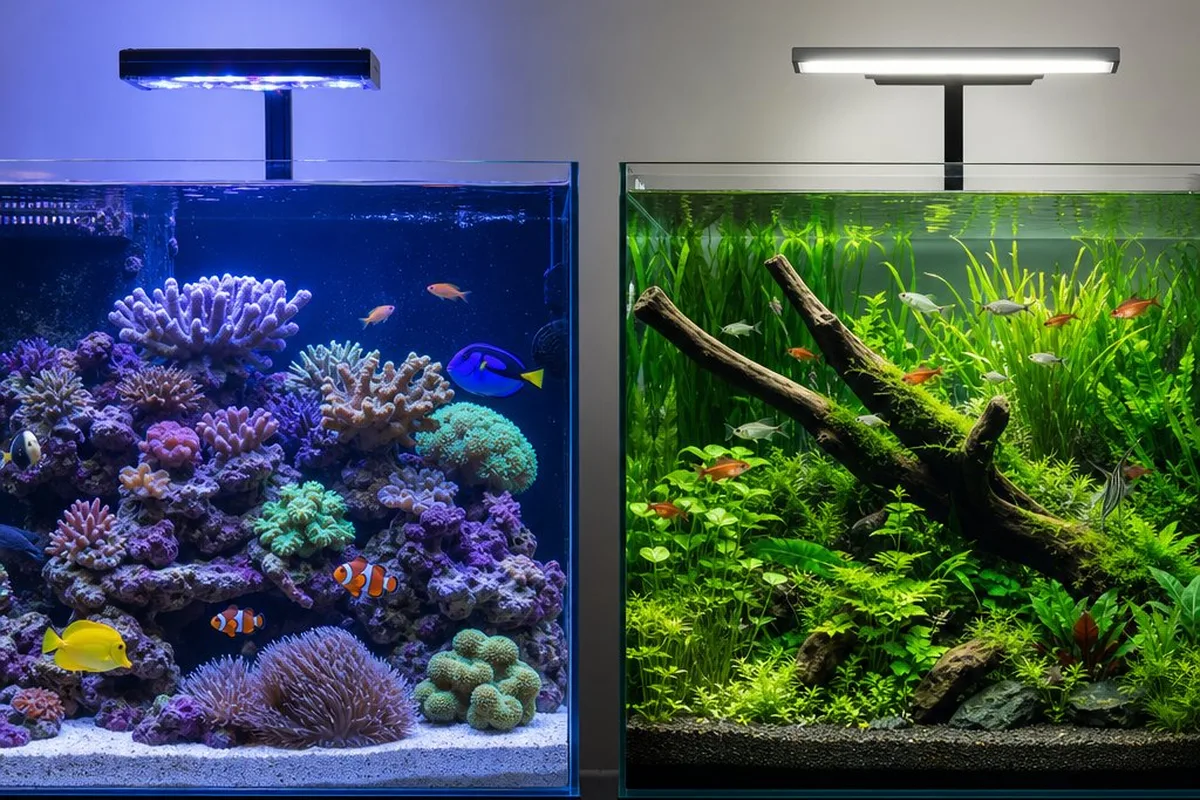
It's a question that comes up naturally once you've spent time around both saltwater and freshwater tanks: if a fish can swim, why can't it just swim in either kind of water? The answer isn't about swimming at all — it's about what's happening at the cellular level, every second, just to keep a fish's internal chemistry stable.
Short Answer
A fish's body is in constant osmotic conflict with the water around it — water and salts are always trying to move across the gills and skin toward equilibrium, and the fish's organs work continuously to counteract that movement in whichever direction it's happening. Marine fish and freshwater fish are adapted to fight this battle in opposite directions. Move a fish from one environment to the other, and the battle it's built to fight suddenly runs backward — which is why, for most species, it's not survivable without a long, gradual, and carefully managed transition (and for many species, not survivable at all).
What Osmoregulation Actually Means
"Osmoregulation" sounds technical, but the underlying idea is simple: water naturally moves across a permeable membrane (like gill tissue) from the side with less dissolved salt toward the side with more dissolved salt, until both sides reach the same concentration. A fish's gills and skin are permeable enough for this to happen constantly with the surrounding water — so a fish's body is never in equilibrium with its environment by default. Every fish spends energy fighting this constant pull, just in different directions depending on where it lives.
Marine Fish: Constantly Losing Water
Seawater is saltier than a marine fish's body fluids. That means water is always being pulled out of the fish's body and into the ocean. To survive this constant water loss, marine fish:
- Drink seawater continuously to replace lost water — something that would be unusual or harmful for most freshwater fish
- Excrete salt actively through specialized cells in their gills, getting rid of the large amount of salt that comes along with all that seawater they drink
- Produce very little urine, conserving as much water as possible
Freshwater Fish: Constantly Gaining Water
Freshwater fish face the opposite problem. Their body fluids are saltier than the water around them, so water is constantly moving into their bodies by osmosis — through the gills, the skin, even through food. To deal with this:
- They rarely drink — they don't need to, and drinking would only add to the water they're already gaining
- Their kidneys produce large volumes of dilute urine, constantly flushing out the excess water entering the body
- Their gills actively take up salt from the water to replace what's lost through that urine output
Why You Can't Just Swap
Put a marine fish in freshwater, and its body suddenly faces the opposite of what it's built for: instead of losing water, it starts gaining water rapidly, faster than its salt-conserving, low-urine-output kidneys can handle. Cells swell, internal salt balance collapses, and for most species this is fatal within a short period.
Put a freshwater fish in saltwater, and the reverse happens: its body suddenly starts losing water rapidly to the surrounding saltwater, faster than its high-volume urine production and salt-absorbing gills — built for the opposite problem — can compensate. The fish effectively dehydrates despite being underwater.
The Exception: Euryhaline Fish
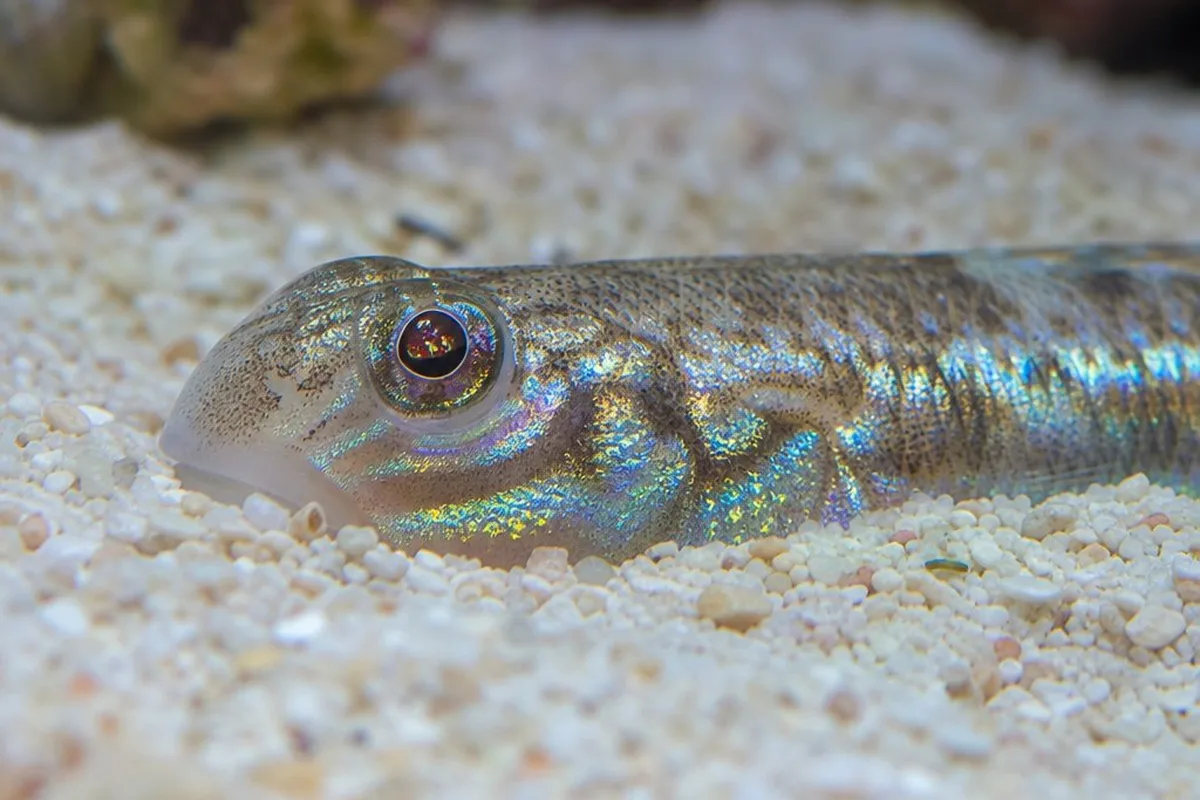
A relatively small number of species — called euryhaline fish — have evolved the physiological machinery to actively switch their osmoregulation depending on the salinity they're in. Some well-known examples include mollies, certain goby species adapted to brackish estuaries (like the dragon goby, often kept in brackish aquarium setups), and salmon, which migrate between freshwater rivers and the ocean as part of their natural life cycle. Another striking example is the four-eyed fish, an estuarine species whose split-pupil eyes are themselves an adaptation to a life spent moving between water and air right at a brackish surface.
Even for these species, the switch isn't instant. A gradual acclimation — often over days to weeks — gives the fish's gills and kidneys time to adjust their salt and water handling. A sudden change, even for a tolerant species, causes significant stress.
Most fish, including the large majority of species kept in both the saltwater and freshwater hobbies, are stenohaline — adapted to a narrow salinity range with no meaningful ability to adjust. For these fish, the "can it live in the other type of water" question has a simple answer: no, and attempting it isn't a gray area.
Quick Reference
- Osmoregulation is the constant management of water/salt movement across a fish's gills and skin
- Marine fish constantly lose water to their saltier surroundings and compensate by drinking seawater and excreting salt
- Freshwater fish constantly gain water from their less-salty surroundings and compensate with high urine output and active salt uptake
- Swapping environments reverses each fish's osmotic battle, which is fatal for most species
- Euryhaline species (mollies, some gobies, salmon) can adjust — but only gradually, not instantly
- Most aquarium fish, marine or freshwater, are stenohaline and have no tolerance for the "other" water type