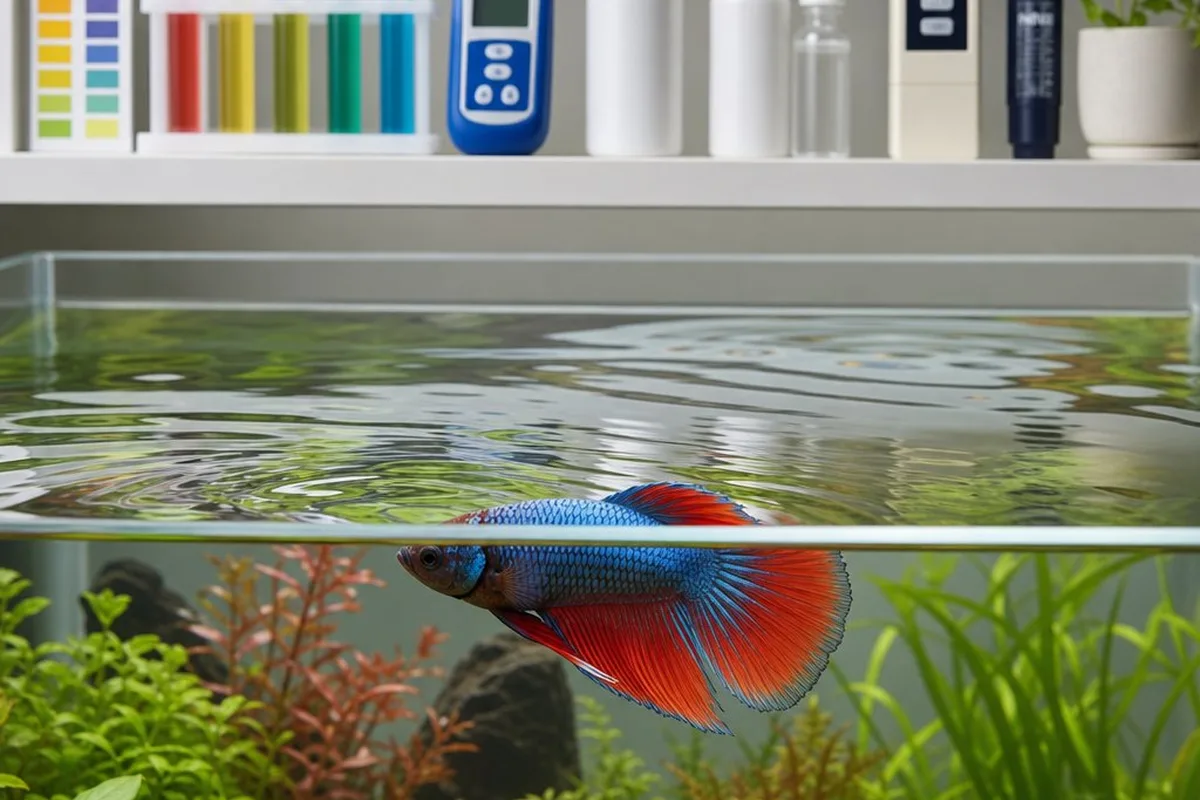
Why Can't Fish Breathe Air? How Gills Actually Work

A close-up of a fish's gill structure, showing thin filaments designed to function underwater

Quick Facts

Why Fish Can't Breathe Air
Gills rely on water's buoyancy to keep their thin filaments spread apart and moist — out of water they collapse and dry out
Oxygen in Air vs. Water
Air contains roughly 20x more oxygen by volume than water — but collapsed gills can't extract it
Gill Surface Area
Gills pack an enormous surface area into thin filaments designed to work while submerged and spread apart
Some Fish CAN Breathe Air
Labyrinth fish (like bettas and gouramis) have an additional organ for gulping atmospheric air
Lungfish
Some species have true lung-like organs and can survive out of water for extended periods
'Gasping' at the Surface
Usually a sign of low dissolved oxygen in the water — not an attempt to breathe air directly
How Long Out of Water
Most fish without air-breathing adaptations suffocate within minutes out of water
Bottom Line
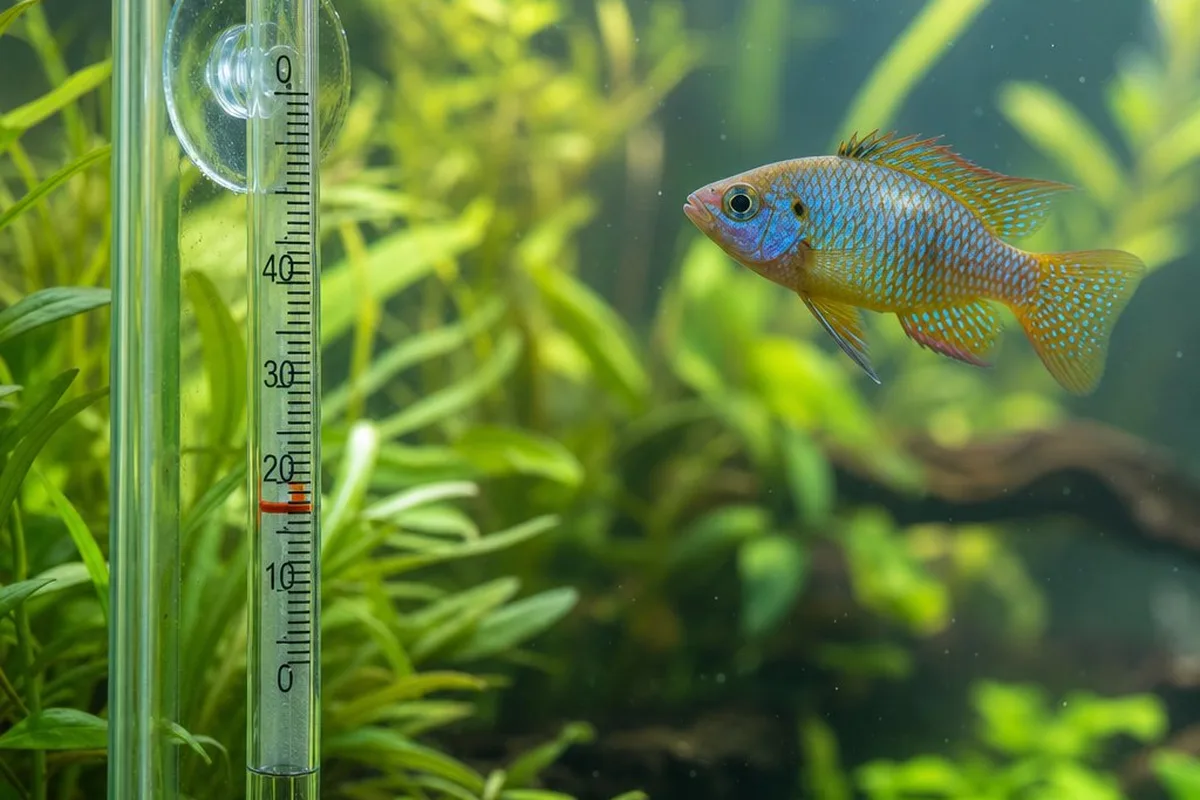
Fish don't 'refuse' to breathe air — their gas-exchange organs are physically built for a different medium

It's one of those facts that seems backwards at first: the air around a fish out of water has far more oxygen in it than the water it just left — and yet that fish is in serious trouble within minutes. The explanation isn't about oxygen quantity at all. It's about what gills physically need in order to work.

Direct Answer: Gills Need Water's Support to Function, Not Just Oxygen

Fish can't breathe air because their gills depend on water's buoyancy to keep their oxygen-absorbing filaments spread apart and moist. Gills work by exposing a huge surface area of thin filaments to flowing water, where dissolved oxygen diffuses directly into the bloodstream. Out of water, those filaments collapse against each other under gravity (with no water to hold them apart) and dry out quickly — both of which drastically reduce the functional surface area available for gas exchange. The air itself has plenty of oxygen; the gills are simply no longer in a physical configuration that can use it.

Why Gills Are Built the Way They Are

A gill's design is essentially a surface-area maximization problem: pack as much thin, blood-rich tissue as possible into a small space, so that as water flows past, oxygen can diffuse across that tissue efficiently. This works extremely well underwater, where:

  • Water's density and buoyancy keep the delicate filaments spread apart and exposed
  • Continuous water flow (from swimming or gill movement) keeps fresh, oxygen-bearing water moving across the gill surface
  • The moist environment keeps gill tissue in the state it needs to be in for gas exchange

Remove the water, and all three of these supports disappear simultaneously — which is why the effect is so fast.

The Exceptions: Fish That Really Can Breathe Air

A number of fish have evolved additional, specialized structures for taking in atmospheric air, used alongside (not instead of) gills:

  • Labyrinth fish — including bettas and gouramis (see our betta care guide) — have a labyrinth organ that lets them gulp air at the surface and extract oxygen from it. This is a normal part of their biology, which is part of why bettas are often kept in lower-flow setups and tolerate a wider range of water conditions than many fish.
  • Lungfish — have true lung-like organs, and some species can survive out of water (including buried in mud during dry seasons) for extended periods.

These are specific adaptations found in a relatively small number of fish groups — the overwhelming majority of fish have no meaningful capacity to extract oxygen from air.

"Gasping" at the Surface: Usually About the Water, Not the Air

For most fish, repeated trips to the surface with a gulping motion is a sign of low dissolved oxygen in the water — the fish is seeking out the surface layer, where oxygen exchange with the air above tends to keep concentrations highest, covered in more depth in our guide on how long fish can survive without an air pump or filter. This is different from labyrinth fish making routine surface trips as part of normal behavior — for fish without that adaptation, persistent surface gasping is worth treating as a water-quality signal rather than normal behavior.

Why This Matters Beyond the Tank

This isn't purely academic — it's the reason a few common real-world situations are more urgent than they might look. A fish that jumps out of an open tank needs to be returned to water quickly, for exactly the reasons above. The same principle is why minimizing air exposure is one of the most important parts of catch-and-release handling, covered in our guide to whether fishing hurts fish — every minute a fish spends out of water is a minute its gills are collapsing and drying out, regardless of how gently it's otherwise handled.

Quick Reference

  • Gills need water's buoyancy to keep their filaments spread apart and moist
  • Out of water, gill filaments collapse and dry out — reducing usable surface area drastically
  • This happens regardless of how much oxygen is in the surrounding air
  • Labyrinth fish (bettas, gouramis) and lungfish have separate air-breathing adaptations
  • Surface gasping in most fish points to low dissolved oxygen in the water, not "trying to breathe air"
  • Most fish without air-breathing adaptations suffocate within minutes out of water
Frequently Asked Questions

Why exactly do fish suffocate out of water if air has more oxygen than water?

The issue isn't the amount of oxygen available — it's whether the gills can physically access it. Gills work by exposing a huge surface area of thin, blood-vessel-rich filaments to passing water, which is how dissolved oxygen diffuses into the bloodstream. Those filaments are extremely thin and delicate, and underwater, the water itself provides buoyant support that keeps them spread apart from each other, each one exposed to flowing water. Out of water, that support disappears — the filaments collapse against each other under their own weight (and gravity), dramatically reducing the surface area actually exposed to air. On top of that, the filaments dry out quickly once exposed to air, which further impairs gas exchange — moist tissue is part of how the exchange works. So even though the air around a fish out of water contains far more oxygen per volume than the water it came from, the gills are no longer in a physical state where they can use it.

Are there fish that actually CAN breathe air?

Yes — a number of fish have evolved additional structures specifically for taking in atmospheric air, on top of (not instead of) their gills. Labyrinth fish — a group that includes bettas and gouramis, covered in our betta care guide — have a specialized organ (the labyrinth organ) that lets them gulp air at the surface and extract oxygen from it directly, which is part of why these fish are often seen taking trips to the surface even in well-oxygenated water. Lungfish take this further, with true lung-like organs that let some species survive out of water — even in mud, during dry seasons — for extended periods. These are specific evolutionary adaptations, not a capability most fish have to any degree — the vast majority of fish species rely on gills alone and have no functional way to extract oxygen from air.

Is a fish gasping at the surface 'trying to breathe air'?

For most fish, no — surface gasping is much more often a sign of low dissolved oxygen in the water itself, and the fish is trying to access the layer of water at the surface where oxygen concentration tends to be highest (due to gas exchange with the air above). This is a water-quality signal worth paying attention to — low dissolved oxygen can result from overcrowding, poor surface agitation, warm water (which holds less dissolved oxygen), or a recent issue affecting the tank's oxygen balance. For labyrinth fish like bettas, surface trips are more normal and routine, since they're genuinely supplementing gill respiration with gulped air as part of their normal behavior — the distinction is that for labyrinth fish, occasional surface visits are expected, while for fish without that adaptation, persistent surface gasping points toward a water-quality issue worth investigating.

How long can a typical fish survive out of water?

For most fish without air-breathing adaptations, suffocation can occur within minutes out of water — often faster than people expect, since gill function degrades quickly once filaments collapse and begin to dry. The exact time varies with species, size, humidity, and temperature (a cooler, more humid environment slows drying and can extend survival somewhat), but it's not a 'wait it out' situation for the vast majority of fish. This is part of why quick action matters if a fish ends up out of the tank — getting it back into water promptly gives gills the best chance of recovering before lasting damage occurs. Species with air-breathing adaptations (labyrinth fish, lungfish, and a handful of others) are the exception, and even they generally need to stay moist.

Sources & Further Reading

  1. Fish Respiration and Gill Function — Seriously Fish
  2. Labyrinth Fish Biology Discussion — Practical Fishkeeping
Hektor Jorgo

About the Author: Hektor Jorgo

Co-Founder & Marine Biologist

Hektor is a co-founder of Sea Life Planet and has kept reef and freshwater aquariums for over 15 years. He holds a background in marine biology and focuses on species care accuracy, water chemistry, and tank husbandry.