By Hektor Jorgo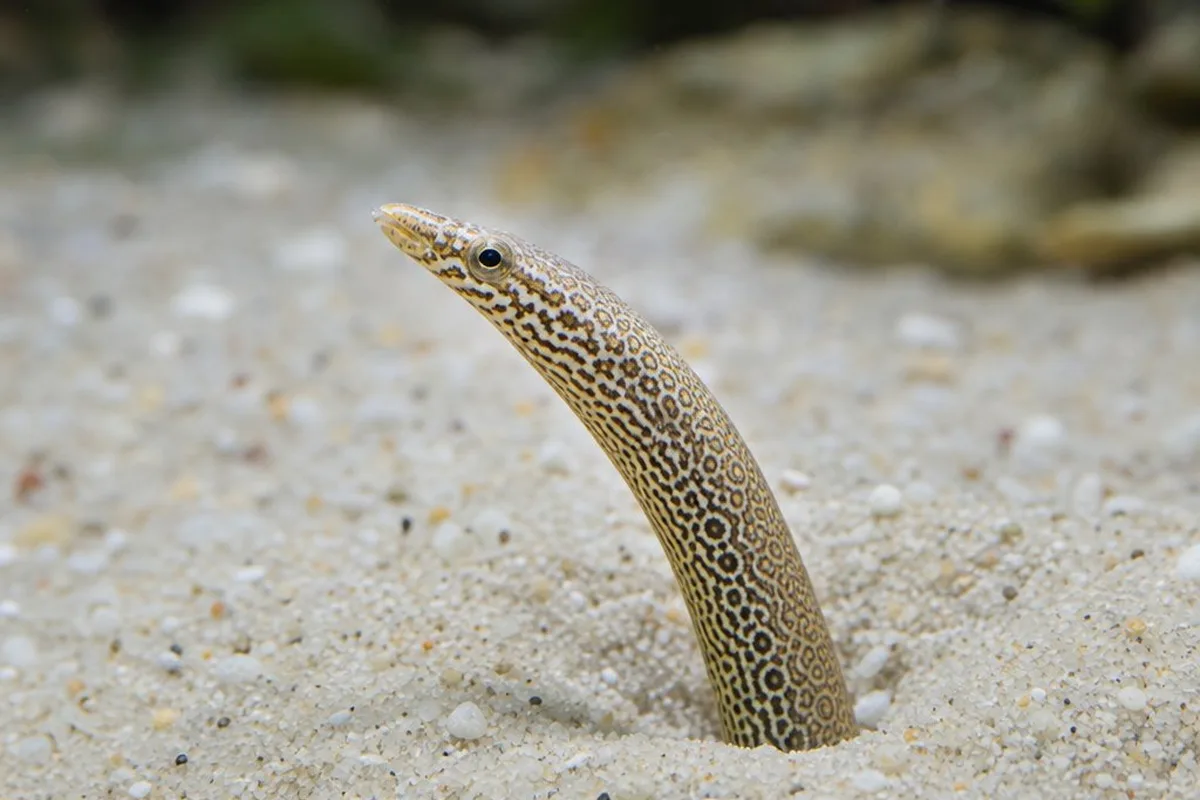
The peacock eel (Macrognathus siamensis) is an interesting, often-overlooked fish — a slender, patterned, mostly nocturnal burrower that doesn't fit neatly into the "community fish" or "cichlid tankmate" categories most stocking advice is built around. Whether it works with African cichlids comes down to the same recurring themes as other mismatched pairings: water chemistry, substrate/behavior needs, and temperament risk.
Short Answer: Possible, But With Real Caveats
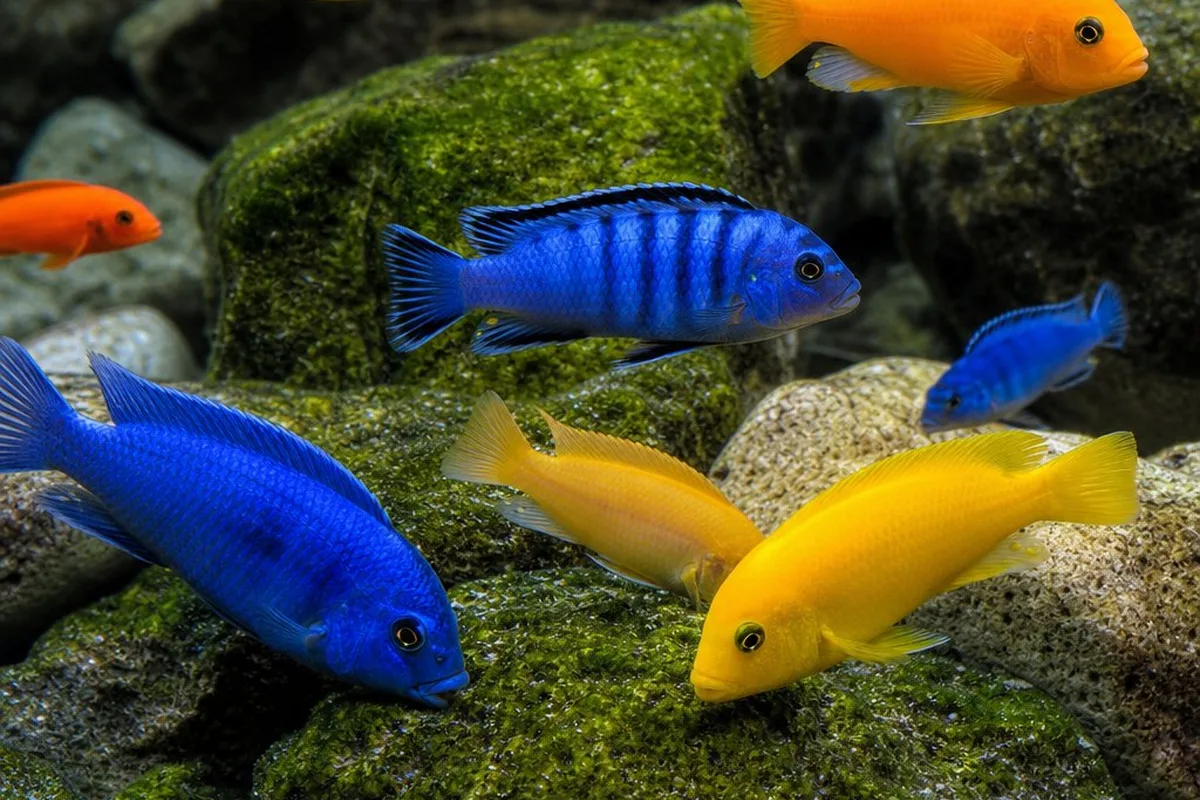
A peacock eel can technically share a tank with African cichlids, but two factors work against it: peacock eels prefer soft to moderately hard, neutral to slightly acidic water (pH 6.5-7.5), while most African cichlids need hard, alkaline water (pH 7.8-8.6) — and peacock eels are burrowers that need open, fine sand areas, which may be limited in a rock-heavy cichlid aquascape. There's also a temperament risk: a slow-moving, often-buried eel can be an easy target for more aggressive cichlid species. This pairing works best, if at all, with peaceful cichlid species and a tank designed with both rockwork and open sand.
About the Peacock Eel
Macrognathus siamensis is native to slow-moving, vegetated waters in Southeast Asia — a habitat with soft, slightly acidic water, very different from the hard, mineral-rich Rift Lakes that most popular African cichlids call home. Peacock eels grow to around 12 inches (often somewhat smaller in aquarium conditions), are largely nocturnal, and spend much of the day buried in or hidden among substrate, becoming more active as lights dim.
Water Parameter Mismatch
This is the same fundamental issue raised in our driftwood and cichlid tank guide and Bala sharks with cichlids guide: a soft/neutral-water species paired with hard/alkaline-water cichlids means one or both groups are living outside their preferred range. Peacock eels are reasonably adaptable within a moderate range, so a "middle ground" pH (say, 7.4-7.8) might be tolerable for the eel while being on the lower end of acceptable for the cichlids — but it's a compromise, not an ideal setup for either.
Burrowing Behavior and Substrate Conflicts
Peacock eels need fine, soft sand to burrow into — this isn't optional or purely aesthetic; it's core natural behavior tied to how the species rests, hides, and feels secure. Many African cichlid tanks, especially those built around Mbuna (covered from the diet side in our Mbuna guide), lean heavily toward rockwork for territory division, sometimes leaving limited open sand area.
The 75-gallon peacock cichlid tank guide describes a setup with more open sand area than a typical Mbuna tank — which, if you're set on this pairing, points toward a peacock-cichlid-style aquascape (open sand plus rock piles) as a more workable starting point than a dense, all-rock Mbuna setup.
Risk From Aggressive Cichlids
A peacock eel's defense strategy is essentially avoidance — staying buried, being nocturnal, not competing directly for territory. This works well against predators in the wild but doesn't offer much protection against a territorial tankmate that decides the eel's hiding spot, or the eel itself when it surfaces to feed, is a problem. More aggressive cichlid species (many Mbuna among them) are more likely to harass a slow-moving bottom-dweller than peaceful species are.
An injured eel faces the same kind of secondary-infection risk discussed in our cloudy eyes in cichlids guide, and the stress of ongoing harassment can contribute to the kind of digestive issues that Epsom salt is sometimes used to support after the fact — underscoring that prevention through tankmate selection is the more reliable path here.
When It Might Work
- Peaceful cichlid species (peaceful Malawi haps, peacocks rather than the more aggressive Mbuna) reduce the harassment risk significantly.
- A sand-inclusive aquascape with meaningful open areas, not just rock-to-rock coverage, gives the eel room to express burrowing behavior.
- A larger tank generally helps, both by giving the eel more space to avoid conflict and by reducing the territorial pressure that drives cichlid aggression in the first place.
- A pH compromise in the 7.4-7.8 range, with monitoring, may be tolerable for both, though it's outside the ideal range for each.
Better Tankmates (For Either Group)
If the goal is a peacock eel specifically, a soft-water Southeast Asian community or biotope tank — without African cichlids — is a more straightforward match for its water chemistry and substrate needs. If the goal is an African cichlid tank, other Rift Lake cichlids and robust catfish (as discussed in our Bala sharks with cichlids guide) are a more reliable fit than soft-water specialty species like the peacock eel.
Quick Reference
- Peacock eels prefer soft/neutral water (pH 6.5-7.5); most African cichlids need hard/alkaline (7.8-8.6)
- Peacock eels need fine sand for burrowing — check your aquascape has open sand areas
- Aggressive cichlid species (many Mbuna) pose a real harassment/injury risk to a slow eel
- Peaceful cichlid species + sand-inclusive aquascape improve the odds
- A pH compromise (7.4-7.8) is possible but isn't ideal for either group
- If injury/stress occurs, watch for secondary infection and digestive issues
- For a dedicated peacock eel setup, a soft-water community/biotope tank is simpler