Mandarin Fish (Mandarin Dragonet): Care, Diet & Feeding Challenges

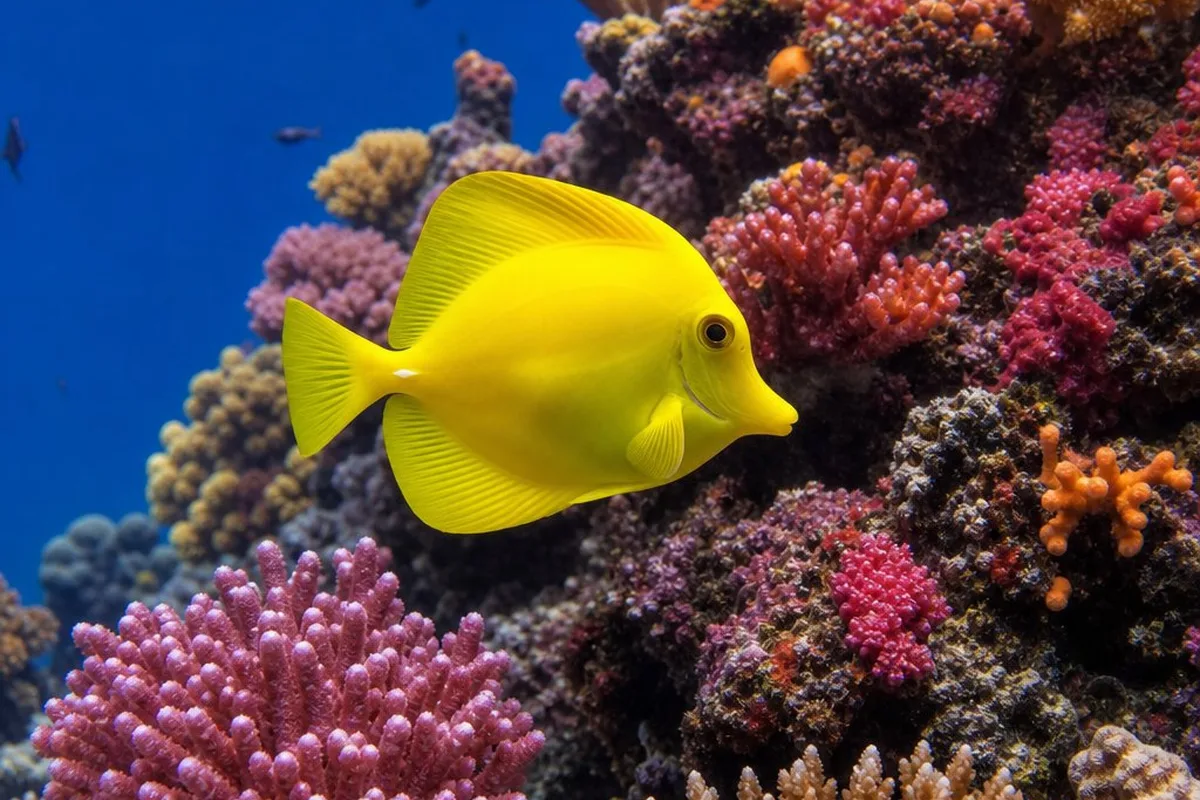
A mandarin fish (mandarin dragonet) with its psychedelic blue and orange pattern resting on live rock

Quick Facts

Scientific Name
Synchiropus splendidus (mandarin dragonet) — sometimes called 'mandarin goby,' though it isn't a true goby
Appearance
Psychedelic swirling pattern of blue, orange, and green — one of the most distinctive color patterns of any reef fish
Diet
Almost exclusively live copepods and other small benthic invertebrates picked off rock and substrate
Major Care Challenge
Most mandarins won't readily accept prepared foods — they need an established population of live pods in the tank to graze on continuously
Tank Requirements
A large, mature tank (ideally 75+ gallons with substantial live rock) to sustain an ongoing copepod population
Temperament
Peaceful and slow-moving; reef-safe with corals and most invertebrates
Same-Species Aggression
Two males (or sometimes same-sex pairs) housed together often results in aggression; a male/female pair is generally the safer combination
Lifespan in Captivity
Often shorter than their potential lifespan specifically due to chronic underfeeding/starvation in undersized or immature tanks

Few fish in the hobby get photographed as much as the mandarin fish — its swirling blue-and-orange pattern looks almost airbrushed, and it's hard to overstate how different it looks from nearly everything else in a reef tank. Unfortunately, its popularity in photos doesn't match its track record in captivity, and the reason comes down almost entirely to one thing: food.

Short Answer

The mandarin fish (Synchiropus splendidus), more accurately called a mandarin dragonet, is a small, peaceful, strikingly patterned reef fish that is reef-safe and undemanding in terms of water parameters — but has a diet built almost entirely around live copepods, which most individuals won't substitute with prepared foods. This makes a large, mature, heavily-rocked tank with an established copepod population essentially a requirement, not an upgrade. A mandarin added to a small or newly set up tank, however healthy that tank otherwise is, is at serious risk of slow starvation — which is the single most common reason mandarins have a reputation for not surviving long in captivity.

What a Mandarin Fish Actually Is

Despite being widely called a "mandarin goby," the mandarin is a dragonet (family Callionymidae), not a true goby (family Gobiidae). The two groups share a generally similar body shape and bottom-oriented lifestyle — both perch on rock and substrate rather than swimming continuously in open water — which is likely why the names get conflated so often. Our general guide to gobies goes into what actually distinguishes a true goby, including some species that get the same "goby" label despite not technically being one.

The Diet Problem, in Detail

In the wild, mandarins spend their time continuously picking small live invertebrates — copepods, amphipods, and similar tiny organisms — off of rock, sand, and detritus. This isn't a "few big meals a day" feeding pattern; it's closer to constant grazing on a food source that's small individually but abundant in a healthy reef environment.

In captivity, this translates to a hard requirement: the tank itself needs to be producing live pods continuously, in quantities sufficient to keep up with the mandarin's grazing. Most mandarins — especially wild-caught ones, which make up a large portion of those sold — won't switch to flakes, pellets, or frozen foods, at least not without a long and uncertain acclimation process that doesn't always succeed. A tank that looks "fine" by every other water-quality measure can still be an empty pantry for a mandarin if it lacks an established pod population.

What "Large and Mature" Actually Means Here

The often-cited "75 gallons or more" recommendation isn't really about swimming space — mandarins are small, slow fish that don't need much room to move. It's a proxy for rock surface area and substrate volume, which is what actually determines how large a self-sustaining pod population a tank can support. A large tank with minimal live rock may support fewer pods than a smaller tank packed with mature, pod-rich rock. Some keepers run refugiums — separate, connected systems specifically dedicated to growing pods — to supplement the main tank's population, and copepod cultures/additions exist as well, but these work best as a supplement to an already-capable system rather than a fix for a tank that fundamentally can't sustain pods.

Temperament and Tankmates

Mandarins are about as peaceful as reef fish get — they don't bother corals, don't harass other fish, and don't compete aggressively for food in the way some faster-moving species do. That last point cuts both ways: in a tank with aggressive, fast-eating fish, a mandarin can lose out on the limited live-food supply simply by being slower and less assertive, compounding the feeding challenge.

The one real behavioral caveat is same-species aggression — two male mandarins kept together often fight persistently, and keeping more than one mandarin generally works out better as a confirmed male/female pair than as two of uncertain or matching sex.

Quick Reference

  • Mandarin fish (mandarin dragonet, Synchiropus splendidus) — not actually a "goby" despite the common name
  • Diet is almost entirely live copepods picked continuously off rock and substrate
  • Most mandarins won't reliably eat prepared foods, especially wild-caught individuals
  • A large, mature, heavily-rocked tank with an established pod population is essentially required
  • Refugiums and pod cultures can supplement but don't replace a tank's own pod-producing capacity
  • Peaceful, reef-safe, and undemanding on water parameters — feeding is the real challenge
  • Two males together often fight; a male/female pair is the safer multi-mandarin combination

Frequently Asked Questions

Is a mandarin fish the same thing as a mandarin goby?

No — 'mandarin goby' is a common but technically incorrect name. The mandarin fish, Synchiropus splendidus, is a dragonet, not a true goby. Dragonets and gobies are both small, bottom-associated marine fish that superficially resemble each other in body shape and behavior — both tend to perch on rock or substrate rather than swimming constantly in open water — which is almost certainly why the 'mandarin goby' name became so widespread despite being inaccurate. Our general guide to gobies covers what actually defines a true goby and how dragonets like the mandarin differ, since this naming mix-up comes up constantly in the hobby.

Why are mandarin fish considered difficult to feed?

Because their natural diet is almost entirely live copepods and other tiny benthic invertebrates, which they pick off rock, sand, and detritus continuously throughout the day — they're essentially grazers with a very small, frequent feeding pattern rather than fish that eat a couple of larger meals. Most mandarins, especially wild-caught individuals, won't recognize prepared foods (flakes, pellets, frozen) as food at all, at least not initially. This means a mandarin's actual food source in captivity is overwhelmingly the live pod population living in the tank's rock and substrate — and a tank without an established, ongoing pod population effectively has no food source for the fish, regardless of what's added to the water. This is the single biggest reason mandarins are considered a 'difficult' species despite being peaceful, reef-safe, and undemanding in terms of water parameters.

What size and type of tank does a mandarin fish actually need?

A large, mature, heavily-rocked tank — generally 75 gallons or more is commonly recommended, though the exact number matters less than the underlying requirement: enough live rock surface area and substrate to support a self-sustaining copepod population large enough that the mandarin's continuous grazing doesn't outpace reproduction. A small or new tank simply doesn't have the rock surface area or the established microfauna to support this, no matter how well-fed the rest of the tank's inhabitants are. Some keepers supplement with refugiums (separate connected tanks growing pods specifically to feed the main tank) or copepod cultures, but these are additions to — not replacements for — a tank that can sustain its own pod population.

Are mandarin fish reef-safe and peaceful with other fish?

Yes, on both counts, generally. Mandarins don't bother corals or most reef invertebrates, and they're slow-moving, peaceful fish that don't compete aggressively with most tankmates for food or territory — assuming there's enough pod population to go around, since a mandarin competing with fast, aggressive eaters for limited live food is at a disadvantage. The one notable exception to their peaceful reputation is same-species aggression: two male mandarins (or in some cases, two of the same sex generally) housed together can result in persistent fighting. A male/female pair is generally considered the safer way to keep more than one mandarin in the same tank, when keeping more than one is desired at all.

Sources & Further Reading

  1. Mandarin Dragonet Care & Feeding — Reef2Reef
  2. Synchiropus splendidus — FishBase
Hektor Jorgo

About the Author: Hektor Jorgo

Co-Founder & Marine Biologist

Hektor is a co-founder of Sea Life Planet and has kept reef and freshwater aquariums for over 15 years. He holds a background in marine biology and focuses on species care accuracy, water chemistry, and tank husbandry.