By Hektor Jorgo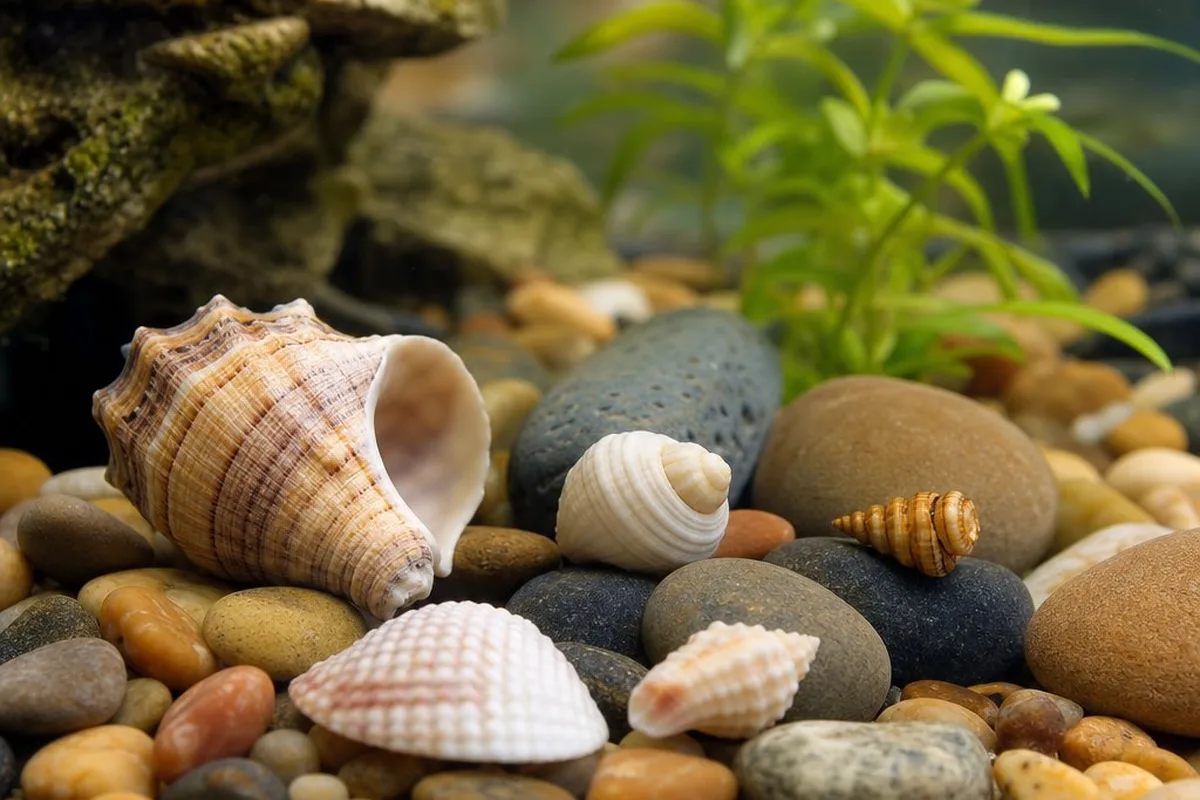
Seashells are an obvious decorating instinct for an aquatic tank — they look at home in the water, and if you've got a collection from beach trips, putting them to use seems natural. Whether that's actually a good idea depends on a few things that aren't obvious just by looking at a shell.
Short Answer
Seashells aren't an automatic no for a turtle tank, but they come with two main considerations: physical safety (sharp or jagged edges) and water chemistry (calcium carbonate slowly affecting pH and hardness). Smooth, clean, aquarium-appropriate shells used in moderation are a reasonably low-risk decor choice. Beach-collected shells add an extra layer of unknowns — residual salt, possible contamination, and edges that haven't been checked — that make them a "clean and inspect thoroughly first" item rather than a "rinse and drop in" one. If any of this sounds like more consideration than you want to give to decor, smooth rocks or aquarium-made decor sidestep the questions entirely.
The Sharp Edge Problem
Many seashells — especially broken or weathered ones — have edges that are thin, brittle, or genuinely sharp. A turtle's shell and skin are tougher than they might look, but repeated contact with a sharp edge during normal swimming, basking transitions, or the digging and bulldozing behavior common in turtle tanks can cause scrapes over time. This is less about a single dramatic injury and more about chronic low-level abrasion in a spot the turtle regularly contacts.
Before using any shell, run a hand along all edges and surfaces. Anything that feels sharp, has a thin broken edge, or has small fragments that could chip off is worth setting aside — either for a non-turtle use or for further smoothing/sanding if you want to use it anyway.
Water Chemistry: Calcium Carbonate and pH
Seashells are made primarily of calcium carbonate, the same basic material as crushed coral and aragonite sand — substrates that are specifically used in some aquariums because they raise pH and hardness, as covered in our guide on how crushed coral affects pH. Shells dissolve more slowly than crushed material (less surface area relative to volume), but the same underlying chemistry applies: in water that isn't already saturated with calcium and carbonate ions, calcium carbonate slowly dissolves and pushes pH and hardness upward.
For a turtle-only tank, this effect is usually mild and not a problem — turtles handle a fairly wide pH range without issue. It becomes more relevant if the tank also houses fish or plants suited to softer water, similar to the considerations in our guide on coral in freshwater tanks. A few shells as accent decor are unlikely to shift parameters meaningfully; a substrate that's significantly made up of crushed shell material is a different scale of effect entirely.
Beach-Collected vs. Aquarium-Sold Shells
There's a meaningful difference between a shell bought from an aquarium or craft store (typically already cleaned, and sometimes treated) and one picked up on a beach walk:
- Residual salt — a shell that's dried after sitting in or near seawater can carry salt residue, which matters when it's going into a freshwater tank
- Unknown organic material — shells can retain tissue from the organism that lived in them, which decomposes and adds to bioload if not fully cleaned out
- Environmental exposure — depending on where a shell was found, it may have been exposed to pollutants or bacteria in ways that aren't visible
This is the same general category of consideration as our guide on taking coral from the beach — natural, outdoor-collected materials generally need a more thorough cleaning process (a good scrub, thorough rinsing, and for smaller sturdy shells, sometimes a boil) before they're a reasonable bet for a tank, compared to something that's already been processed for aquarium use.
How Turtles Interact With Decor
It's worth factoring in turtle behavior, not just the shell itself. Turtles are active diggers and will often bulldoze through substrate and bump into decor as part of normal exploration — lightweight items get knocked around, shifted, or buried, and items with legs or fish in the tank can get displaced onto a turtle's basking area or filter intake. None of this is a reason to avoid shells specifically, but it's part of why secure placement (partially buried, weighted, or positioned away from high-traffic areas) tends to work better than simply resting shells loosely on top of the substrate. Our broader guide to turtle tank decorations goes into this in more detail across decor types generally.
A Practical Alternative
If the chemistry and edge questions feel like more than you want to manage, smooth river rocks, aquarium-safe resin or ceramic ornaments, and driftwood sidestep most of these concerns — they don't meaningfully affect water chemistry and don't carry the same sharp-edge or contamination questions as natural shells. Seashells aren't a bad choice if you're willing to inspect and prepare them properly, but they're not the lowest-effort option either.
Quick Reference
- Seashells aren't automatically unsafe, but check for sharp or brittle edges before adding any
- Calcium carbonate in shells can slowly raise pH and hardness — usually mild for a turtle-only tank
- Beach-collected shells need thorough cleaning to address residual salt and possible contamination
- Aquarium-sold decorative shells are generally lower-risk than untreated beach finds
- Secure shell placement to account for turtle digging and bulldozing behavior
- Smooth rocks, resin/ceramic decor, or driftwood avoid both the edge and chemistry questions entirely