Argentine Pearl Fish: The Annual Killifish With Dormant Eggs

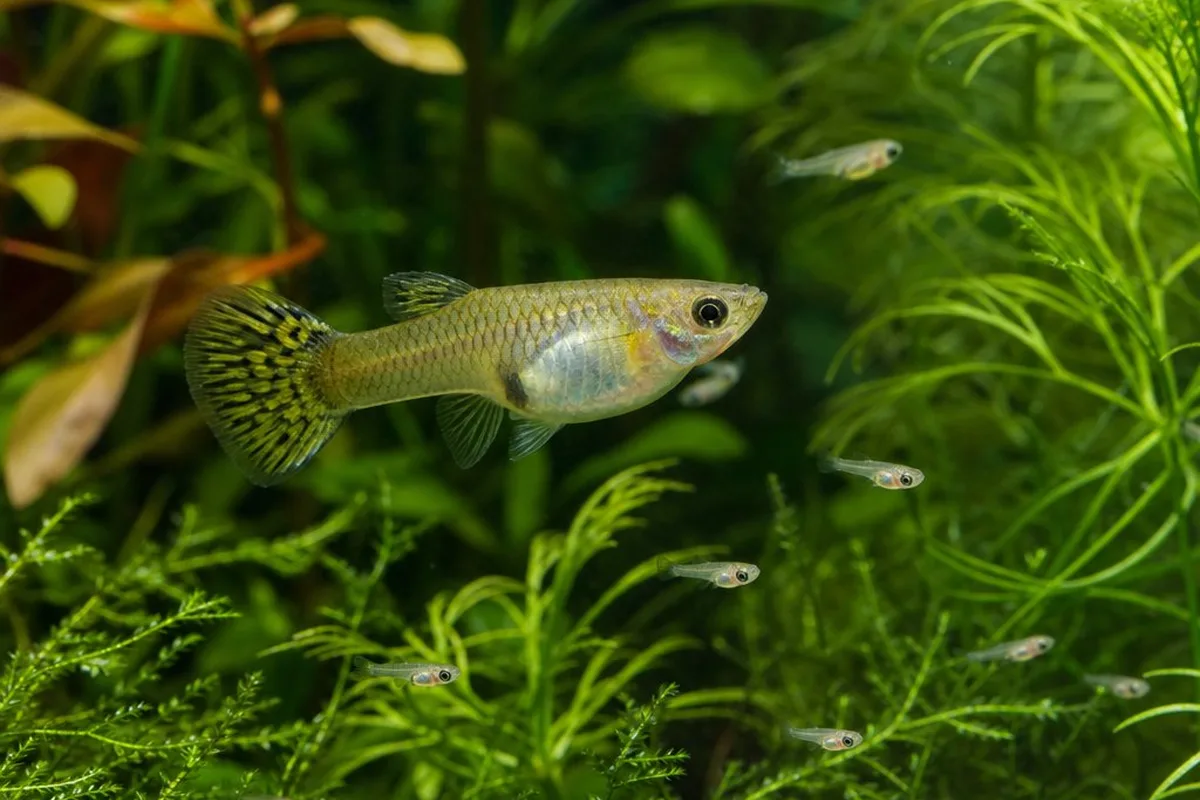
A small, vividly blue killifish with pearl-like spots swimming over a dark peat substrate

Quick Facts

Common Name
Argentine Pearl Fish
Classification
An annual killifish (genus Austrolebias)
Native Range
Temporary freshwater pools in Argentina and nearby parts of South America
Adult Size
Small — typically 2-3 inches
Lifespan
Short, often around a year — a direct consequence of its temporary-pool habitat
Breeding Style
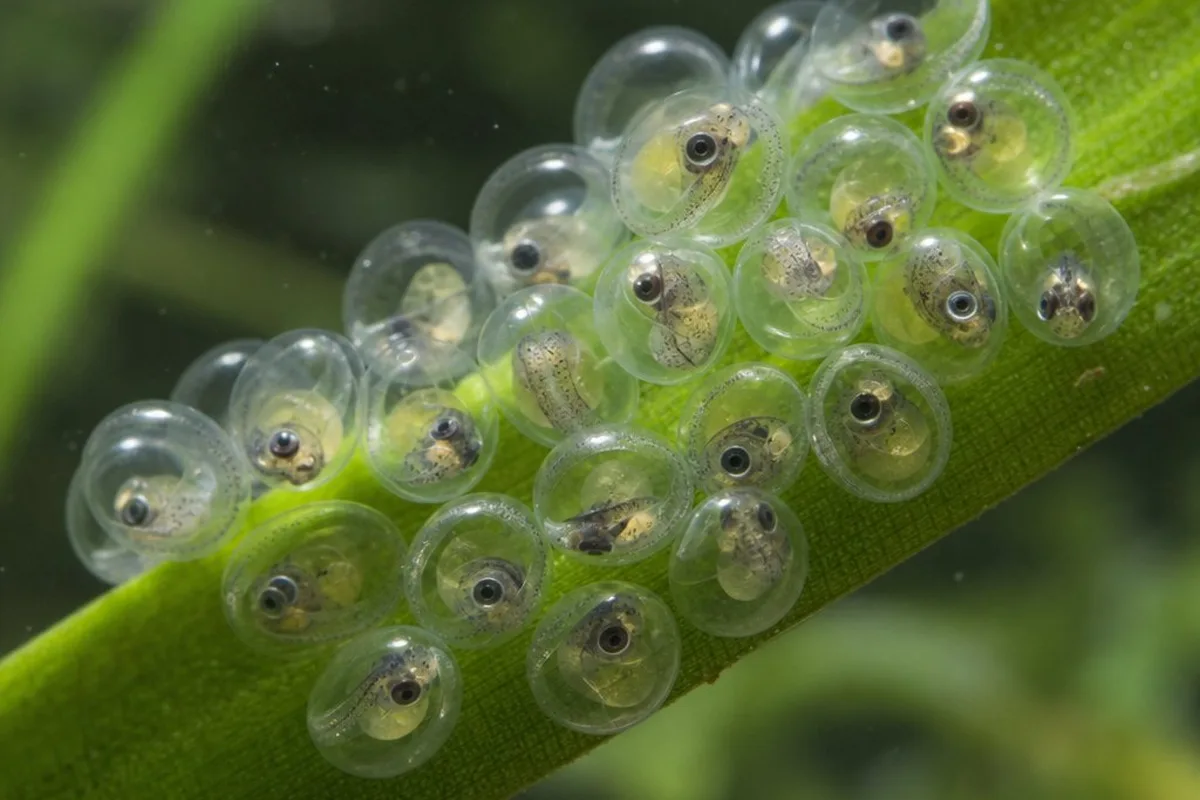
Substrate (peat) spawner; eggs can enter diapause and survive weeks to months out of water
Coloration
Males often vivid blue/turquoise with pearl-like spotting; females considerably plainer
Tank Setup
A peat-based substrate or peat moss layer is essential for natural spawning behavior

Most of the breeding biology covered on this site involves eggs that hatch within days, or fish that skip the egg stage entirely — which makes the Argentine pearl fish a genuinely different case, with a breeding strategy built around a habitat that periodically vanishes.

Direct Answer: An Annual Killifish Built Around a Disappearing Habitat

The Argentine pearl fish is a small (2-3 inch) annual killifish from temporary pools in Argentina that dry up for part of the year. Adult fish have a short lifespan, often around a year, but the population survives the dry period as eggs buried in damp substrate, which can enter diapause — a dormant state pausing development for weeks to months — before hatching when the pool refills. In an aquarium, this translates to a peat-based substrate for spawning and egg collection, and a breeding process built around collecting, storing, and re-wetting eggs rather than letting them hatch passively in the tank.

Why "Annual" Doesn't Mean "Fragile"

Calling this fish "annual" might sound like a downside, but it's better understood as a adaptation to a specific habitat: temporary pools that dry up completely on a seasonal basis. Rather than the species being wiped out each time a pool dries, the eggs carry the population through the dry period, buried in substrate that retains enough moisture to keep them viable. When the pool refills, the eggs hatch, and a new generation of fast-growing, fast-maturing fish lives out its roughly year-long cycle before the process repeats.

Diapause: The Key Adaptation

Diapause is what makes this whole cycle work — eggs can pause their development for an extended period (weeks to months) rather than developing continuously to hatching. This is a major exception to the hatching timelines covered in our guide to fish egg hatching times, where most species hatch within days regardless of conditions.

For aquarists, diapause has a genuinely useful practical side: eggs can be collected and kept in slightly damp peat for extended storage — far beyond what would be possible for eggs of species with conventional rapid development — and then re-wetted to trigger hatching on a schedule the keeper controls to some degree.

Tank Setup: Peat Is the Key Ingredient

Argentine pearl fish don't need a large tank given their small size, but a few things matter:

  • Peat-based substrate or peat moss layer — where adults deposit eggs, and the medium used for egg storage during diapause
  • Stable water quality — important for any fish, but particularly relevant given how much of this species' care revolves around the breeding cycle
  • Setup planned around breeding — given the short adult lifespan, egg collection is often part of the routine rather than an optional extra

How This Compares to Other Breeding Strategies Covered on This Site

The contrast with other species is stark:

  • Corydoras and rainbowfish — eggs hatch within days under normal tank conditions
  • Livebearers — skip the egg stage entirely
  • Argentine pearl fish — eggs are adapted for extended dormancy, not quick turnover, reflecting a habitat that disappears on a predictable cycle

For anyone interested in killifish specifically, learning to collect, store, and re-wet eggs is a core skill — a genuinely different hobby skill set from the more passive approaches that work for most other egg-laying aquarium fish.

Quick Reference

  • Argentine pearl fish is a small (2-3in) annual killifish from temporary pools in Argentina
  • Adult lifespan is short, often around a year, tied to the pool's dry/wet cycle
  • Eggs can enter diapause, pausing development for weeks to months
  • A peat-based substrate is essential for spawning and egg storage
  • Diapause allows extended egg storage/transport not possible for most other species
  • Males show vivid blue/turquoise coloration with pearl-like spots; females are plainer
  • Breeding revolves around collecting, storing, and re-wetting eggs — a distinct skill set
Frequently Asked Questions

What is an Argentine pearl fish, and why is it called an 'annual' fish?

The Argentine pearl fish is a small killifish (genus Austrolebias) native to temporary freshwater pools in Argentina — bodies of water that dry up completely for part of the year and refill during rainy periods. 'Annual' describes its life cycle: adult fish typically live around a year, timed to the cycle of their pool drying up. Rather than the population dying out when the pool dries, the eggs survive in the damp substrate through the dry period and hatch when the pool refills — meaning the 'annual' life cycle is a feature of the habitat, not a flaw in the fish.

How does diapause work, and why does it matter for keepers?

Diapause is a dormant state that Argentine pearl fish eggs can enter, pausing development for an extended period — typically weeks, sometimes months — before resuming and hatching once conditions are right. This is a dramatic exception to the hatching timelines covered in our guide to how long it takes for fish eggs to hatch, where most species hatch within days. For keepers, diapause has a practical upside: eggs can be collected and stored in slightly damp peat for an extended period — far longer than eggs of most other aquarium fish could survive out of water — before being 're-wetted' to trigger hatching. This makes it possible to ship or store eggs in ways that simply aren't an option for species with conventional rapid hatching.

What tank setup does an Argentine pearl fish need?

A peat-based substrate or a layer of peat moss is close to essential — this is where adults deposit eggs, mimicking the soft substrate of their natural temporary-pool habitat, and it's also the medium used to store eggs through diapause if breeding is a goal. Beyond that, Argentine pearl fish don't need an especially large tank given their small size (2-3 inches), but water quality and stability still matter, as with most fish. Given their short natural lifespan, tank setups for this species are often planned with breeding and egg collection as part of the routine, rather than as an optional extra.

How does breeding an Argentine pearl fish compare to other fish covered on this site?

It's about as different as breeding gets within the hobby. Corydoras and rainbowfish lay eggs that hatch within days under normal conditions, and our roundup of easy-to-breed freshwater fish covers livebearers that skip the egg stage entirely. The Argentine pearl fish's diapause-capable eggs are a different strategy altogether — adapted not for quick turnover, but for surviving a habitat that periodically disappears entirely. For keepers interested in killifish specifically, this egg-handling process (collection, peat storage, controlled re-wetting) is a core part of the hobby, distinct from the more passive 'let the parents guard the eggs' or 'eggs hatch in the tank' approaches that work for most other egg-laying fish.

Sources & Further Reading

  1. Austrolebias Annual Killifish — Practical Fishkeeping
  2. Killifish Breeding and Egg Diapause — American Killifish Association
Hektor Jorgo

About the Author: Hektor Jorgo

Co-Founder & Marine Biologist

Hektor is a co-founder of Sea Life Planet and has kept reef and freshwater aquariums for over 15 years. He holds a background in marine biology and focuses on species care accuracy, water chemistry, and tank husbandry.