When to Add Corals to a New Tank: Timing It Right

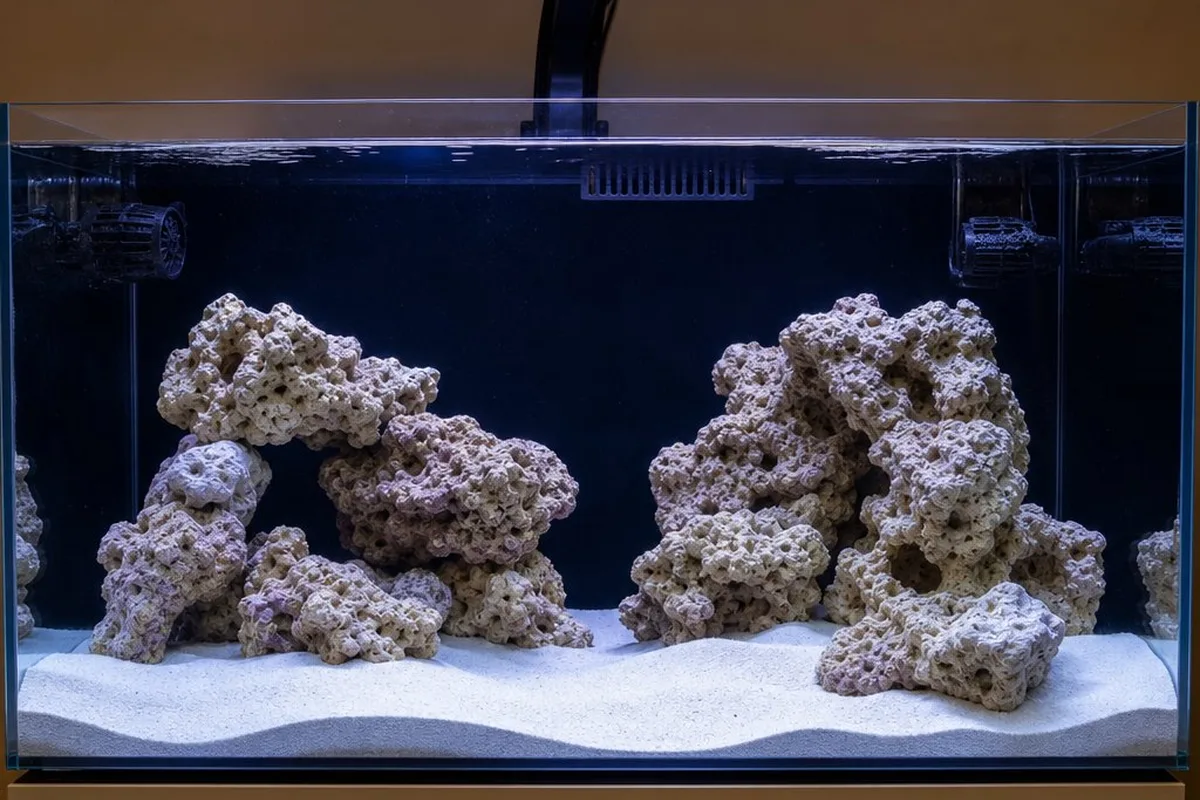
A newly set up reef aquarium with live rock and sand, before corals have been added

Quick Facts

The Core Requirement
A tank needs to complete its nitrogen cycle (establishing beneficial bacteria that process ammonia and nitrite) before most livestock, including corals
Why Timing Matters for Corals
Corals are sensitive to ammonia/nitrite spikes and unstable water chemistry, which are common in an uncycled or newly cycled tank
Typical Cycling Timeframe
Often discussed in terms of several weeks, though it varies by setup, live rock source, and bioload
Stability Beyond the Cycle
Even after cycling completes, stable alkalinity/calcium/salinity (the parameters covered in our reef water chemistry guides) take time to dial in
Hardier Corals First
Many keepers add more tolerant corals (some soft corals, hardier LPS) before more demanding ones, as a practical sequencing approach
Testing Before Adding
Testing water parameters before adding corals is more informative than going by time elapsed alone
New Frags Still Need Acclimation
Even in an established tank, new coral frags go through an acclimation period, as covered in our coral frags guide
Patience Reduces Troubleshooting Later
Corals added to an unstable tank are more likely to show the kinds of stress signs covered in our coral health guide

Of all the ways a new reef tank can get off to a rough start, adding corals too early is one of the most common — and one of the most avoidable, since the tank itself usually tells you it's not ready, if you know what to look for.

Short Answer

A new tank needs to complete its nitrogen cycle — establishing the bacteria that process ammonia and nitrite — before corals go in, and ideally needs additional time beyond that for water chemistry to stabilize (alkalinity, calcium, salinity, covered in our reef water chemistry guides). This is often discussed in terms of several weeks at minimum, but testing water parameters directly is more useful than going by elapsed time alone. Once a tank is ready, many keepers sequence stocking — adding hardier corals first — as a practical, lower-risk approach.

The Baseline: Completing the Nitrogen Cycle

The nitrogen cycle is the process by which beneficial bacteria establish themselves and begin converting ammonia (from waste, uneaten food, decaying matter) into nitrite, then nitrate. An uncycled tank can have ammonia and nitrite spikes that are harmful to most livestock, including corals. This is the non-negotiable baseline — corals shouldn't go into a tank that hasn't completed this process, regardless of how long the tank has been running in terms of calendar time.

Beyond the Cycle: Chemistry Stability

Completing the nitrogen cycle isn't the finish line — stable alkalinity, calcium, and salinity take additional time to settle into a routine, the same parameters covered in our reef water chemistry guides. This connects directly to the stability theme in our coral growth and bleaching guide — corals do better in stable conditions, and a brand-new tank's chemistry often hasn't settled yet even after the cycle is technically done.

Test Results Over the Calendar

"Several weeks" is a common rough timeframe, but it varies enough by setup that testing is more useful than counting days. The practical markers:

  • Ammonia and nitrite at zero (or consistently very low) — the cycling baseline
  • Stable alkalinity/calcium/salinity readings across multiple tests, not just one good reading

A tank that's been running the "right" number of weeks but still shows unstable readings isn't necessarily ready. A tank that stabilizes faster isn't necessarily too early. Test results matter more than the calendar.

Sequencing: Hardier Corals First

Once a tank is ready, not everything needs to go in at once. Many keepers add more tolerant corals first — some soft corals, hardier LPS, per the general framing in our LPS corals for beginners and soft coral/zoanthid guides — and observe how they do over the following weeks using the indicators from our coral stress guide. This serves as a practical check on the tank's actual stability before adding more demanding corals, and is a lower-risk approach than stocking everything at once.

A New Coral Looking Off Isn't Automatically a Tank Problem

A new coral frag goes through its own acclimation period regardless of tank readiness, as covered in our coral frags for beginners guide — a coral that's closed up or less vivid for a day or two after introduction is often just acclimating. What would point more toward a tank readiness issue is multiple new corals all showing problems, or a coral that declines over subsequent days alongside parameter swings. As with most coral troubleshooting, the trend over days and how many corals are affected matter more than how one coral looks in its first hours.

Quick Reference

  • A completed nitrogen cycle (ammonia/nitrite at zero) is the non-negotiable baseline before adding corals
  • Stable alkalinity, calcium, and salinity take additional time beyond the cycle itself
  • Test water parameters directly rather than relying on a fixed number of weeks
  • Multiple stable readings over time are more meaningful than a single good test
  • Consider adding hardier corals first as a practical stability check
  • New coral frags acclimate regardless of tank readiness — a day or two of "off" appearance is normal
  • Multiple new corals struggling together points more toward tank stability than acclimation

Frequently Asked Questions

What does a tank need before it's ready for corals?

The baseline requirement is completing the nitrogen cycle — the process by which beneficial bacteria establish themselves and begin processing ammonia (from waste, uneaten food, or decaying organic matter) into nitrite and then nitrate. An uncycled tank can have ammonia and nitrite spikes that are harmful to most livestock, corals included. Beyond the cycle itself, stable water chemistry — alkalinity, calcium, and salinity at consistent levels, the parameters covered in our reef water chemistry guides — takes additional time to establish even after the cycle completes. Testing water parameters directly is more informative than relying on a fixed timeframe, since cycling speed varies by live rock source, tank size, and other factors.

How long does it typically take before a new tank is ready for corals?

This varies enough by setup that a single number isn't very useful, but it's often discussed in terms of several weeks at minimum for the nitrogen cycle alone, with additional time beyond that for water chemistry to stabilize. The practical approach many keepers use is testing rather than waiting a fixed period: ammonia and nitrite at zero (or consistently very low) is the baseline cycling indicator, and stable alkalinity/calcium/salinity readings over multiple tests (rather than a single good reading) suggest the tank's chemistry has settled into a routine, similar to the stability emphasis in our coral growth and bleaching guide. A tank that's been running for the 'right' number of weeks but still shows unstable test results isn't necessarily ready, and a tank that stabilizes faster isn't necessarily too early — test results matter more than the calendar.

Should all corals go in at the same time once a tank is ready?

Not necessarily — many keepers use a sequencing approach, adding more tolerant corals first. This mirrors the general framing in our LPS corals for beginners guide and our soft coral and zoanthid guides — some corals are generally considered more tolerant of the kind of minor instability still common in a relatively new tank, while others are more sensitive. Adding hardier corals first and observing how they do over subsequent weeks — using the indicators from our coral stress guide — can serve as a practical check on the tank's stability before adding more demanding corals. This isn't a strict rule, but it's a lower-risk way to sequence stocking than adding everything at once, especially for someone newer to the hobby.

If I add a coral and it doesn't look great afterward, does that mean the tank wasn't ready?

Not automatically — a new coral frag goes through its own acclimation period regardless of how ready the tank is, as covered in our coral frags for beginners guide. A coral that's closed up or less colorful for the first day or two after introduction is often just acclimating to new lighting and flow, similar to the temporary changes covered in our coral stress guide. What would point more toward a tank readiness issue is if multiple newly added corals all show problems, or if a coral that initially looked fine declines over the following days alongside parameter swings. As with most coral troubleshooting, the trend over days, and whether an issue affects one coral or several, is more informative than how a single coral looks in its first hours in a new tank.

Sources & Further Reading

  1. New Tank Setup & Cycling — Reef2Reef
  2. Reef Tank Cycling Basics — Reef Builders
Hektor Jorgo

About the Author: Hektor Jorgo

Co-Founder & Marine Biologist

Hektor is a co-founder of Sea Life Planet and has kept reef and freshwater aquariums for over 15 years. He holds a background in marine biology and focuses on species care accuracy, water chemistry, and tank husbandry.